THE ADVENTURE COLLECTIVE® · Independent discovery and booking for outdoor travel

Join Tracie “The Bug Lady” on a 2–3 hour guided night walk around Drake Bay to spot bats, frogs, and nocturnal insects. Small groups, bat detectors, and scopes put the rainforest’s night life in focus.
Join Tracie “The Bug Lady” on a 2–3 hour guided night walk around Drake Bay to spot bats, frogs, and nocturnal insects. Small groups, bat detectors, and scopes put the rainforest’s night life in focus.
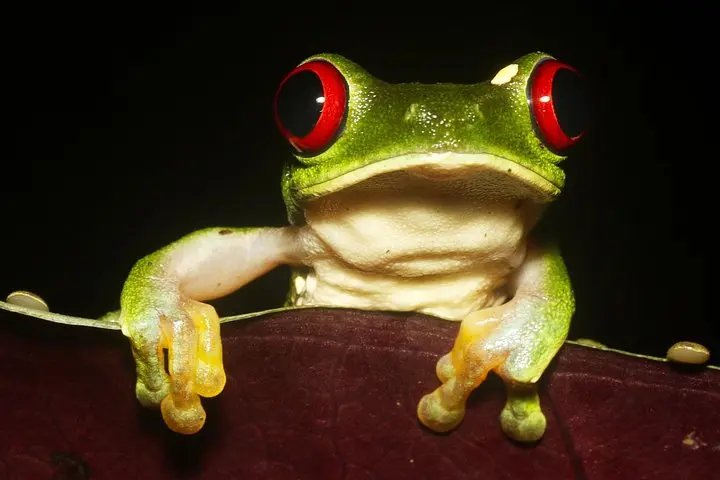
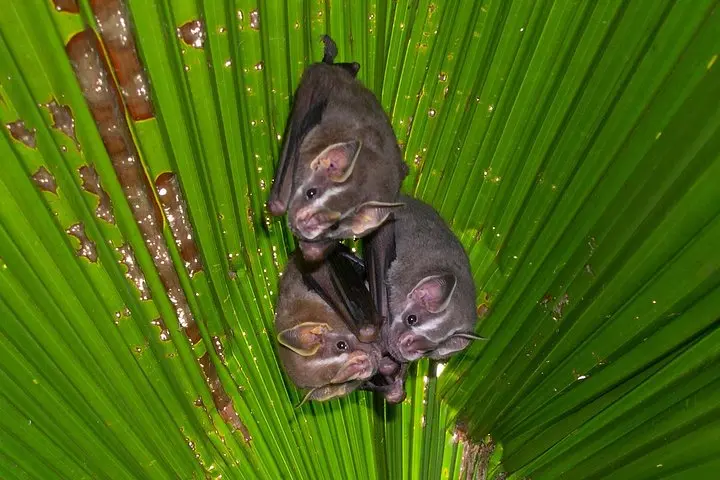
Rain-softened soil, the hush of the rainforest and a beam of light cutting through leaf litter set the scene for Tracie “The Bug Lady” and her nocturnal walk in Drake Bay. The guide’s voice threads natural history with quick humor as the group pauses to watch a bat make tight, darting arcs or to peer through a Swarovski scope at an emerald-eyed tree frog. The trail moves deliberately—slow steps, keen eyes—and the forest responds: insects hum, frogs call, and the canopy seems to lean in.
Verified experiences and guided adventures in the surrounding area.
Operated by The Night Tour with Tracie The Bug Lady · Drake Bay, Puntarenas
Rain-softened soil, the hush of the rainforest and a beam of light cutting through leaf litter set the scene for Tracie “The Bug Lady” and her nocturnal walk in Drake Bay. The guide’s voice threads natural history with quick humor as the group pauses to watch a bat make tight, darting arcs or to peer through a Swarovski scope at an emerald-eyed tree frog. The trail moves deliberately—slow steps, keen eyes—and the forest responds: insects hum, frogs call, and the canopy seems to lean in.
The Osa Peninsula’s geology is young and rugged—steep coastal ridges falling to mangrove flats—and that diversity helps concentrate nocturnal life. The tour sits within a region shaped by both indigenous history and small-scale fishing villages; local guides often weave cultural notes into natural observations, explaining how night animals figured in folk stories and subsistence life.
Expect close-up lessons in insect life cycles, echolocation demonstrations with bat detectors, and uses for plants you might otherwise pass by. Practical matters are straightforward: tours run 2–3 hours, groups are small (max six), and guides use scopes and Echo Meter detectors so everyone gets a clear view without trampling habitat.
Prepare for mud and mosquitoes, and time your visit for the drier months if you prefer easier footing. Wear sturdy closed-toe shoes, long pants, and bring a reliable headlamp with red-filter option. Listen closely—the forest talks at night; this tour teaches you how to translate it.
Minimum age is 8 years old; younger children are not permitted for safety and trail conditions.
The operator coordinates logistics by lodging—you must confirm where you’re staying so they can arrange pickup or a designated meeting spot in Drake Bay.
The trail includes uneven ground, roots and occasional steep sections; not recommended for travelers with spinal, knee, balance, or significant mobility problems.
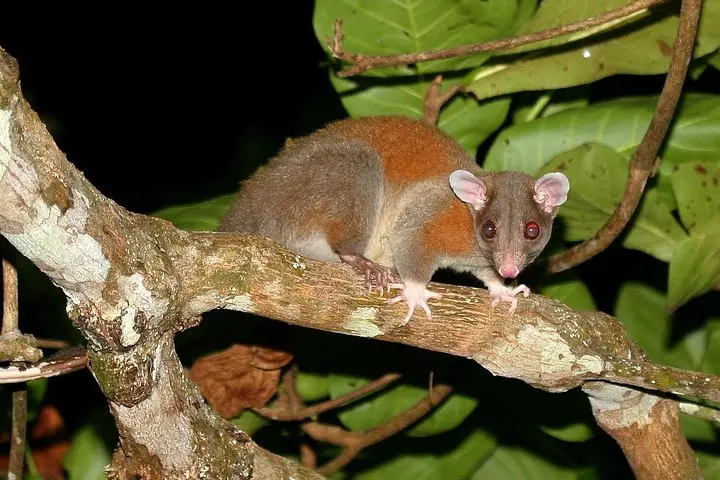
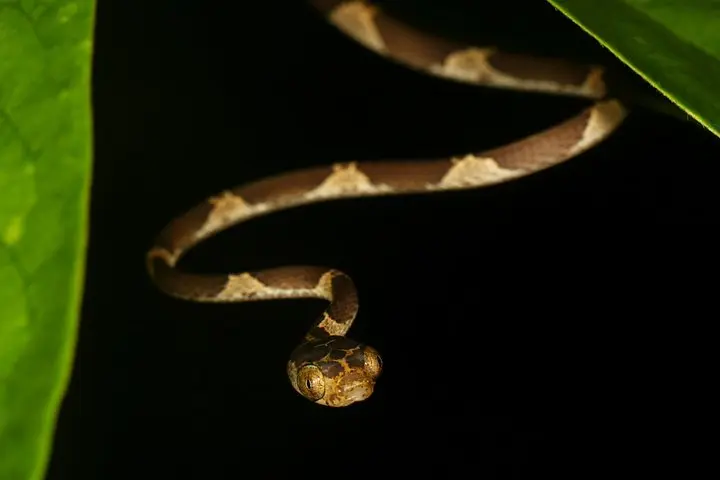
Expect nocturnal insects, tree frogs, and bats; guides also point out moths, beetles, and sometimes slow-moving mammals or owls depending on luck.
The Night Tour with Tracie The Bug Lady operates guided outdoor trips and adventures with an emphasis on safety, stewardship, and memorable experiences.
Rain-softened soil, the hush of the rainforest and a beam of light cutting through leaf litter set the scene for Tracie “The Bug Lady” and her nocturnal walk in Drake Bay. The guide’s voice threads natural history with quick humor as the group pauses to watch a bat make tight, darting arcs or to peer through a Swarovski scope at an emerald-eyed tree frog. The trail moves deliberately—slow steps, keen eyes—and the forest responds: insects hum, frogs call, and the canopy seems to lean in.
Rain-softened soil, the hush of the rainforest and a beam of light cutting through leaf litter set the scene for Tracie “The Bug Lady” and her nocturnal walk in Drake Bay. The guide’s voice threads natural history with quick humor as the group pauses to watch a bat make tight, darting arcs or to peer through a Swarovski scope at an emerald-eyed tree frog. The trail moves deliberately—slow steps, keen eyes—and the forest responds: insects hum, frogs call, and the canopy seems to lean in.
The Osa Peninsula’s geology is young and rugged—steep coastal ridges falling to mangrove flats—and that diversity helps concentrate nocturnal life. The tour sits within a region shaped by both indigenous history and small-scale fishing villages; local guides often weave cultural notes into natural observations, explaining how night animals figured in folk stories and subsistence life.
Expect close-up lessons in insect life cycles, echolocation demonstrations with bat detectors, and uses for plants you might otherwise pass by. Practical matters are straightforward: tours run 2–3 hours, groups are small (max six), and guides use scopes and Echo Meter detectors so everyone gets a clear view without trampling habitat.
Prepare for mud and mosquitoes, and time your visit for the drier months if you prefer easier footing. Wear sturdy closed-toe shoes, long pants, and bring a reliable headlamp with red-filter option. Listen closely—the forest talks at night; this tour teaches you how to translate it.