THE ADVENTURE COLLECTIVE® · Independent discovery and booking for outdoor travel

A pre-dawn trek to Mount Ijen offers one of nature’s rarest shows: blue fire where sulfur gases ignite at the crater. This guide outlines what to expect, the geology and local context, plus practical tips to prepare for the steep, smoky ascent.
A pre-dawn trek to Mount Ijen offers one of nature’s rarest shows: blue fire where sulfur gases ignite at the crater. This guide outlines what to expect, the geology and local context, plus practical tips to prepare for the steep, smoky ascent.
Headlamp beam cuts through humid night as you climb the switchbacks toward Ijen’s crater rim, the air sharp with sulfur and the distant rumble of a living mountain. Below, a boiling acid lake holds a surreal turquoise glow; at the crater’s lip the famous blue fire flickers like a stubborn pulse that defies daylight.
Verified experiences and guided adventures in the surrounding area.
Operated by Java Adventure Trail · Banyuwangi, East Java
Headlamp beam cuts through humid night as you climb the switchbacks toward Ijen’s crater rim, the air sharp with sulfur and the distant rumble of a living mountain. Below, a boiling acid lake holds a surreal turquoise glow; at the crater’s lip the famous blue fire flickers like a stubborn pulse that defies daylight.
Formed by sulfuric gases igniting where volcanic vents meet oxygen, Ijen’s blue flame is one of two such phenomena on Earth. The caldera is a relatively young, collapsed basin shaped by explosive eruptions; for generations local miners have extracted sulfur on foot, leaving narrow trails and simple camps that punctuate the mountain’s human story.
Expect 1–2 hours of steep, often uneven hiking from Paltuding: loose gravel, concrete steps and exposed roots demand steady footing. The guided schedule begins around midnight in Bali, a ferry crossing to Banyuwangi and a drive to the trailhead so you arrive before pre-dawn. Many visitors view the phenomenon from the rim; descending into the crater to see the blue fire up close is possible but more exposed and smoky.
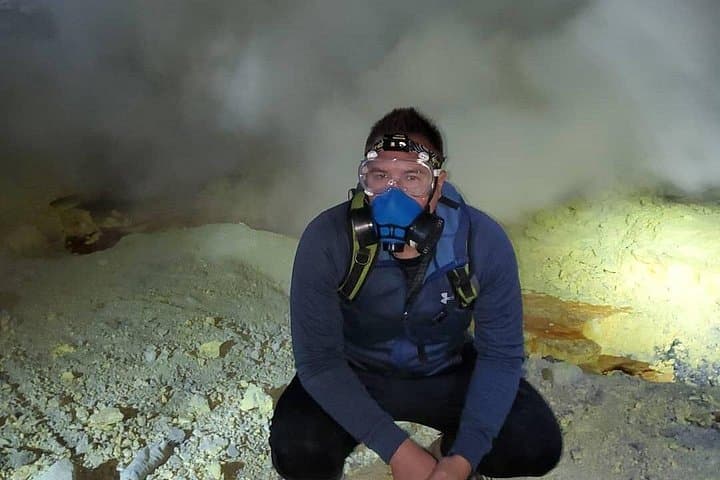
Practical guidance: bring a dependable headlamp, a respirator or use the provided gas mask, and sturdy boots with good traction. Dress in layers for a cold, windy rim and carry water and snacks. Move deliberately on descents, respect mining operations and marked routes, and avoid the crater floor if you have respiratory or heart conditions. Bring patience.
Blue fire is most visible in the pre-dawn hours when sulfur gases ignite in low-oxygen conditions; guides aim to reach the crater before sunrise.
Descending into the crater is more exposed and smoky; visitors with respiratory, heart, or mobility issues should remain on the rim.
From Paltuding the trek typically takes 1–2 hours each way, with steep, uneven sections—moderate fitness is recommended.
Entrance fees are usually included by tour operators; independent visitors should expect to pay local park or access fees and follow ranger instructions.
Java Adventure Trail operates guided outdoor trips and adventures with an emphasis on safety, stewardship, and memorable experiences.
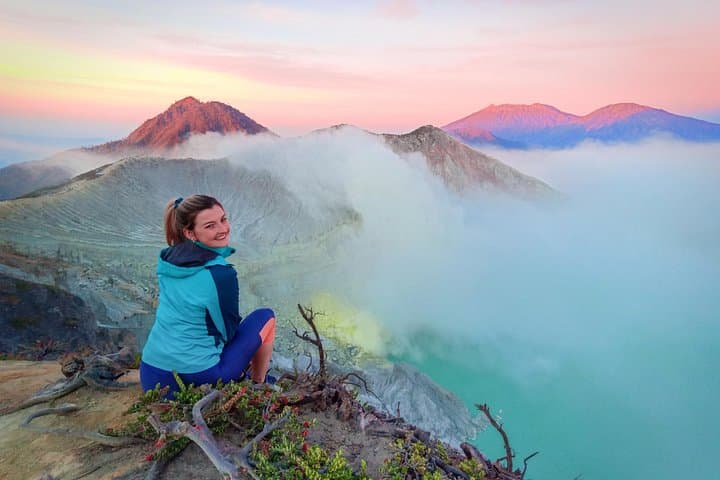
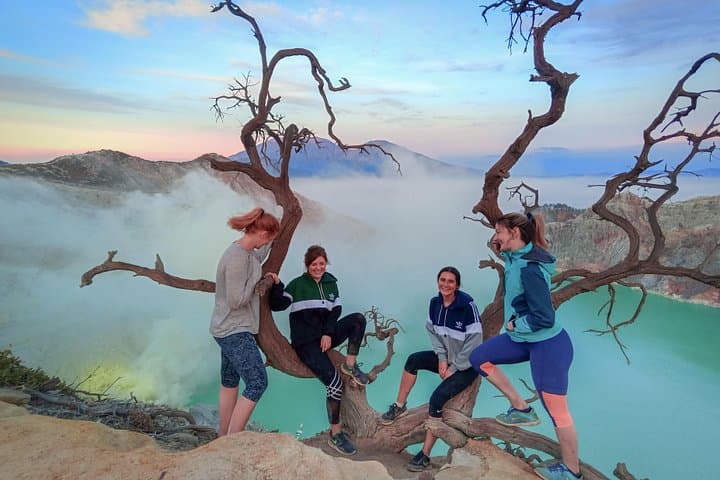
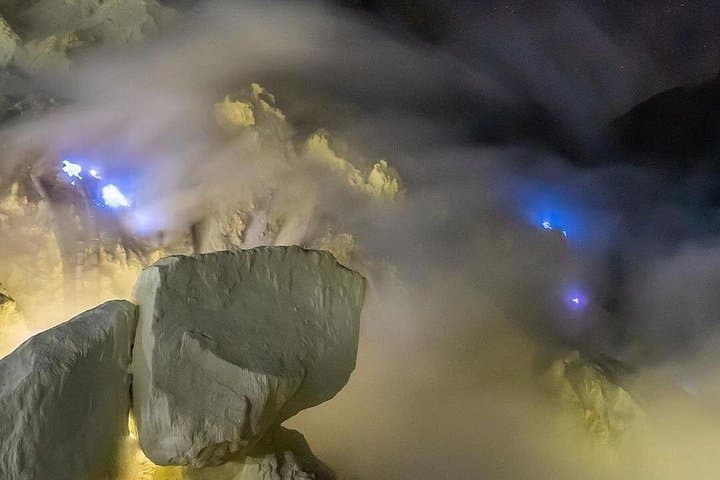
Headlamp beam cuts through humid night as you climb the switchbacks toward Ijen’s crater rim, the air sharp with sulfur and the distant rumble of a living mountain. Below, a boiling acid lake holds a surreal turquoise glow; at the crater’s lip the famous blue fire flickers like a stubborn pulse that defies daylight.
Headlamp beam cuts through humid night as you climb the switchbacks toward Ijen’s crater rim, the air sharp with sulfur and the distant rumble of a living mountain. Below, a boiling acid lake holds a surreal turquoise glow; at the crater’s lip the famous blue fire flickers like a stubborn pulse that defies daylight.
Formed by sulfuric gases igniting where volcanic vents meet oxygen, Ijen’s blue flame is one of two such phenomena on Earth. The caldera is a relatively young, collapsed basin shaped by explosive eruptions; for generations local miners have extracted sulfur on foot, leaving narrow trails and simple camps that punctuate the mountain’s human story.
Expect 1–2 hours of steep, often uneven hiking from Paltuding: loose gravel, concrete steps and exposed roots demand steady footing. The guided schedule begins around midnight in Bali, a ferry crossing to Banyuwangi and a drive to the trailhead so you arrive before pre-dawn. Many visitors view the phenomenon from the rim; descending into the crater to see the blue fire up close is possible but more exposed and smoky.
Practical guidance: bring a dependable headlamp, a respirator or use the provided gas mask, and sturdy boots with good traction. Dress in layers for a cold, windy rim and carry water and snacks. Move deliberately on descents, respect mining operations and marked routes, and avoid the crater floor if you have respiratory or heart conditions. Bring patience.