THE ADVENTURE COLLECTIVE® · Independent discovery and booking for outdoor travel

Walk with a biologist along a low forest trail to the beach and join active sea turtle monitoring in Bahías de Huatulco National Park. Expect a 3 km night hike, no facilities, and hands-on conservation under expert guidance.
Walk with a biologist along a low forest trail to the beach and join active sea turtle monitoring in Bahías de Huatulco National Park. Expect a 3 km night hike, no facilities, and hands-on conservation under expert guidance.
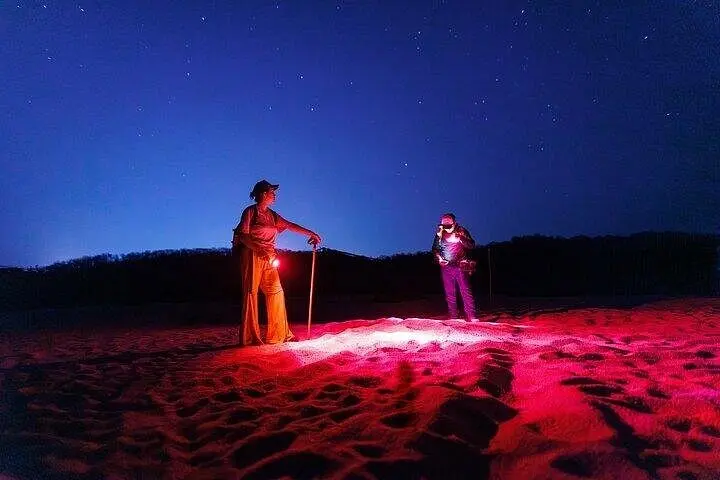
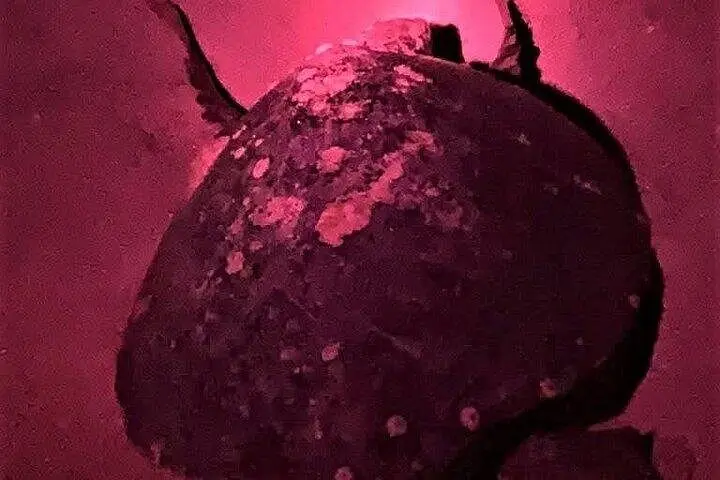
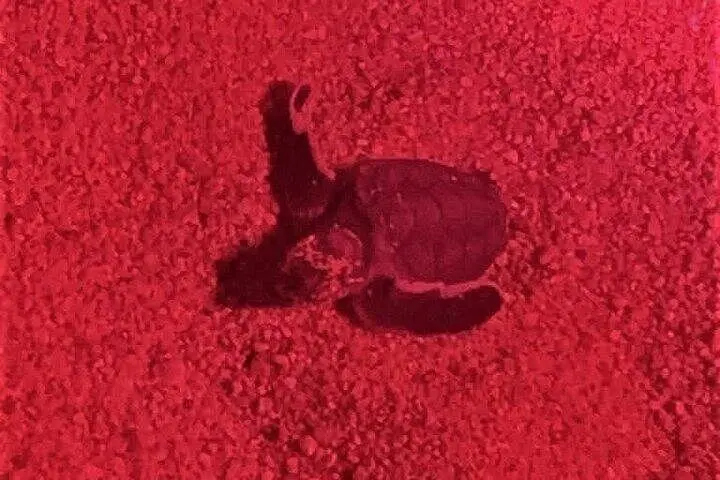
The path opens into warm, humid darkness as your group steps off an unlit trail through low deciduous forest toward the Pacific. A biologist’s flashlight slices the black; distant surf marks the endpoint. Crickets and frogs stitch the night together while guides point out fresh tracks and tiny flipper prints in the sand, then you crouch quietly to watch for nesting activity under slow, careful instruction.
Verified experiences and guided adventures in the surrounding area.
Operated by Huitzil Tours And Travel · Santa Maria Huatulco, Oaxaca
The path opens into warm, humid darkness as your group steps off an unlit trail through low deciduous forest toward the Pacific. A biologist’s flashlight slices the black; distant surf marks the endpoint. Crickets and frogs stitch the night together while guides point out fresh tracks and tiny flipper prints in the sand, then you crouch quietly to watch for nesting activity under slow, careful instruction.
This stretch of Oaxaca coast is part of Bahías de Huatulco National Park, a protected mosaic of rocky headlands, sandy beaches and seasonal estuaries created to conserve marine and terrestrial life. The shoreline here is shaped by Pacific swells and volcanic soils, producing dark, compact sand that holds turtle tracks clearly. Local fishing villages and conservation groups have worked in recent decades to monitor nests and reduce threats from lights and debris.
Practical details matter: the standard outing covers roughly 3 km of mixed forest trail and beach walking at night and lasts about four hours. There are no facilities on-site; expect soft sand, exposed roots and limited cellphone service. Wear closed-toe shoes, carry a headlamp with a red filter, bring water and insect repellent, and follow all guide instructions—no flash photography and keep voices low to avoid disturbing nesting turtles. The experience is equal parts natural history lesson and hands-on conservation: you’ll learn nest-marking, track identification and basic data recording.
Timing your visit during the nesting season increases chances of encounters, but every trip supports ongoing research and local stewardship of Huatulco’s fragile coastal ecosystem.
Nesting peaks in the warmer months—typically late summer into fall for Olive Ridley turtles—though timing varies year to year; your guide will advise seasonal likelihood.
No—guides prohibit flash photography and bright screens to avoid disturbing nesting turtles; follow instructions for safe observation distances.
Families can participate if children are supervised and physically capable of a 3 km night walk; check age restrictions with the operator before booking.
Tours may be cancelled in bad weather for safety and to protect turtles; confirm cancellation policy and local forecasts before your trip.
Huitzil Tours And Travel operates guided outdoor trips and adventures with an emphasis on safety, stewardship, and memorable experiences.

The path opens into warm, humid darkness as your group steps off an unlit trail through low deciduous forest toward the Pacific. A biologist’s flashlight slices the black; distant surf marks the endpoint. Crickets and frogs stitch the night together while guides point out fresh tracks and tiny flipper prints in the sand, then you crouch quietly to watch for nesting activity under slow, careful instruction.
The path opens into warm, humid darkness as your group steps off an unlit trail through low deciduous forest toward the Pacific. A biologist’s flashlight slices the black; distant surf marks the endpoint. Crickets and frogs stitch the night together while guides point out fresh tracks and tiny flipper prints in the sand, then you crouch quietly to watch for nesting activity under slow, careful instruction.
This stretch of Oaxaca coast is part of Bahías de Huatulco National Park, a protected mosaic of rocky headlands, sandy beaches and seasonal estuaries created to conserve marine and terrestrial life. The shoreline here is shaped by Pacific swells and volcanic soils, producing dark, compact sand that holds turtle tracks clearly. Local fishing villages and conservation groups have worked in recent decades to monitor nests and reduce threats from lights and debris.
Practical details matter: the standard outing covers roughly 3 km of mixed forest trail and beach walking at night and lasts about four hours. There are no facilities on-site; expect soft sand, exposed roots and limited cellphone service. Wear closed-toe shoes, carry a headlamp with a red filter, bring water and insect repellent, and follow all guide instructions—no flash photography and keep voices low to avoid disturbing nesting turtles. The experience is equal parts natural history lesson and hands-on conservation: you’ll learn nest-marking, track identification and basic data recording.
Timing your visit during the nesting season increases chances of encounters, but every trip supports ongoing research and local stewardship of Huatulco’s fragile coastal ecosystem.