THE ADVENTURE COLLECTIVE® · Independent discovery and booking for outdoor travel

Join a guided nighttime beach patrol near Tamarindo to watch marine turtles return to nest. The tour blends close-up wildlife observation with conservation-led interpretation and tide-dependent timing.
Join a guided nighttime beach patrol near Tamarindo to watch marine turtles return to nest. The tour blends close-up wildlife observation with conservation-led interpretation and tide-dependent timing.
A low tide and a hush fall over the sand as the guide’s headlamp cuts through the night — this is the moment the beach seems to hold its breath. On a nocturnal turtle-watching tour near Tamarindo, visitors walk slowly along blackened shoreline where the surf and the moon negotiate each other, watching for the slow, deliberate emergence of marine turtles returning to lay eggs.
Verified experiences and guided adventures in the surrounding area.
Operated by Guanacaste Adventure & Travel · Tamarindo, Guanacaste Province
A low tide and a hush fall over the sand as the guide’s headlamp cuts through the night — this is the moment the beach seems to hold its breath. On a nocturnal turtle-watching tour near Tamarindo, visitors walk slowly along blackened shoreline where the surf and the moon negotiate each other, watching for the slow, deliberate emergence of marine turtles returning to lay eggs.
Guanacaste’s Pacific beaches are geologically young: volcanic rock and sediment shifted by seasonal currents create long sandy beaches preferred by Chelonia species. Local communities here have a mixed history of fishing, agriculture and growing ecotourism; conservation efforts since the 1980s focus on nesting protection and reducing bycatch.
A certified naturalist leads the group, clarifying species ID — olive ridleys, leatherbacks and occasional hawksbills — and explaining nesting cycles tied to tides and lunar phases. The experience blends wildlife observation with cultural context: nearby settlements often work with NGOs to monitor nests and run hatcheries.
Practical guidance: tours run at night and start times shift with the high tide, so expect a later pickup and bring layered, insect-resistant clothing. Walking is on sand for up to a few kilometers; the pace is deliberate and quiet to avoid disturbing animals. Flashlights are provided, but a red-filtered headlamp is helpful and respectful. Minimum group size rules may apply; book in advance during December–April peak season. Follow the guide’s instructions at all times — they balance a good sighting with the protection these animals need.
Peak nesting in this region runs from mid-December to the end of April, but turtles can be seen year-round depending on species and local beaches.
No — touching turtles or nests is prohibited to prevent stress and disease transmission; guides will manage distance and handling rules.
Tours last about 4–5 hours; activities occur at night because many marine turtles come ashore under cover of darkness to lay eggs.
Generally yes, but operators often require a minimum group size and may set age guidelines; quiet behavior and following the guide’s rules are essential.
Guanacaste Adventure & Travel operates guided outdoor trips and adventures with an emphasis on safety, stewardship, and memorable experiences.
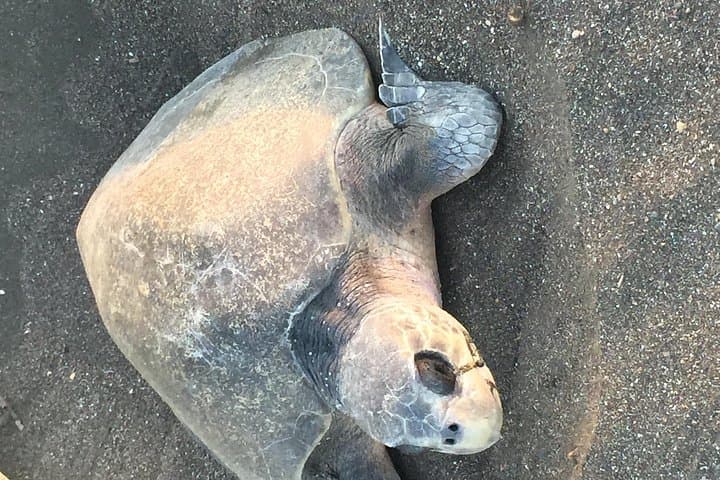


A low tide and a hush fall over the sand as the guide’s headlamp cuts through the night — this is the moment the beach seems to hold its breath. On a nocturnal turtle-watching tour near Tamarindo, visitors walk slowly along blackened shoreline where the surf and the moon negotiate each other, watching for the slow, deliberate emergence of marine turtles returning to lay eggs.
A low tide and a hush fall over the sand as the guide’s headlamp cuts through the night — this is the moment the beach seems to hold its breath. On a nocturnal turtle-watching tour near Tamarindo, visitors walk slowly along blackened shoreline where the surf and the moon negotiate each other, watching for the slow, deliberate emergence of marine turtles returning to lay eggs.
Guanacaste’s Pacific beaches are geologically young: volcanic rock and sediment shifted by seasonal currents create long sandy beaches preferred by Chelonia species. Local communities here have a mixed history of fishing, agriculture and growing ecotourism; conservation efforts since the 1980s focus on nesting protection and reducing bycatch.
A certified naturalist leads the group, clarifying species ID — olive ridleys, leatherbacks and occasional hawksbills — and explaining nesting cycles tied to tides and lunar phases. The experience blends wildlife observation with cultural context: nearby settlements often work with NGOs to monitor nests and run hatcheries.
Practical guidance: tours run at night and start times shift with the high tide, so expect a later pickup and bring layered, insect-resistant clothing. Walking is on sand for up to a few kilometers; the pace is deliberate and quiet to avoid disturbing animals. Flashlights are provided, but a red-filtered headlamp is helpful and respectful. Minimum group size rules may apply; book in advance during December–April peak season. Follow the guide’s instructions at all times — they balance a good sighting with the protection these animals need.