THE ADVENTURE COLLECTIVE® · Independent discovery and booking for outdoor travel

Head into Sinharaja after dark with a trained naturalist to find nocturnal frogs, insects and elusive mammals. This guided night walk blends focused wildlife spotting with practical, low-impact fieldcraft.
Head into Sinharaja after dark with a trained naturalist to find nocturnal frogs, insects and elusive mammals. This guided night walk blends focused wildlife spotting with practical, low-impact fieldcraft.
Humidity presses close as you step from the vehicle into the dark throat of Sinharaja; headlamps carve narrow cones through ferns and giant lianas while unseen birds and insects call from layered shadows.
Verified experiences and guided adventures in the surrounding area.
Operated by Explore Sinharaja Rain Forest Tour · Deniyaya, Southern Province
Humidity presses close as you step from the vehicle into the dark throat of Sinharaja; headlamps carve narrow cones through ferns and giant lianas while unseen birds and insects call from layered shadows.
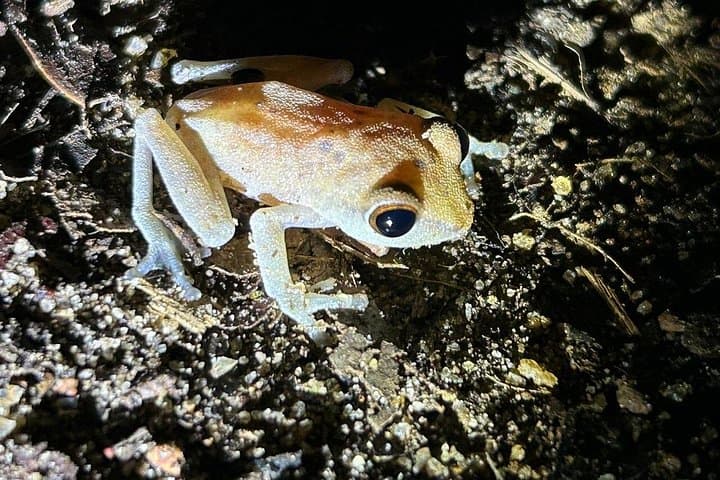
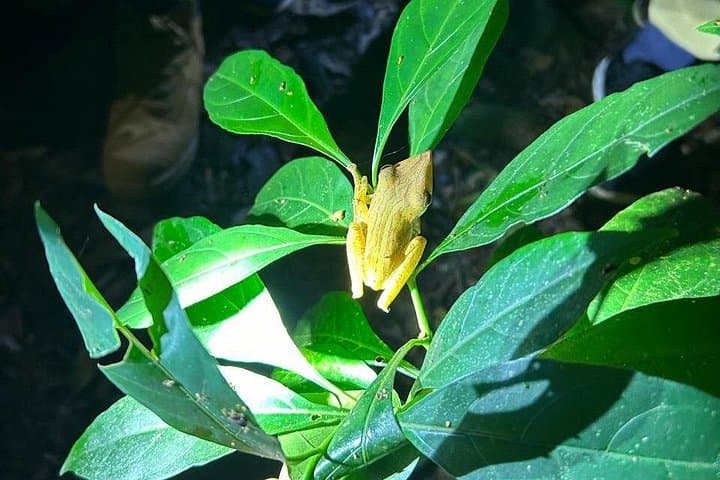
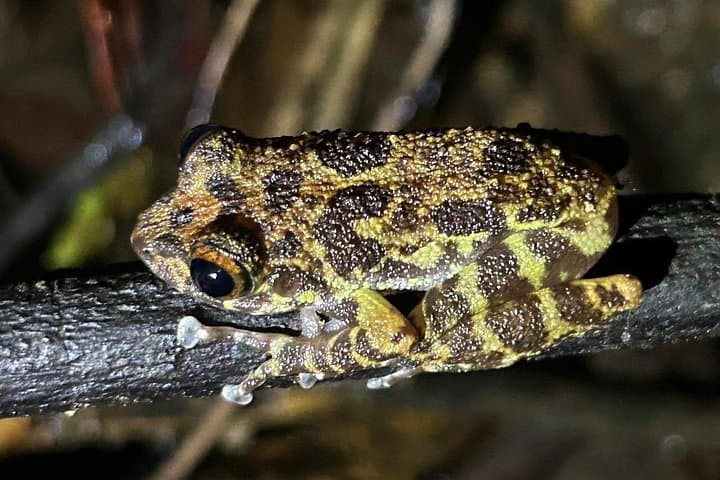
This is a purposeful, slow-moving night hike led by an English-speaking naturalist who points out cryptic frogs, tree-dwelling mammals and insects that only reveal themselves after dusk. Geologically the reserve sits on ancient Precambrian bedrock, its soils and steep gullies shaped by tropical rain and slow erosion, creating a dense canopy that traps heat and sound. Culturally, the forest has long been a source of medicinal plants for local villagers and is central to conservation efforts since its UNESCO designation in 1988.
Expect narrow, muddy trails with roots and occasional braided streams; leech socks are provided but leeches still demand attention. Wildlife dominates the tempo here: large trees seem to lean in to listen while frogs and crickets score the night. Practicalities: tours run 2–5 hours depending on group pace, require a moderate fitness level, and are best booked from nearby towns like Galle or Deniyaya. Wear ankle-supporting boots, bring a reliable headlamp with spare batteries, and move quietly—flash photography and loud voices disturb nocturnal species and reduce sightings.
The guide’s expertise is the trip’s value: they translate rustles into species and show how microhabitats host endemic life. For travelers who want a focused, low-impact encounter with Sri Lanka’s rainforest ecology, a guided night walk in Sinharaja delivers concentrated wildlife viewing and hands-on natural history in an intimate, shifting landscape.
Tours vary by operator and group pace but generally last between 2 and 5 hours, with about 2–3 hours of hiking at night.
Leeches are common in the understory after rain; guides supply leech socks and show removal techniques—proper clothing and gaiters reduce encounters.
Large mammals are possible but rare at night; nocturnal small mammals, frogs, geckos and insects are more commonly observed on a night walk.
Children with stamina and older adults in good mobility can participate, but the trail is uneven and not recommended for those with serious back or heart problems.
Explore Sinharaja Rain Forest Tour operates guided outdoor trips and adventures with an emphasis on safety, stewardship, and memorable experiences.

Humidity presses close as you step from the vehicle into the dark throat of Sinharaja; headlamps carve narrow cones through ferns and giant lianas while unseen birds and insects call from layered shadows.
Humidity presses close as you step from the vehicle into the dark throat of Sinharaja; headlamps carve narrow cones through ferns and giant lianas while unseen birds and insects call from layered shadows.
This is a purposeful, slow-moving night hike led by an English-speaking naturalist who points out cryptic frogs, tree-dwelling mammals and insects that only reveal themselves after dusk. Geologically the reserve sits on ancient Precambrian bedrock, its soils and steep gullies shaped by tropical rain and slow erosion, creating a dense canopy that traps heat and sound. Culturally, the forest has long been a source of medicinal plants for local villagers and is central to conservation efforts since its UNESCO designation in 1988.
Expect narrow, muddy trails with roots and occasional braided streams; leech socks are provided but leeches still demand attention. Wildlife dominates the tempo here: large trees seem to lean in to listen while frogs and crickets score the night. Practicalities: tours run 2–5 hours depending on group pace, require a moderate fitness level, and are best booked from nearby towns like Galle or Deniyaya. Wear ankle-supporting boots, bring a reliable headlamp with spare batteries, and move quietly—flash photography and loud voices disturb nocturnal species and reduce sightings.
The guide’s expertise is the trip’s value: they translate rustles into species and show how microhabitats host endemic life. For travelers who want a focused, low-impact encounter with Sri Lanka’s rainforest ecology, a guided night walk in Sinharaja delivers concentrated wildlife viewing and hands-on natural history in an intimate, shifting landscape.