THE ADVENTURE COLLECTIVE® · Independent discovery and booking for outdoor travel

Walk the Red Light District with a private local guide who explains the history, laws, and coffeeshop culture that shape Amsterdam’s most talked-about neighborhood. This 2–2.5 hour evening tour mixes architectural history, local etiquette, and a visit to a licensed coffeeshop.
Walk the Red Light District with a private local guide who explains the history, laws, and coffeeshop culture that shape Amsterdam’s most talked-about neighborhood. This 2–2.5 hour evening tour mixes architectural history, local etiquette, and a visit to a licensed coffeeshop.
The evening unfurls over narrow canals as neon pulls your pace toward the Red Light District. Cobblestones gleam from recent rain, bicycles hum past, and your guide steers you through lanes that change tone with each corner — from glowing windows to hushed courtyards.
Verified experiences and guided adventures in the surrounding area.
Operated by Friendly Local Guides · Amsterdam, North Holland
The evening unfurls over narrow canals as neon pulls your pace toward the Red Light District. Cobblestones gleam from recent rain, bicycles hum past, and your guide steers you through lanes that change tone with each corner — from glowing windows to hushed courtyards.
This part of Amsterdam dates back to the 14th century; its streets and the Oude Kerk bear layered stories of trade, religious reform, and the urban policies that shaped a tolerant civic culture. Geology is modest here — reclaimed peat and classic Dutch canal engineering hold the city together — but social history is rich: regulated prostitution, permissive drug policies, and the coffeeshop phenomenon reflect pragmatic Dutch approaches to harm reduction more than spectacle.
Expect a blend of cultural context and local etiquette rather than voyeurism: your guide will explain laws, dos and don’ts, and coffeeshop etiquette before you visit a licensed establishment. You’ll pass erotic museums, heritage buildings, and the Rembrandt-era architecture that frames the district.
Practical notes: the tour covers about 1.5–2 miles on foot over 2–2.5 hours on uneven cobbles; wear supportive shoes and carry ID for coffeeshop entry. Photography of workers is strictly prohibited — your guide will remind you. Go later in the evening for the neon atmosphere but earlier on weekends to avoid peak crowds. Bring a small card or cash for optional museum entry and remember public transport links nearby for a straightforward return.
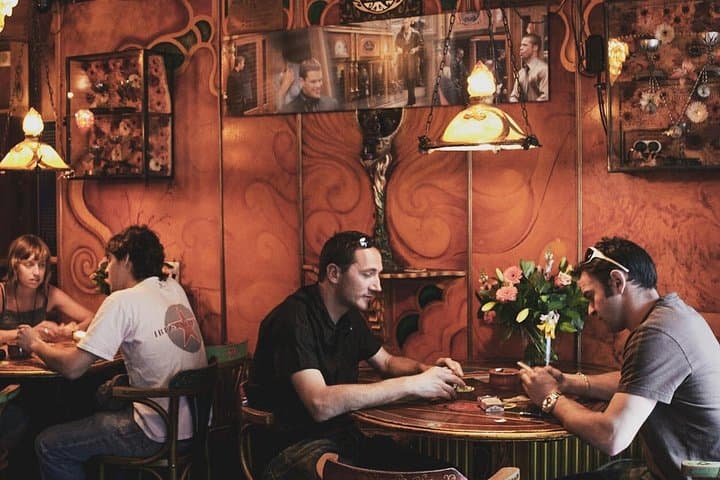
Licensed coffeeshops operate under municipal regulation allowing sale of small amounts of cannabis to adults; your guide will explain local rules and etiquette.
Photography of sex workers and their windows is forbidden; casual street photography is okay if it doesn’t invade privacy or break local guidelines.
Central Amsterdam is generally safe and well-patrolled, but normal urban caution applies—travel with your group, watch belongings, and follow your guide’s instructions.
The tour includes adult themes and a visit to a coffeeshop and sex museum (optional), so it’s best suited to adults and mature travelers.
Friendly Local Guides operates guided outdoor trips and adventures with an emphasis on safety, stewardship, and memorable experiences.


The evening unfurls over narrow canals as neon pulls your pace toward the Red Light District. Cobblestones gleam from recent rain, bicycles hum past, and your guide steers you through lanes that change tone with each corner — from glowing windows to hushed courtyards.
The evening unfurls over narrow canals as neon pulls your pace toward the Red Light District. Cobblestones gleam from recent rain, bicycles hum past, and your guide steers you through lanes that change tone with each corner — from glowing windows to hushed courtyards.
This part of Amsterdam dates back to the 14th century; its streets and the Oude Kerk bear layered stories of trade, religious reform, and the urban policies that shaped a tolerant civic culture. Geology is modest here — reclaimed peat and classic Dutch canal engineering hold the city together — but social history is rich: regulated prostitution, permissive drug policies, and the coffeeshop phenomenon reflect pragmatic Dutch approaches to harm reduction more than spectacle.
Expect a blend of cultural context and local etiquette rather than voyeurism: your guide will explain laws, dos and don’ts, and coffeeshop etiquette before you visit a licensed establishment. You’ll pass erotic museums, heritage buildings, and the Rembrandt-era architecture that frames the district.
Practical notes: the tour covers about 1.5–2 miles on foot over 2–2.5 hours on uneven cobbles; wear supportive shoes and carry ID for coffeeshop entry. Photography of workers is strictly prohibited — your guide will remind you. Go later in the evening for the neon atmosphere but earlier on weekends to avoid peak crowds. Bring a small card or cash for optional museum entry and remember public transport links nearby for a straightforward return.