THE ADVENTURE COLLECTIVE® · Independent discovery and booking for outdoor travel

Join a guided night watch on Tortuguero’s beaches to observe sea-turtle nesting during July–October. Small groups, strict low-light rules and a focus on conservation make this an intimate, wildlife-first experience.
Join a guided night watch on Tortuguero’s beaches to observe sea-turtle nesting during July–October. Small groups, strict low-light rules and a focus on conservation make this an intimate, wildlife-first experience.
The beach is a black ribbon under a low Caribbean sky; waves stitch themselves into the sand and a pale, heavy bulk slides ashore. On a guided night watch in Tortuguero, that bulk could be a female sea turtle working through the slow, ancient choreography of laying and covering eggs.
Verified experiences and guided adventures in the surrounding area.
Operated by Leonardo Tours · Tortuguero, Limón
The beach is a black ribbon under a low Caribbean sky; waves stitch themselves into the sand and a pale, heavy bulk slides ashore. On a guided night watch in Tortuguero, that bulk could be a female sea turtle working through the slow, ancient choreography of laying and covering eggs.
Tortuguero sits on Costa Rica’s northeastern coast and has been central to sea-turtle conservation since protected areas were expanded in the 1970s. The barrier beaches here are mostly sand and coastal scrub, shaped by tides and currents that favor green and leatherback turtles during the nesting season (July 1–October 31). Local guides focus on low-impact observation: no flash, dark clothing, quiet approach and an emphasis on the animals’ comfort.
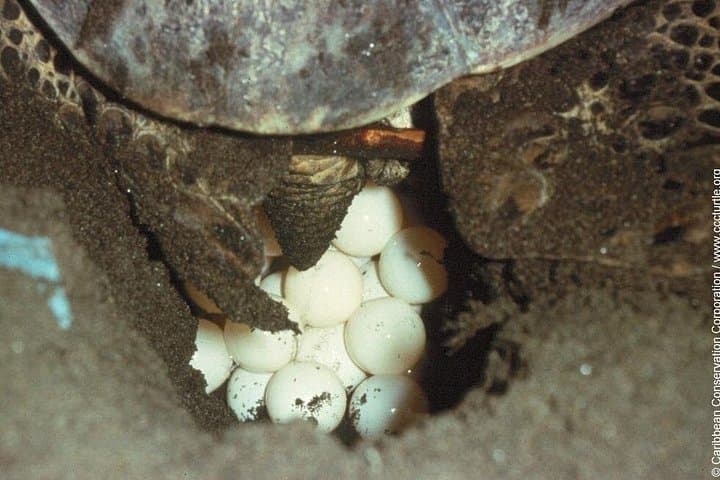
Expect a short, deliberate walk on beach sand under moonlight. The guide may explain each step the turtle takes—digging, laying, compacting, and camouflaging the nest—though sightings can’t be guaranteed; turtles come and go on their own schedule.
Practical details: tours run 1–2 hours, often in small groups (up to ~10), and include a flashlight (bring one with a red filter if possible). Wear dark, non-reflective clothing, insect repellent and sturdy shoes for sand and wet patches. Leave cameras, flashes and bright clothing behind; keep distance and follow the guide. Night weather is humid and warm; bring a light rain layer in the wet season. The experience is slow and intimate—plan for stillness and patience, reward enough for those who value wildlife encountered on its own terms.
No; nesting is a natural process and sightings cannot be guaranteed. Guides maximize chances by timing walks for likely windows—arriving about an hour after a turtle’s landing is ideal.
Cameras and camcorders are generally prohibited and flashes are never allowed; follow the guide’s instructions—some tours forbid any photography to protect the animals.
No. Touching turtles or eggs is harmful and illegal in many protected areas; observation is from a respectful distance under guide direction.
Wear dark, non-reflective clothing, closed-toe shoes suitable for sand, and bring insect repellent and a light rain layer in the wet season.
Leonardo Tours operates guided outdoor trips and adventures with an emphasis on safety, stewardship, and memorable experiences.
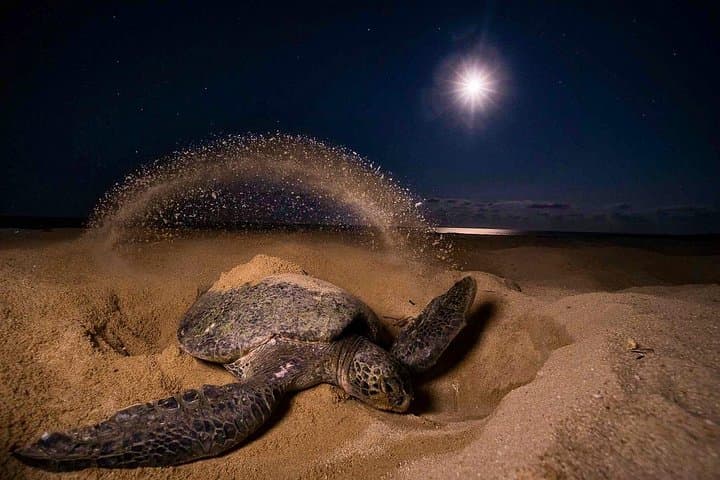
The beach is a black ribbon under a low Caribbean sky; waves stitch themselves into the sand and a pale, heavy bulk slides ashore. On a guided night watch in Tortuguero, that bulk could be a female sea turtle working through the slow, ancient choreography of laying and covering eggs.
The beach is a black ribbon under a low Caribbean sky; waves stitch themselves into the sand and a pale, heavy bulk slides ashore. On a guided night watch in Tortuguero, that bulk could be a female sea turtle working through the slow, ancient choreography of laying and covering eggs.
Tortuguero sits on Costa Rica’s northeastern coast and has been central to sea-turtle conservation since protected areas were expanded in the 1970s. The barrier beaches here are mostly sand and coastal scrub, shaped by tides and currents that favor green and leatherback turtles during the nesting season (July 1–October 31). Local guides focus on low-impact observation: no flash, dark clothing, quiet approach and an emphasis on the animals’ comfort.
Expect a short, deliberate walk on beach sand under moonlight. The guide may explain each step the turtle takes—digging, laying, compacting, and camouflaging the nest—though sightings can’t be guaranteed; turtles come and go on their own schedule.
Practical details: tours run 1–2 hours, often in small groups (up to ~10), and include a flashlight (bring one with a red filter if possible). Wear dark, non-reflective clothing, insect repellent and sturdy shoes for sand and wet patches. Leave cameras, flashes and bright clothing behind; keep distance and follow the guide. Night weather is humid and warm; bring a light rain layer in the wet season. The experience is slow and intimate—plan for stillness and patience, reward enough for those who value wildlife encountered on its own terms.