THE ADVENTURE COLLECTIVE® · Independent discovery and booking for outdoor travel

Head into the rainforest after dark for a guided night safari at Bonito Creek near Panama City. Expect close-up encounters with frogs, lizards, scorpions and a cascade-lit waterfall while an accredited biologist leads the walk.
Head into the rainforest after dark for a guided night safari at Bonito Creek near Panama City. Expect close-up encounters with frogs, lizards, scorpions and a cascade-lit waterfall while an accredited biologist leads the walk.
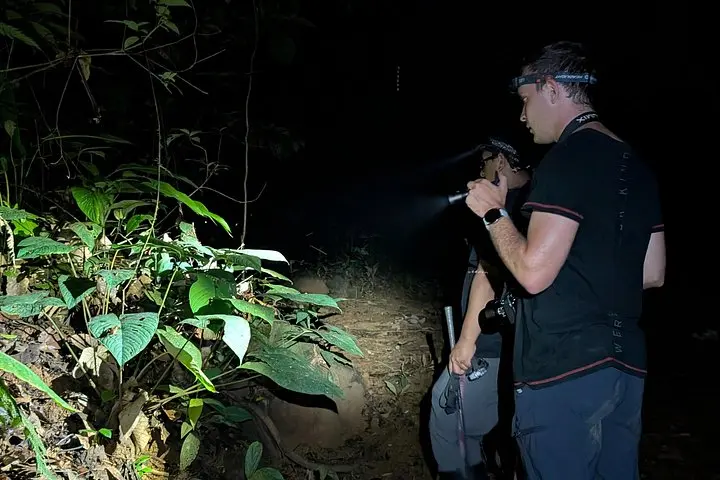
Rain-dark humidity presses low as the trailhead light fades and forest sounds step forward. Headlamps carve cones through wet leaves while a ribbon of water—the waterfall—throws silver into the night and the creek dares you closer. Around every root and rock, eyes reflect: frogs, anoles, whip spiders and the occasional bat wheel in the canopy.
Verified experiences and guided adventures in the surrounding area.
Operated by Panama All about · Panama City, Panamá Province
Rain-dark humidity presses low as the trailhead light fades and forest sounds step forward. Headlamps carve cones through wet leaves while a ribbon of water—the waterfall—throws silver into the night and the creek dares you closer. Around every root and rock, eyes reflect: frogs, anoles, whip spiders and the occasional bat wheel in the canopy.
This guided night safari explores Bonito Creek ecology just outside Panama City, where tropical lowland rainforest and streams have shaped a compact, species-rich pocket of biodiversity. The geology here is young sedimentary and igneous mixes, with fast-draining creekbeds and steep micro-terraces that form small falls. Culturally, the area has long been a source of local naturalists’ study and community knowledge about medicinal plants and amphibian conservation.
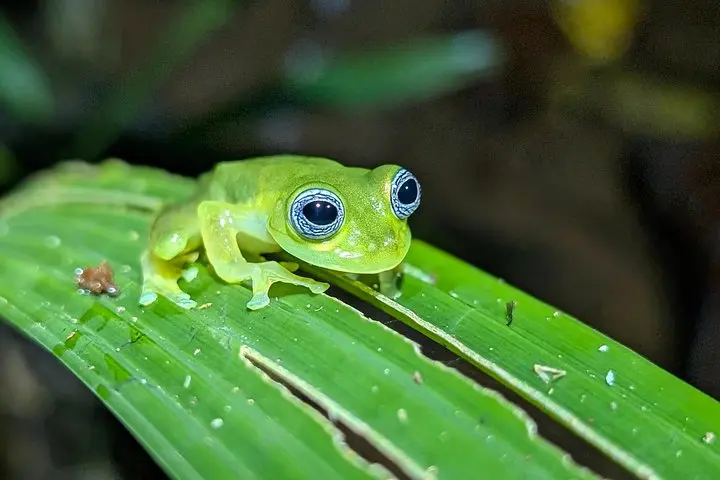
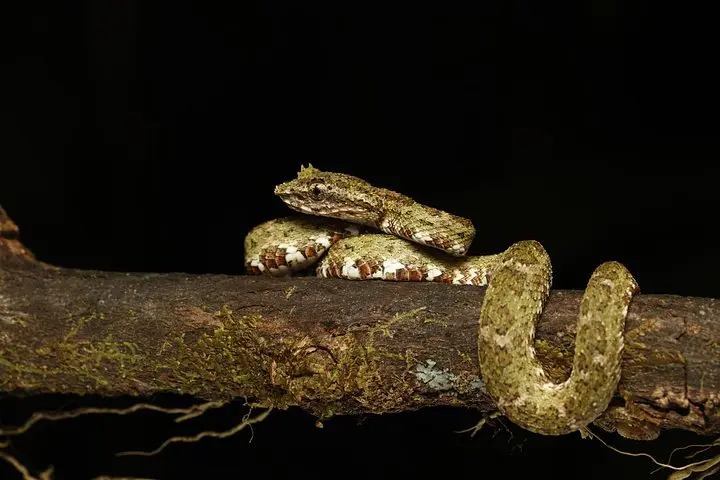
Expect a biologically focused walk led by an accredited biologist who will point out endangered Atelopus-like harlequin frogs, Flanged Anolis lizards, scorpions and nocturnal insects; some specimens may be safely handled for close observation and photography. The pace is deliberate—slow stops, low voices, and steady footing—over uneven, often muddy terrain for several hours at night.
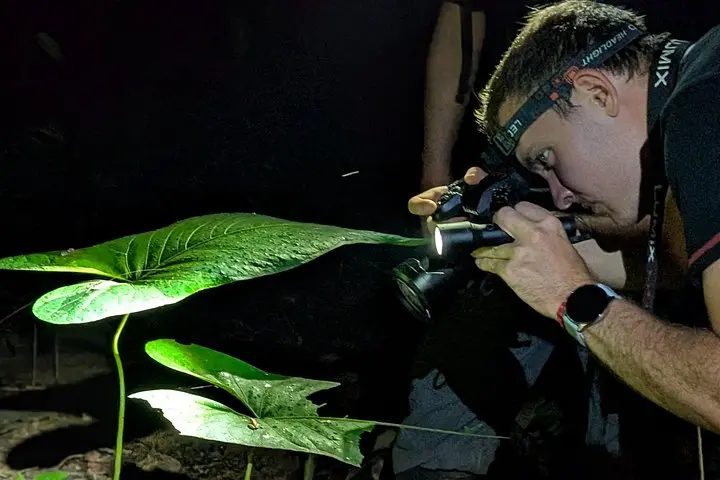
Practical tips: wear waterproof footwear with ankle support, bring a reliable headlamp and spare batteries, use insect repellent and long sleeves, and plan for humidity and sudden rain. Photography works best with a macro lens or smartphone camera and a steady hand. Ask guides about seasonal frog activity and any accessibility limits before booking; the trail requires moderate fitness and surefootedness.
Most tours pick up from central Panama City; drive time to the reserve area is typically 45–90 minutes depending on traffic and the exact trailhead.
Accredited biologists handle only non-venomous or safely manageable specimens and will explain handling protocols; guests are advised to touch only when invited and to follow hygiene guidance.
Older, responsible children with good night stamina can participate, but the tour is not recommended for very young kids due to uneven terrain and handling of small animals.
A macro-capable lens or a smartphone with a close-focus mode works best; use a low-intensity fill light or the guide’s flashlight and keep movement slow to avoid startling subjects.
Panama All about operates guided outdoor trips and adventures with an emphasis on safety, stewardship, and memorable experiences.
Rain-dark humidity presses low as the trailhead light fades and forest sounds step forward. Headlamps carve cones through wet leaves while a ribbon of water—the waterfall—throws silver into the night and the creek dares you closer. Around every root and rock, eyes reflect: frogs, anoles, whip spiders and the occasional bat wheel in the canopy.
Rain-dark humidity presses low as the trailhead light fades and forest sounds step forward. Headlamps carve cones through wet leaves while a ribbon of water—the waterfall—throws silver into the night and the creek dares you closer. Around every root and rock, eyes reflect: frogs, anoles, whip spiders and the occasional bat wheel in the canopy.
This guided night safari explores Bonito Creek ecology just outside Panama City, where tropical lowland rainforest and streams have shaped a compact, species-rich pocket of biodiversity. The geology here is young sedimentary and igneous mixes, with fast-draining creekbeds and steep micro-terraces that form small falls. Culturally, the area has long been a source of local naturalists’ study and community knowledge about medicinal plants and amphibian conservation.
Expect a biologically focused walk led by an accredited biologist who will point out endangered Atelopus-like harlequin frogs, Flanged Anolis lizards, scorpions and nocturnal insects; some specimens may be safely handled for close observation and photography. The pace is deliberate—slow stops, low voices, and steady footing—over uneven, often muddy terrain for several hours at night.
Practical tips: wear waterproof footwear with ankle support, bring a reliable headlamp and spare batteries, use insect repellent and long sleeves, and plan for humidity and sudden rain. Photography works best with a macro lens or smartphone camera and a steady hand. Ask guides about seasonal frog activity and any accessibility limits before booking; the trail requires moderate fitness and surefootedness.