THE ADVENTURE COLLECTIVE® · Independent discovery and booking for outdoor travel

Step off the trailhead into the hush of Cradle Mountain as guides spotlight wombats, pademelons and possums on this two-hour evening walk. Learn local ecology and cultural history while staying warm on boardwalks that protect fragile alpine peat.
Step off the trailhead into the hush of Cradle Mountain as guides spotlight wombats, pademelons and possums on this two-hour evening walk. Learn local ecology and cultural history while staying warm on boardwalks that protect fragile alpine peat.
The bus eases away from dim cabin lights and into a hush that tastes of cold peat and eucalyptus; headlights carve a path through the trees and the park's shadows begin their slow patrol. At Ronny Creek the guide cuts the engine and the forest answers with the scrabble of paws and the quick blink of eyes. You step onto boardwalks that lift you above sphagnum bogs while the air cools and the night asserts itself.
Verified experiences and guided adventures in the surrounding area.
Operated by McDermott's Coaches · Cradle Mountain Village, Tasmania
The bus eases away from dim cabin lights and into a hush that tastes of cold peat and eucalyptus; headlights carve a path through the trees and the park's shadows begin their slow patrol. At Ronny Creek the guide cuts the engine and the forest answers with the scrabble of paws and the quick blink of eyes. You step onto boardwalks that lift you above sphagnum bogs while the air cools and the night asserts itself.
This is Cradle Mountain–Lake St Clair National Park, part of the Tasmanian Wilderness World Heritage Area, where glacially carved valleys and imposing dolerite cliffs give shelter to species that come alive after dark. The guided walk threads through sections of the Cradle Valley, past Mount Kate Hut and Waldheim Chalet, and often along parts of the Overland Track; guides blend natural history with cultural notes about the Palawa people and early conservation efforts that protected this landscape.
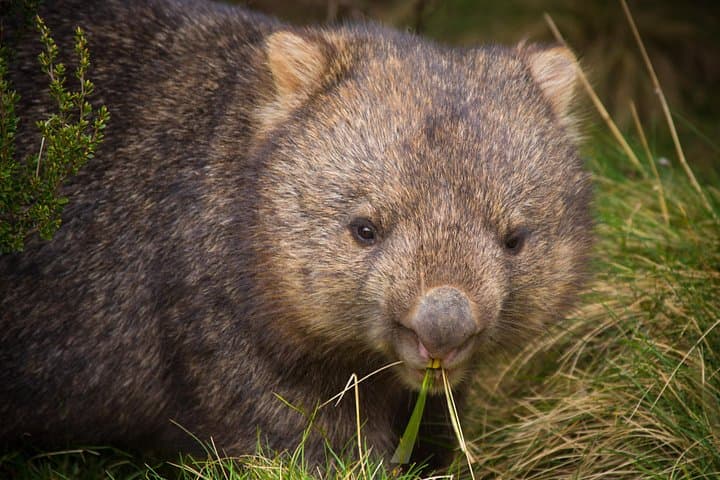
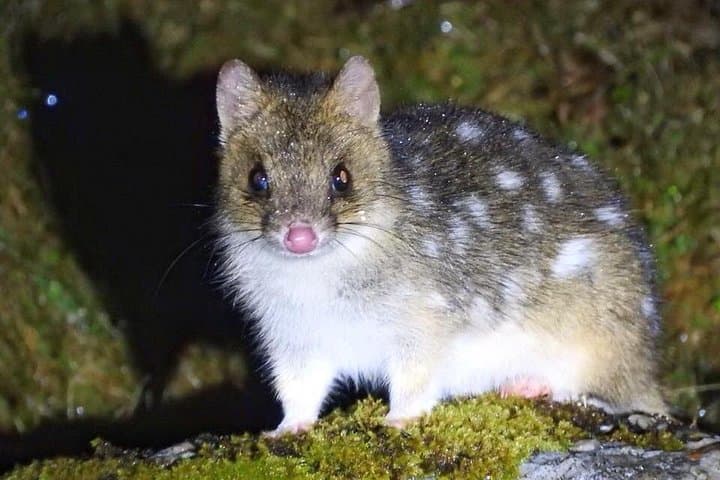
Practically, the tour is short and deliberate — two hours of slow, spotlighted walking and listening. Guides carry torches and expertise; guests are encouraged to keep voices low, move slowly, and keep to boardwalks to protect fragile alpine vegetation and peat soils. Expect to see wombats, pademelons, possums, and wallabies; rarer encounters with quolls or a Tasmanian devil are possible but never guaranteed.
Dress in warm, waterproof layers, wear sturdy shoes with good grip, and bring a camera with a fast lens if you want night shots (use no flash). The operator offers hotel pickup, makes the tour family-friendly, and asks that visitors respect wildlife distance and avoid feeding animals so these nocturnal residents remain wild.
Yes; the tour is family-friendly and children under 4 travel free but must sit on an adult’s lap — quiet behavior is encouraged to improve wildlife sightings.
No sightings are guaranteed; wombats, pademelons and possums are common, while quolls and devils are rarer and sightings depend on luck and season.
Yes, the tour includes complimentary hotel pickup and drop-off from accommodations near Cradle Mountain.
Warm layers, a waterproof jacket, sturdy shoes, and a camera without flash are recommended; guides provide torches and commentary.
McDermott's Coaches operates guided outdoor trips and adventures with an emphasis on safety, stewardship, and memorable experiences.
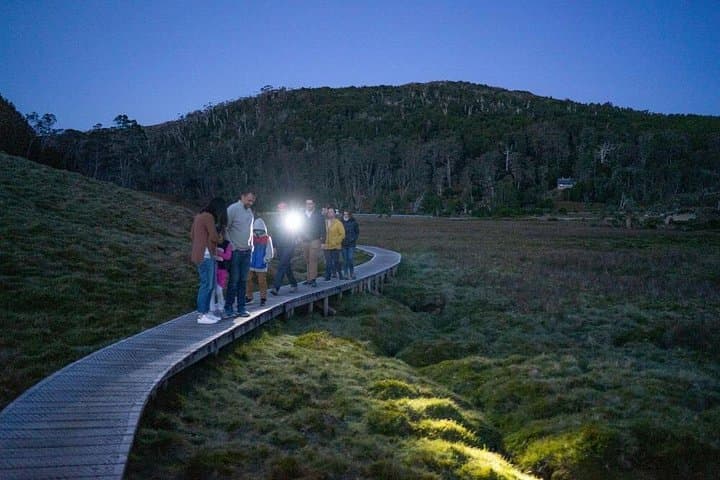
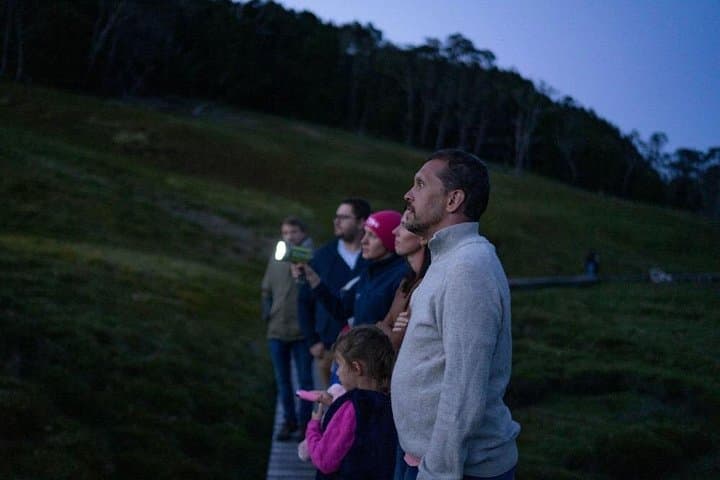
The bus eases away from dim cabin lights and into a hush that tastes of cold peat and eucalyptus; headlights carve a path through the trees and the park's shadows begin their slow patrol. At Ronny Creek the guide cuts the engine and the forest answers with the scrabble of paws and the quick blink of eyes. You step onto boardwalks that lift you above sphagnum bogs while the air cools and the night asserts itself.
The bus eases away from dim cabin lights and into a hush that tastes of cold peat and eucalyptus; headlights carve a path through the trees and the park's shadows begin their slow patrol. At Ronny Creek the guide cuts the engine and the forest answers with the scrabble of paws and the quick blink of eyes. You step onto boardwalks that lift you above sphagnum bogs while the air cools and the night asserts itself.
This is Cradle Mountain–Lake St Clair National Park, part of the Tasmanian Wilderness World Heritage Area, where glacially carved valleys and imposing dolerite cliffs give shelter to species that come alive after dark. The guided walk threads through sections of the Cradle Valley, past Mount Kate Hut and Waldheim Chalet, and often along parts of the Overland Track; guides blend natural history with cultural notes about the Palawa people and early conservation efforts that protected this landscape.
Practically, the tour is short and deliberate — two hours of slow, spotlighted walking and listening. Guides carry torches and expertise; guests are encouraged to keep voices low, move slowly, and keep to boardwalks to protect fragile alpine vegetation and peat soils. Expect to see wombats, pademelons, possums, and wallabies; rarer encounters with quolls or a Tasmanian devil are possible but never guaranteed.
Dress in warm, waterproof layers, wear sturdy shoes with good grip, and bring a camera with a fast lens if you want night shots (use no flash). The operator offers hotel pickup, makes the tour family-friendly, and asks that visitors respect wildlife distance and avoid feeding animals so these nocturnal residents remain wild.