THE ADVENTURE COLLECTIVE® · Independent discovery and booking for outdoor travel

A short, intense interactive horror experience in Barcelona’s El Born barrio, the Nightmare Horror Museum pairs live actors, sets and sensory effects for a 20–30 minute theatrical scare. Plan ahead for mobile tickets, tight spaces and flashing lights.
A short, intense interactive horror experience in Barcelona’s El Born barrio, the Nightmare Horror Museum pairs live actors, sets and sensory effects for a 20–30 minute theatrical scare. Plan ahead for mobile tickets, tight spaces and flashing lights.
You step off a narrow El Born lane and into a corridor that swallows streetlight—the city’s limestone facades giving way to staged darkness and the low, deliberate creak of doors. Inside the Nightmare Horror Museum, actors, sets and sensory effects conspire to keep you moving: a short, intense corridor of scenes designed to provoke jump reactions, disorientation and close-contact chills.
Verified experiences and guided adventures in the surrounding area.
Operated by Nightmare Horror Museum · Barcelona, Catalonia
You step off a narrow El Born lane and into a corridor that swallows streetlight—the city’s limestone facades giving way to staged darkness and the low, deliberate creak of doors. Inside the Nightmare Horror Museum, actors, sets and sensory effects conspire to keep you moving: a short, intense corridor of scenes designed to provoke jump reactions, disorientation and close-contact chills.
Barcelona’s Gothic and Born quarters grew from medieval trade and shipbuilding; those same alleys now frame contemporary forms of entertainment. Horror attractions like this one draw on popular European ghost-house traditions—immersive sets, live performers, strobe and soundscapes—to create a curated fright rather than a passive exhibit. Geologically the museum sits on Barcelona’s coastal plain, a few minutes’ walk from the church of Santa Maria del Mar and the old port, where the city’s mercantile history is visible in stone and narrow streets.
Locals treat El Born as an after-dark neighborhood—tapas bars, galleries and small plazas that make a late-night visit easy to pair with dinner or the Picasso Museum. The attraction itself runs about 20–30 minutes, accepts mobile tickets, and offers skip-the-line access; it’s wheelchair accessible but warns against participation for pregnant guests, people with heart conditions, or those sensitive to flashing lights.
Practical guidance: arrive 10–15 minutes early with your mobile ticket, secure loose items, and be prepared for tight spaces and loud audio. If you’re bringing younger teens, note that children under 14 need adult supervision. This is an urban, theatrical fright—short, intense, and best experienced with an appetite for staged scares rather than a fragile stomach.
The interactive route runs about 20–30 minutes; allow extra time for check-in and briefings.
Children under 14 must be supervised by an adult and the experience is intense; consider age and sensitivity before bringing minors.
Yes—advertised as wheelchair accessible with accessible surfaces; contact the operator ahead for specific assistance requests.
Full refund is available if you cancel at least 24 hours before the scheduled time; same-day cancellations are not refundable.
Nightmare Horror Museum operates guided outdoor trips and adventures with an emphasis on safety, stewardship, and memorable experiences.
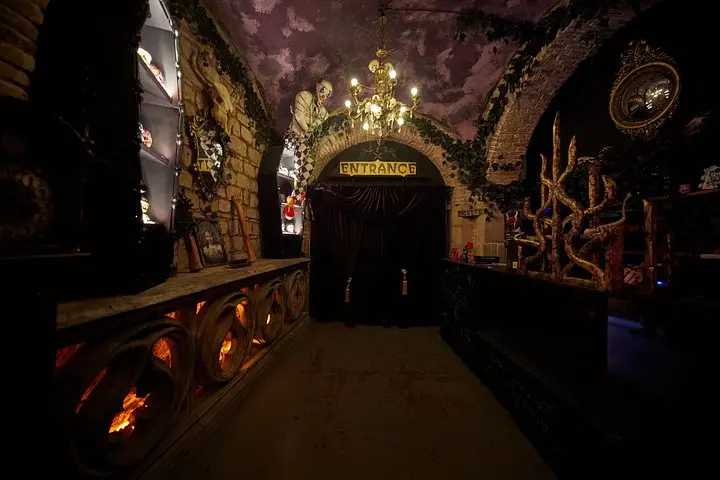
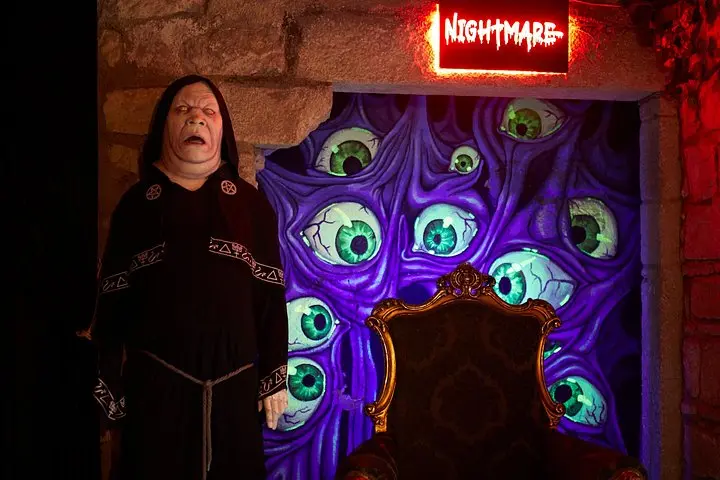
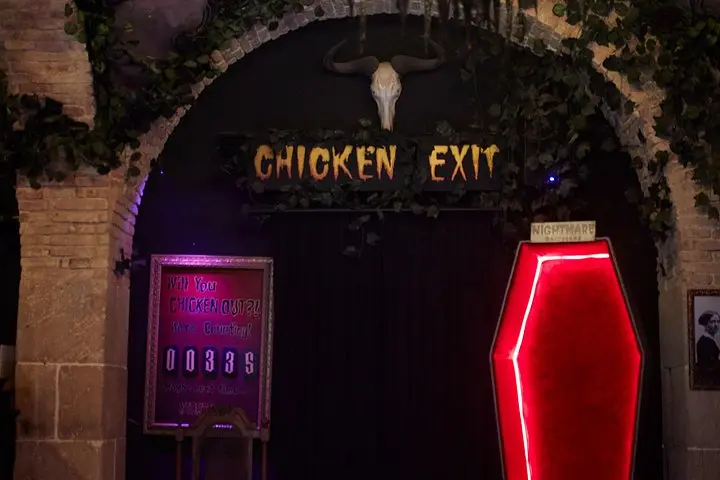
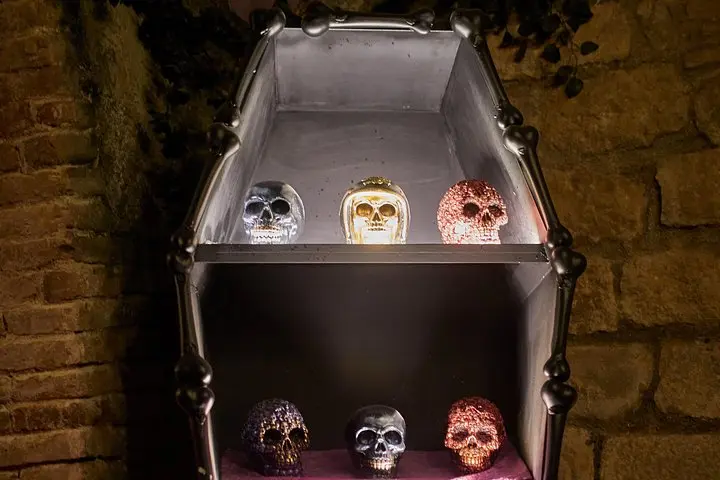
You step off a narrow El Born lane and into a corridor that swallows streetlight—the city’s limestone facades giving way to staged darkness and the low, deliberate creak of doors. Inside the Nightmare Horror Museum, actors, sets and sensory effects conspire to keep you moving: a short, intense corridor of scenes designed to provoke jump reactions, disorientation and close-contact chills.
You step off a narrow El Born lane and into a corridor that swallows streetlight—the city’s limestone facades giving way to staged darkness and the low, deliberate creak of doors. Inside the Nightmare Horror Museum, actors, sets and sensory effects conspire to keep you moving: a short, intense corridor of scenes designed to provoke jump reactions, disorientation and close-contact chills.
Barcelona’s Gothic and Born quarters grew from medieval trade and shipbuilding; those same alleys now frame contemporary forms of entertainment. Horror attractions like this one draw on popular European ghost-house traditions—immersive sets, live performers, strobe and soundscapes—to create a curated fright rather than a passive exhibit. Geologically the museum sits on Barcelona’s coastal plain, a few minutes’ walk from the church of Santa Maria del Mar and the old port, where the city’s mercantile history is visible in stone and narrow streets.
Locals treat El Born as an after-dark neighborhood—tapas bars, galleries and small plazas that make a late-night visit easy to pair with dinner or the Picasso Museum. The attraction itself runs about 20–30 minutes, accepts mobile tickets, and offers skip-the-line access; it’s wheelchair accessible but warns against participation for pregnant guests, people with heart conditions, or those sensitive to flashing lights.
Practical guidance: arrive 10–15 minutes early with your mobile ticket, secure loose items, and be prepared for tight spaces and loud audio. If you’re bringing younger teens, note that children under 14 need adult supervision. This is an urban, theatrical fright—short, intense, and best experienced with an appetite for staged scares rather than a fragile stomach.