THE ADVENTURE COLLECTIVE® · Independent discovery and booking for outdoor travel

Join guided night patrols on Playa Gandoca to watch endangered sea turtles come ashore to nest. Small-group, ranger-led tours focus on conservation, quiet observation, and community support during the February–July nesting window.
Join guided night patrols on Playa Gandoca to watch endangered sea turtles come ashore to nest. Small-group, ranger-led tours focus on conservation, quiet observation, and community support during the February–July nesting window.
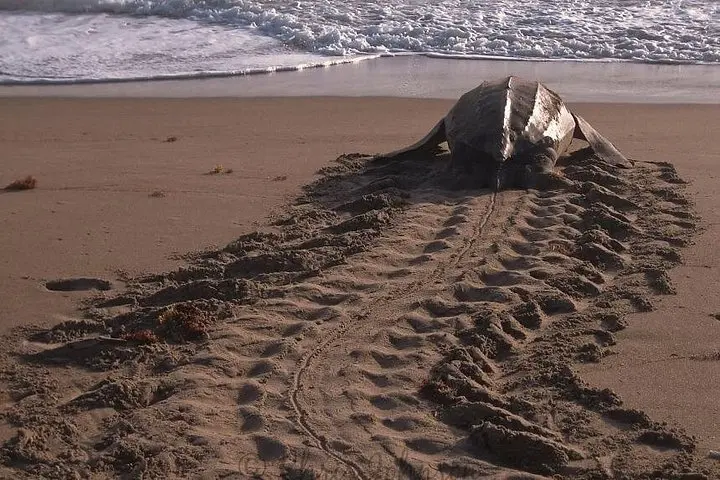
Salt air presses cool on the back of your neck as a guide's flashlight paints a thin red circle on the sand; the ocean breathes quietly and the beach waits. At Playa Gandoca, after a short orientation at the operations hut, small groups move onto the shore under park ranger direction, listening for the low, steady movements of turtles coming ashore to nest.
Verified experiences and guided adventures in the surrounding area.
Operated by Gandoca Tours · Gandoca, Limón Province
Salt air presses cool on the back of your neck as a guide's flashlight paints a thin red circle on the sand; the ocean breathes quietly and the beach waits. At Playa Gandoca, after a short orientation at the operations hut, small groups move onto the shore under park ranger direction, listening for the low, steady movements of turtles coming ashore to nest.
Gandoca-Manzanillo Refuge protects low coastal rainforest, dunes and an arc of beach used by green, hawksbill and the occasional leatherback turtle. The area sits on carbon-rich mangrove and alluvial deposits where waves continually reshape the shoreline; local Bribri and Afro-Caribbean communities have long fished and worked here, and modern patrols date from conservation initiatives of the 1980s aimed to curb poaching and maintain livelihoods.
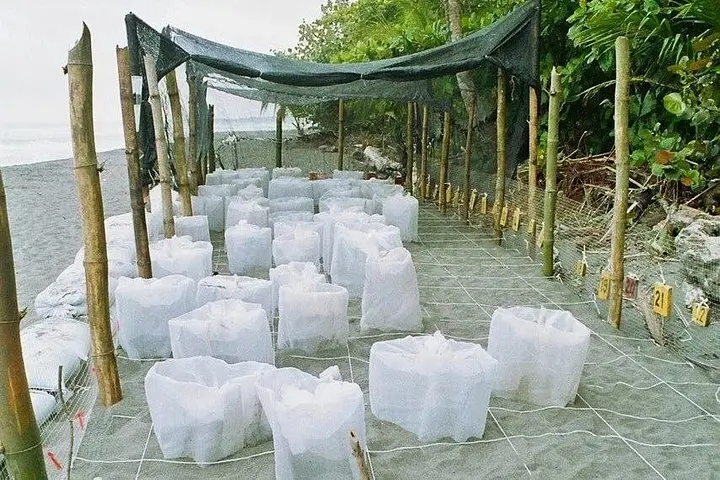
Expect hushed waits, short guided walks, and an emphasis on minimal light and distance — cameras are not permitted to avoid disturbing animals. Guides explain nesting behavior, egg deposition, and the community-run protection model that funds patrols and alternatives to poaching. The beach is long and sightings are likely during the main season (February–July) but never guaranteed.
Practical notes: wear sturdy, closed-toe shoes for walking on wet sand and debris; bring a refillable water bottle; dress for humidity and possible rain; leave tripods and flash photography at home. Arrive with local currency for tipping and support local vendors; follow the ranger's instructions at all times. A night on Gandoca's shore is equal parts patience, education, and the rare privilege of watching ancient reptiles reclaim the dark for a few hours.
No — cameras, flash, and tripods are not permitted to avoid disturbing nesting turtles; guides may offer explanations and allow distant observation.
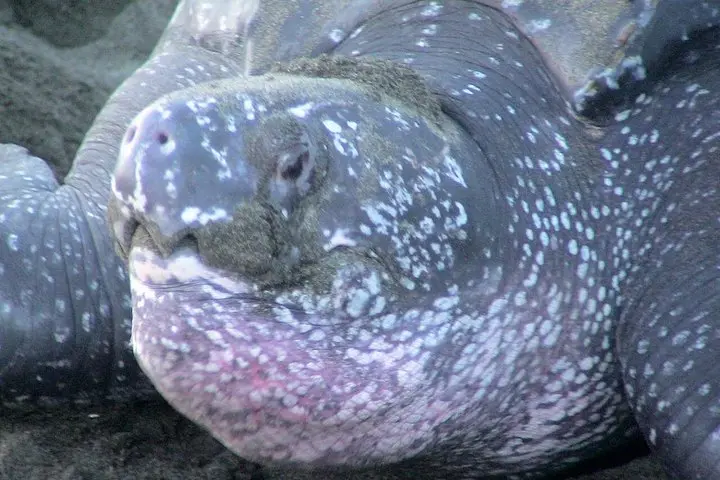
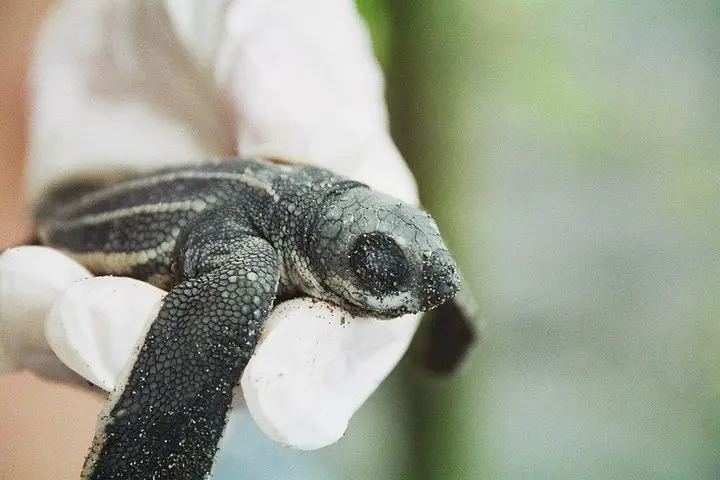
Guides often find green (Chelonia mydas) and hawksbill (Eretmochelys imbricata); leatherbacks (Dermochelys coriacea) occasionally nest here but are rarer.
No — nesting occurs primarily February–July and sightings are likely but never guaranteed; the tour also supports conservation even when turtles are not present.
The walk is flat but on sand at night; it’s generally family-friendly, but not recommended for guests with serious spinal or cardiovascular conditions as noted by operators.
Gandoca Tours operates guided outdoor trips and adventures with an emphasis on safety, stewardship, and memorable experiences.
Salt air presses cool on the back of your neck as a guide's flashlight paints a thin red circle on the sand; the ocean breathes quietly and the beach waits. At Playa Gandoca, after a short orientation at the operations hut, small groups move onto the shore under park ranger direction, listening for the low, steady movements of turtles coming ashore to nest.
Salt air presses cool on the back of your neck as a guide's flashlight paints a thin red circle on the sand; the ocean breathes quietly and the beach waits. At Playa Gandoca, after a short orientation at the operations hut, small groups move onto the shore under park ranger direction, listening for the low, steady movements of turtles coming ashore to nest.
Gandoca-Manzanillo Refuge protects low coastal rainforest, dunes and an arc of beach used by green, hawksbill and the occasional leatherback turtle. The area sits on carbon-rich mangrove and alluvial deposits where waves continually reshape the shoreline; local Bribri and Afro-Caribbean communities have long fished and worked here, and modern patrols date from conservation initiatives of the 1980s aimed to curb poaching and maintain livelihoods.
Expect hushed waits, short guided walks, and an emphasis on minimal light and distance — cameras are not permitted to avoid disturbing animals. Guides explain nesting behavior, egg deposition, and the community-run protection model that funds patrols and alternatives to poaching. The beach is long and sightings are likely during the main season (February–July) but never guaranteed.
Practical notes: wear sturdy, closed-toe shoes for walking on wet sand and debris; bring a refillable water bottle; dress for humidity and possible rain; leave tripods and flash photography at home. Arrive with local currency for tipping and support local vendors; follow the ranger's instructions at all times. A night on Gandoca's shore is equal parts patience, education, and the rare privilege of watching ancient reptiles reclaim the dark for a few hours.