THE ADVENTURE COLLECTIVE® · Independent discovery and booking for outdoor travel

Spend a full day exploring Nikko’s World Heritage sites: Tōshōgū Shrine, cedar-lined approaches and the hush of Kanmangafuchi Abyss. This practical guide helps you plan logistics, gear and timing for a rewarding day in mountain-shrined landscape.
Spend a full day exploring Nikko’s World Heritage sites: Tōshōgū Shrine, cedar-lined approaches and the hush of Kanmangafuchi Abyss. This practical guide helps you plan logistics, gear and timing for a rewarding day in mountain-shrined landscape.
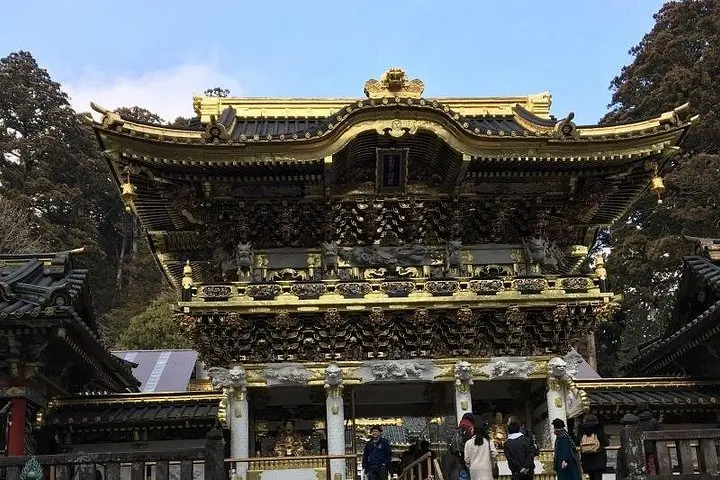
Morning mist curls through cedar trunks as you step under the vermilion gates toward Tōshōgū Shrine, where lacquered carvings and gilded eaves catch shafts of light.
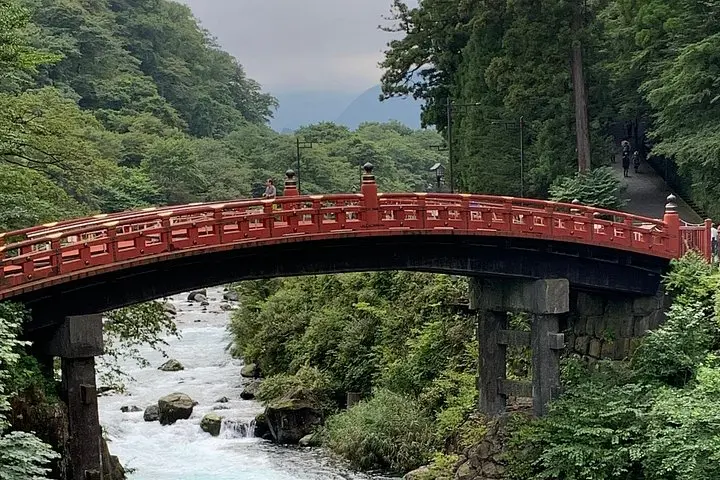
The shrine sits in a steep valley that feels both cultivated and wild — moss-soft paths, stone steps, and a river that keeps time.
Verified experiences and guided adventures in the surrounding area.
Operated by 高橋りえ子 · Nikko, Tochigi
Morning mist curls through cedar trunks as you step under the vermilion gates toward Tōshōgū Shrine, where lacquered carvings and gilded eaves catch shafts of light.
The shrine sits in a steep valley that feels both cultivated and wild — moss-soft paths, stone steps, and a river that keeps time.
Tōshōgū, completed in the early 1600s to honor Tokugawa Ieyasu, anchors Nikko’s World Heritage district; the terrain around it is a mix of volcanic uplift and river-carved basins that shaped waterfalls and marshes in Nikko National Park. Culture here is visible in ritual practice and Edo-period craftsmanship, and local dishes lean on yuba (tofu skin) and mountain produce.
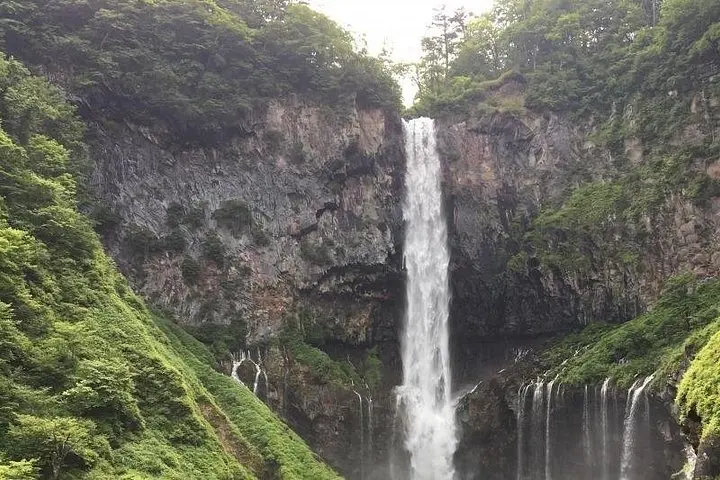
A short walk downstream brings you to Kanmangafuchi Abyss, where rows of small jizō statues watch the current. If your schedule allows, Lake Chūzenji and Kegon Falls extend the day into broad, panoramic terrain.
Expect paved approaches, uneven stone steps, and short uphill stretches — not technical, but physically engaging. Practicalities: start early to avoid coach crowds, carry cash or an IC card for small fees and snacks, and wear sturdy shoes for wet stone surfaces. Bring water, a light rain layer, and a camera with steady footing for low-light shrine halls. Travelers with serious spinal or mobility issues should consult the operator in advance; many areas have narrow passages and steps. Balanced between history and landscape, a Nikko day trip rewards steady curiosity and comfortable pacing.
No. The itinerary indicates shrine admissions are not included; bring cash and confirm any entrance costs with your operator.
This is a full-day experience of about nine hours covering major Nikko highlights; timing can vary by pace and crowds.
Long-distance transport to Nikko is typically not included—confirm pickup and meeting-point details with the operator before booking.
Children who can manage stairs and longer walks will be fine; travelers with serious spinal or mobility problems are advised not to join due to many steps and narrow passages.
高橋りえ子 operates guided outdoor trips and adventures with an emphasis on safety, stewardship, and memorable experiences.
Morning mist curls through cedar trunks as you step under the vermilion gates toward Tōshōgū Shrine, where lacquered carvings and gilded eaves catch shafts of light.
The shrine sits in a steep valley that feels both cultivated and wild — moss-soft paths, stone steps, and a river that keeps time.
Morning mist curls through cedar trunks as you step under the vermilion gates toward Tōshōgū Shrine, where lacquered carvings and gilded eaves catch shafts of light.
The shrine sits in a steep valley that feels both cultivated and wild — moss-soft paths, stone steps, and a river that keeps time.
Tōshōgū, completed in the early 1600s to honor Tokugawa Ieyasu, anchors Nikko’s World Heritage district; the terrain around it is a mix of volcanic uplift and river-carved basins that shaped waterfalls and marshes in Nikko National Park. Culture here is visible in ritual practice and Edo-period craftsmanship, and local dishes lean on yuba (tofu skin) and mountain produce.
A short walk downstream brings you to Kanmangafuchi Abyss, where rows of small jizō statues watch the current. If your schedule allows, Lake Chūzenji and Kegon Falls extend the day into broad, panoramic terrain.
Expect paved approaches, uneven stone steps, and short uphill stretches — not technical, but physically engaging. Practicalities: start early to avoid coach crowds, carry cash or an IC card for small fees and snacks, and wear sturdy shoes for wet stone surfaces. Bring water, a light rain layer, and a camera with steady footing for low-light shrine halls. Travelers with serious spinal or mobility issues should consult the operator in advance; many areas have narrow passages and steps. Balanced between history and landscape, a Nikko day trip rewards steady curiosity and comfortable pacing.