THE ADVENTURE COLLECTIVE® · Independent discovery and booking for outdoor travel

A hands-on day trip that pairs Nikko’s lavish Edo-period shrines with mountain gorges and clear rivers. Expect several hours of guided walking, included transport passes, and a close look at Toshogu and Taiyuin temples.
A hands-on day trip that pairs Nikko’s lavish Edo-period shrines with mountain gorges and clear rivers. Expect several hours of guided walking, included transport passes, and a close look at Toshogu and Taiyuin temples.
You step off the train and the city’s noise thins—mountains press close, cedars straighten like watchful guards, and a cool river dares you to slow down.
Verified experiences and guided adventures in the surrounding area.
Operated by Snow Monkey Resorts Tours (Machinovate Japan Ltd.) · Nikko, Tochigi
You step off the train and the city’s noise thins—mountains press close, cedars straighten like watchful guards, and a cool river dares you to slow down.
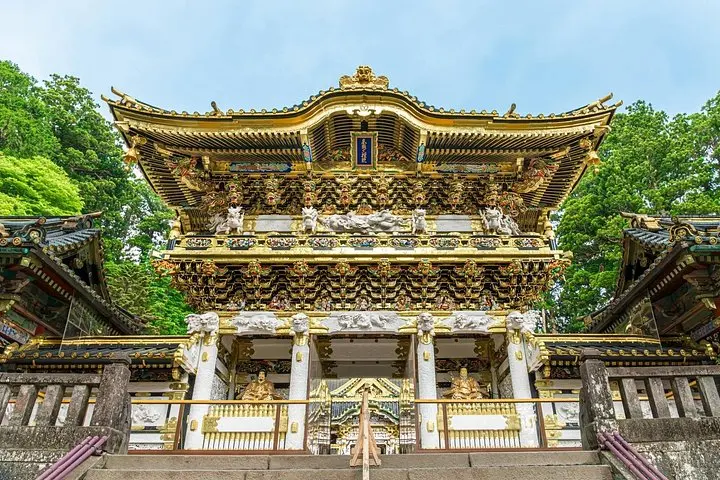
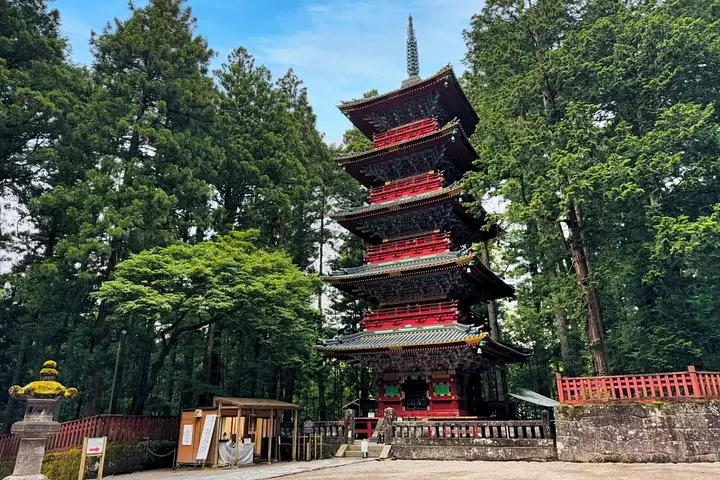
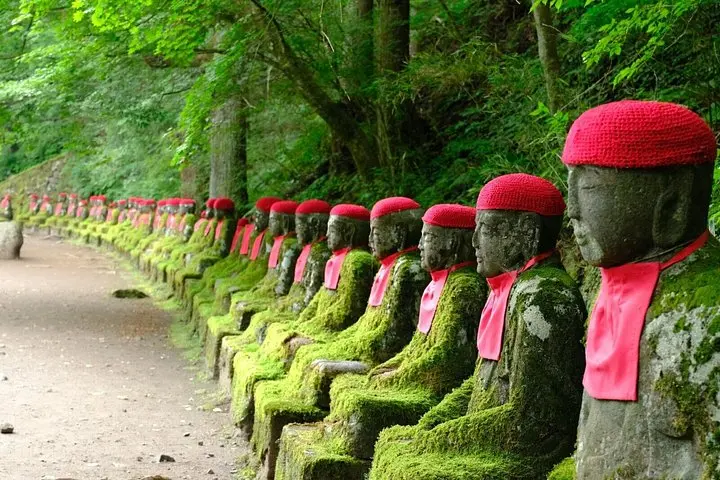
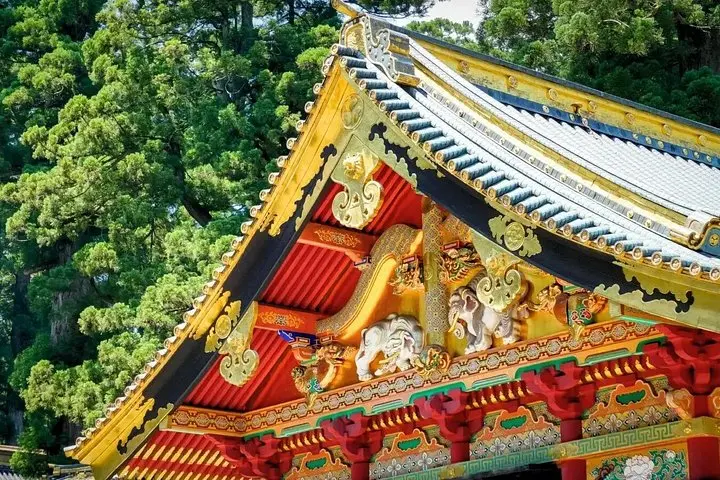
This full-day route threads cultural monuments and mountain air: a narrow gorge lined with the eerie Bake Jizo statues, the cedar-lined approach to Taiyuin Temple, and the gilded carvings of Toshogu Shrine where Tokugawa power and craftsmanship converge. Nikko sits at the edge of volcanic highlands; erosion-carved gorges and hard volcanic rock sculpt the valleys while marshes and waterfalls gather runoff from higher ridges. Culturally, this area became a pilgrimage and power center in the Edo period—the shrines and villas speak to samurai politics, imperial visits, and woodcraft perfected for ritual display.
Expect 6–8 miles of walking paced between short guided talks and admission stops; some paths are gravel or stone steps and can be slick when wet. Your guide handles transport logistics with a Nikko Heritage Area Pass and limited-express tickets so you move by train and local bus rather than private van.
Practical tip: start with waterproof shoes and layered clothing—mountain temperatures can drop suddenly. Bring cash for small purchases and a camera with extra battery: details on carvings and lacquer work reward careful framing. If you have mobility limits, note there are steps at several temples. Time your visit for weekday mornings to avoid larger crowds around Toshogu. This day trip balances big cultural sights with the quieter natural corners that make Nikko both a national park and a living heritage site.
Meet outside the EKIMISE store by the red post box at the train station entrance in Asakusa; guides will identify themselves there.
Yes—the tour includes a Nikko Heritage Area Pass, limited express train tickets and admission to Toshogu, Taiyuin, Tamozawa Villa and the museum as listed.
Yes—strollers are possible on flat stretches, but some temples and bridges have stairs; infants must sit on an adult’s lap for safety.
The itinerary may shift slightly due to weather or site capacity, but guides will prioritize safe access and the core highlights.
Snow Monkey Resorts Tours (Machinovate Japan Ltd.) operates guided outdoor trips and adventures with an emphasis on safety, stewardship, and memorable experiences.
You step off the train and the city’s noise thins—mountains press close, cedars straighten like watchful guards, and a cool river dares you to slow down.
You step off the train and the city’s noise thins—mountains press close, cedars straighten like watchful guards, and a cool river dares you to slow down.
This full-day route threads cultural monuments and mountain air: a narrow gorge lined with the eerie Bake Jizo statues, the cedar-lined approach to Taiyuin Temple, and the gilded carvings of Toshogu Shrine where Tokugawa power and craftsmanship converge. Nikko sits at the edge of volcanic highlands; erosion-carved gorges and hard volcanic rock sculpt the valleys while marshes and waterfalls gather runoff from higher ridges. Culturally, this area became a pilgrimage and power center in the Edo period—the shrines and villas speak to samurai politics, imperial visits, and woodcraft perfected for ritual display.
Expect 6–8 miles of walking paced between short guided talks and admission stops; some paths are gravel or stone steps and can be slick when wet. Your guide handles transport logistics with a Nikko Heritage Area Pass and limited-express tickets so you move by train and local bus rather than private van.
Practical tip: start with waterproof shoes and layered clothing—mountain temperatures can drop suddenly. Bring cash for small purchases and a camera with extra battery: details on carvings and lacquer work reward careful framing. If you have mobility limits, note there are steps at several temples. Time your visit for weekday mornings to avoid larger crowds around Toshogu. This day trip balances big cultural sights with the quieter natural corners that make Nikko both a national park and a living heritage site.