THE ADVENTURE COLLECTIVE® · Independent discovery and booking for outdoor travel

Swap Tokyo’s pace for a day in Nikkō—UNESCO shrine complexes, the vertigo of Kegon Falls, a ropeway panorama of Lake Chūzenji and the option of a restorative onsen. This private tour packages culture and mountain scenery into one carefully paced day.
Swap Tokyo’s pace for a day in Nikkō—UNESCO shrine complexes, the vertigo of Kegon Falls, a ropeway panorama of Lake Chūzenji and the option of a restorative onsen. This private tour packages culture and mountain scenery into one carefully paced day.
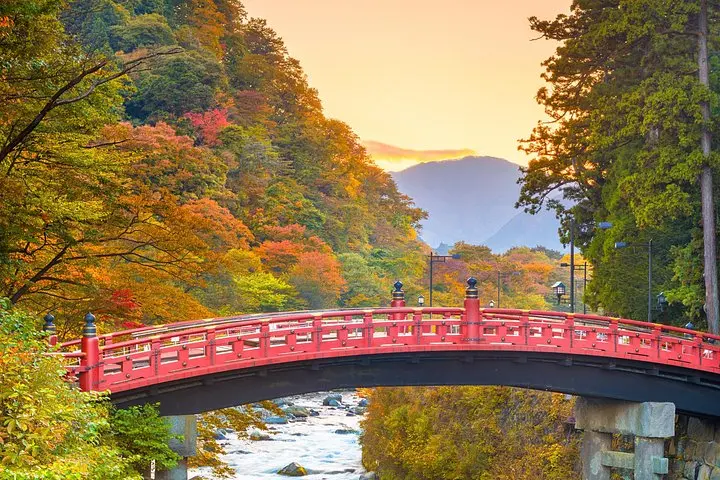
Morning light peels back Tokyo’s skyline as a private van winds toward the high forests of Nikkō, the city’s noise shrinking to a distant hum. By the time cedar trunks crowd the road, you step from the vehicle into a cooler air that seems to breathe history—Japanese maples edging stone lanterns, the Daiya River daring you to follow its rush.
Verified experiences and guided adventures in the surrounding area.
Operated by Elie · Nikko, Tochigi Prefecture
Morning light peels back Tokyo’s skyline as a private van winds toward the high forests of Nikkō, the city’s noise shrinking to a distant hum. By the time cedar trunks crowd the road, you step from the vehicle into a cooler air that seems to breathe history—Japanese maples edging stone lanterns, the Daiya River daring you to follow its rush.
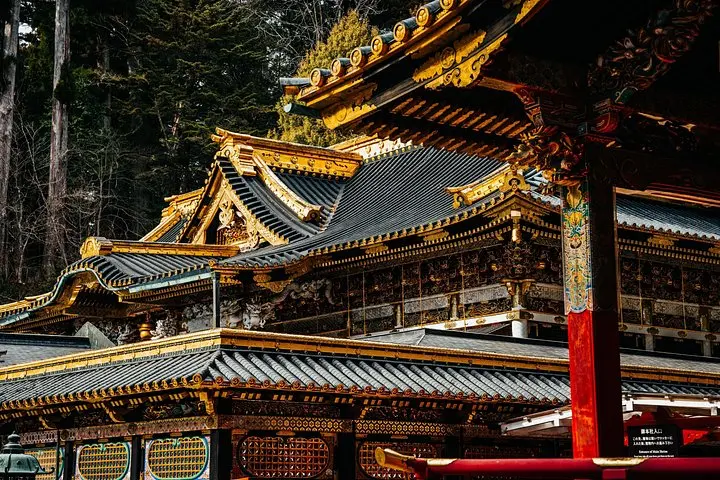
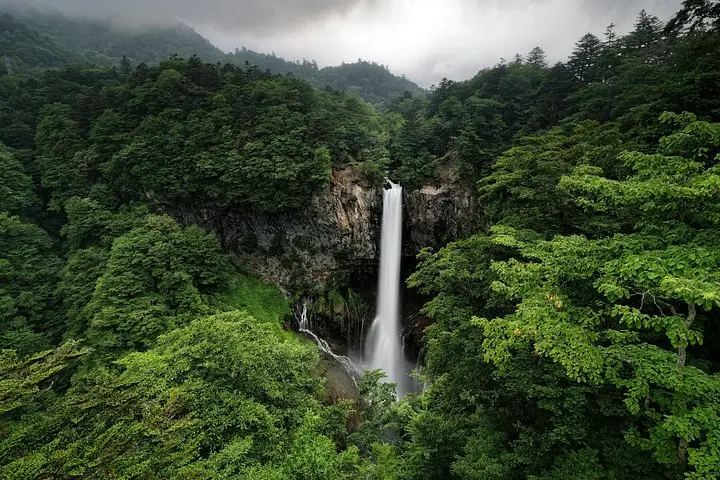
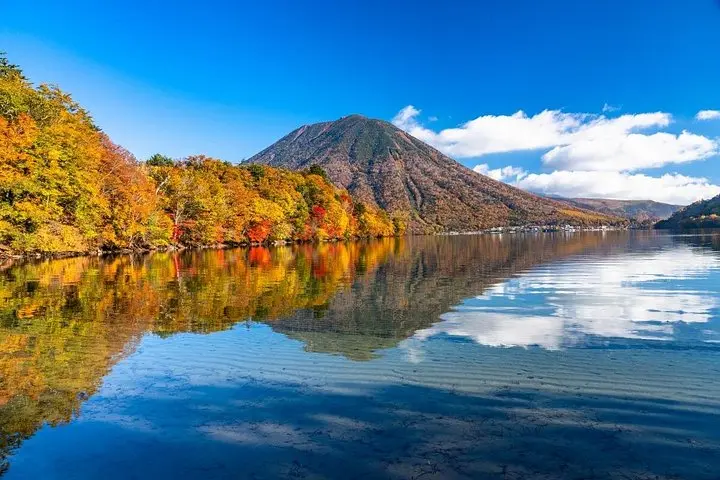
Tōshōgū Shrine dominates the narrative: an ornate Edo-period mausoleum for Tokugawa Ieyasu where gold leaf and carved monkeys tell political and spiritual stories in equal measure. The surrounding geology—volcanic peaks of the Nikkō Mountains and the crater-formed Lake Chūzenji—frames features such as Kegon Falls, a 97-meter plunge carved from volcanic rock, and the dragon‑headed Ryūzu Cascades. The Irohazaka road itself is cultural geography: 48 hairpin turns that once guided pilgrims upward.
Culturally, this day weaves Shinto symbolism, imperial retreats like Tamozawa Villa, and onsen customs—quiet, simple rituals that close the circle after a day of walking and viewing.
Practically: expect a long day (about 9–10 hours) with short hikes, stair sections at shrine precincts and an elevator to Kegon Falls viewing platform. Comfortable walking shoes, layered clothing for mountain microclimates, and modest onsen etiquette are essential. Bring cash for small shrine offerings and local snacks; peak autumn color draws crowds, so plan weekday departures or early starts. Whether you’re chasing lacquered carvings or the mist of a waterfall, Nikkō offers a direct handshake between culture and landscape—clear, storied, and thoroughly walkable.
The tour runs about 9–10 hours with hotel pickup in Tokyo; it’s a full-day private van itinerary.
Admissions vary by site; the itinerary lists visits but some entrances may require separate fees—confirm with the operator.
Yes—there’s an option to visit a local onsen near Lake Chūzenji; follow standard onsen etiquette and check if tattoos are restricted.
The tour is generally accessible with short walks; many areas are wheelchair accessible but shrine steps and some viewing platforms have stairs—confirm specific mobility needs when booking.
Elie operates guided outdoor trips and adventures with an emphasis on safety, stewardship, and memorable experiences.
Morning light peels back Tokyo’s skyline as a private van winds toward the high forests of Nikkō, the city’s noise shrinking to a distant hum. By the time cedar trunks crowd the road, you step from the vehicle into a cooler air that seems to breathe history—Japanese maples edging stone lanterns, the Daiya River daring you to follow its rush.
Morning light peels back Tokyo’s skyline as a private van winds toward the high forests of Nikkō, the city’s noise shrinking to a distant hum. By the time cedar trunks crowd the road, you step from the vehicle into a cooler air that seems to breathe history—Japanese maples edging stone lanterns, the Daiya River daring you to follow its rush.
Tōshōgū Shrine dominates the narrative: an ornate Edo-period mausoleum for Tokugawa Ieyasu where gold leaf and carved monkeys tell political and spiritual stories in equal measure. The surrounding geology—volcanic peaks of the Nikkō Mountains and the crater-formed Lake Chūzenji—frames features such as Kegon Falls, a 97-meter plunge carved from volcanic rock, and the dragon‑headed Ryūzu Cascades. The Irohazaka road itself is cultural geography: 48 hairpin turns that once guided pilgrims upward.
Culturally, this day weaves Shinto symbolism, imperial retreats like Tamozawa Villa, and onsen customs—quiet, simple rituals that close the circle after a day of walking and viewing.
Practically: expect a long day (about 9–10 hours) with short hikes, stair sections at shrine precincts and an elevator to Kegon Falls viewing platform. Comfortable walking shoes, layered clothing for mountain microclimates, and modest onsen etiquette are essential. Bring cash for small shrine offerings and local snacks; peak autumn color draws crowds, so plan weekday departures or early starts. Whether you’re chasing lacquered carvings or the mist of a waterfall, Nikkō offers a direct handshake between culture and landscape—clear, storied, and thoroughly walkable.