THE ADVENTURE COLLECTIVE® · Independent discovery and booking for outdoor travel
Walk 5 km through Nikko’s World Heritage core with a licensed English guide, from the eerie Jizo line of Kanmangafuchi Abyss to the ornate Toshogu Shrine. This small-group tour blends geology, Edo-era art, and practical route info for a compact cultural hike.
Walk 5 km through Nikko’s World Heritage core with a licensed English guide, from the eerie Jizo line of Kanmangafuchi Abyss to the ornate Toshogu Shrine. This small-group tour blends geology, Edo-era art, and practical route info for a compact cultural hike.
You step off the Tobu Nikko Station platform into a cool, cedar-scented corridor of town, the mountains pressing close. The guide falls into step and your group follows a route bus toward Kanmangafuchi Abyss, a narrow gorge carved by Mt. Nantai’s eruptions where a river dares you to linger beside a row of weathered Jizo statues.
Verified experiences and guided adventures in the surrounding area.
Operated by JTB Global Marketing & Travel Inc. · Nikko, Tochigi Prefecture
You step off the Tobu Nikko Station platform into a cool, cedar-scented corridor of town, the mountains pressing close. The guide falls into step and your group follows a route bus toward Kanmangafuchi Abyss, a narrow gorge carved by Mt. Nantai’s eruptions where a river dares you to linger beside a row of weathered Jizo statues.
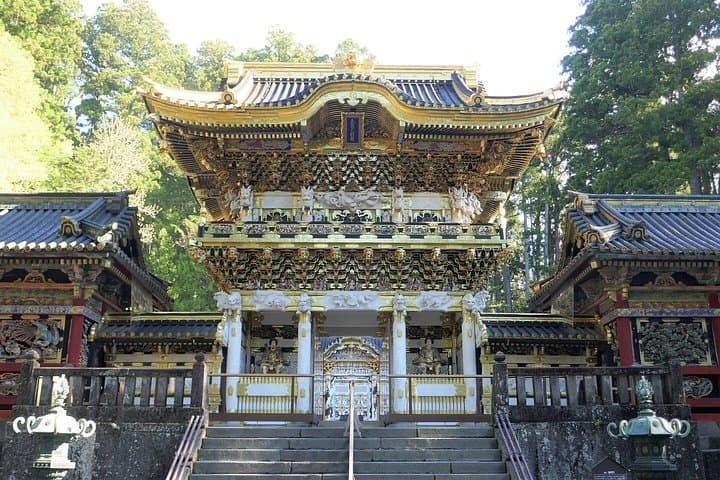
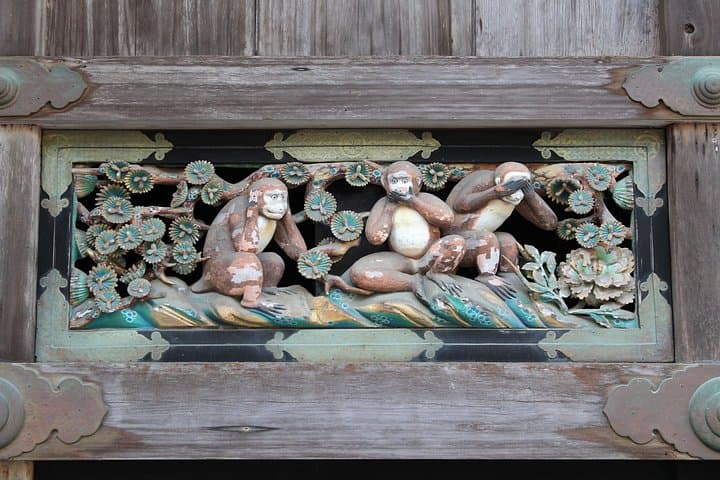
This 4–5 hour, roughly 5 km walking tour threads together Nikko’s layered history — the lavish Edo-era craftsmanship of Toshogu Shrine, erected for Tokugawa Ieyasu, sits alongside mountain-worship sites that predate the shogunate. Geology is visible underfoot: volcanic deposits from Mt. Nantai formed the gorge and fertile valley that shaped local settlement. Cultural details appear in the Sleeping Cat carving and the Three Wise Monkeys — small motifs that speak to craftsmanship, belief, and politics in early modern Japan.
Local insights come through a licensed English guide and an audio service that explains carvings, shrine etiquette, and seasonal plant life. Expect periods on foot (total can reach ~7 km if detours occur), slopes and stone steps at Toshogu, and the odd narrow lane that preserves the old streetscape.
Practical guidance: meet at Tobu Nikko Station on time (late arrivals are canceled), wear shoes easy to remove for shrine areas, and cover legs April–November for leech season. Bring water, a lightweight rain layer, and cash for small shops. Lunch is selectable at booking (Japanese, vegetarian, Indian Thali, or no lunch); same-day changes aren’t permitted. The route balances spiritual sites, geology, and town life — accessible, interpretive, and rooted in place.
Yes — admission to Nikko Toshogu and included transportation on the tour are covered in the price.
Meet inside Tobu Nikko Station at the Tourist Information Center; the tour departs promptly (confirmed departure around 11:40 a.m.).
Lunch is included only if you selected Standard Japanese, Vegetarian, or Indian Thali at booking; same-day changes aren’t possible.
Not recommended for travelers with spinal or serious mobility issues due to stairs and slopes; discuss needs with the operator in advance.
JTB Global Marketing & Travel Inc. operates guided outdoor trips and adventures with an emphasis on safety, stewardship, and memorable experiences.
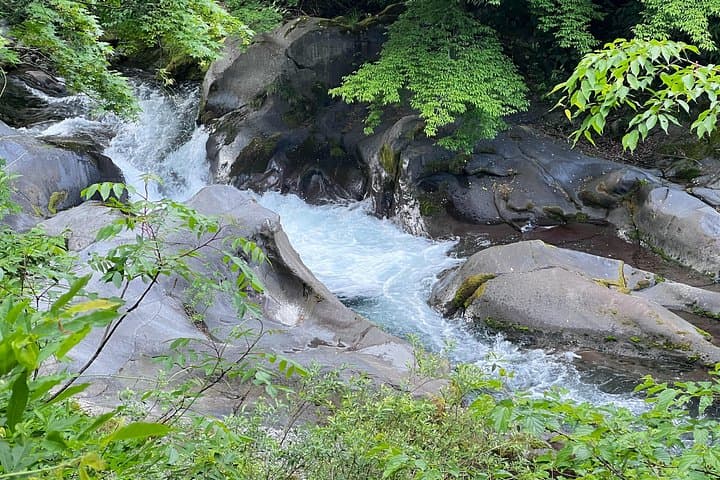
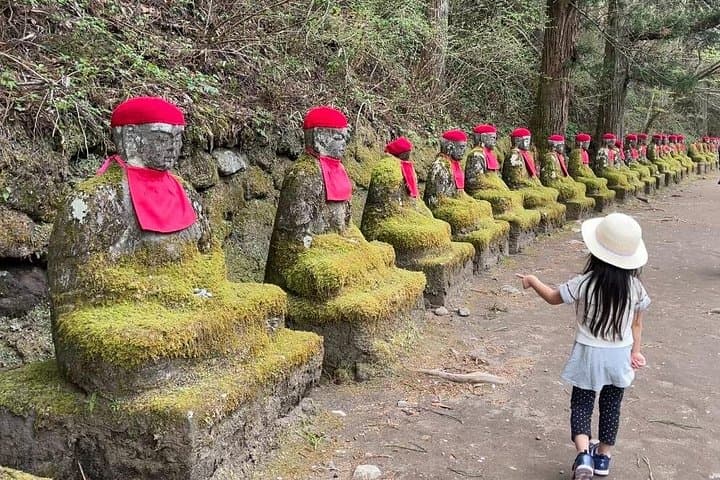
You step off the Tobu Nikko Station platform into a cool, cedar-scented corridor of town, the mountains pressing close. The guide falls into step and your group follows a route bus toward Kanmangafuchi Abyss, a narrow gorge carved by Mt. Nantai’s eruptions where a river dares you to linger beside a row of weathered Jizo statues.
You step off the Tobu Nikko Station platform into a cool, cedar-scented corridor of town, the mountains pressing close. The guide falls into step and your group follows a route bus toward Kanmangafuchi Abyss, a narrow gorge carved by Mt. Nantai’s eruptions where a river dares you to linger beside a row of weathered Jizo statues.
This 4–5 hour, roughly 5 km walking tour threads together Nikko’s layered history — the lavish Edo-era craftsmanship of Toshogu Shrine, erected for Tokugawa Ieyasu, sits alongside mountain-worship sites that predate the shogunate. Geology is visible underfoot: volcanic deposits from Mt. Nantai formed the gorge and fertile valley that shaped local settlement. Cultural details appear in the Sleeping Cat carving and the Three Wise Monkeys — small motifs that speak to craftsmanship, belief, and politics in early modern Japan.
Local insights come through a licensed English guide and an audio service that explains carvings, shrine etiquette, and seasonal plant life. Expect periods on foot (total can reach ~7 km if detours occur), slopes and stone steps at Toshogu, and the odd narrow lane that preserves the old streetscape.
Practical guidance: meet at Tobu Nikko Station on time (late arrivals are canceled), wear shoes easy to remove for shrine areas, and cover legs April–November for leech season. Bring water, a lightweight rain layer, and cash for small shops. Lunch is selectable at booking (Japanese, vegetarian, Indian Thali, or no lunch); same-day changes aren’t permitted. The route balances spiritual sites, geology, and town life — accessible, interpretive, and rooted in place.
