THE ADVENTURE COLLECTIVE® · Independent discovery and booking for outdoor travel

Float above Luxor at dawn, walk among the Giza pyramids, and glide along the Nile between ancient temples on a relaxed 8‑day circuit. This Cairo-to‑Abu Simbel itinerary combines cultural depth with comfortable cruising and a sunrise balloon over the West Bank.
Float above Luxor at dawn, walk among the Giza pyramids, and glide along the Nile between ancient temples on a relaxed 8‑day circuit. This Cairo-to‑Abu Simbel itinerary combines cultural depth with comfortable cruising and a sunrise balloon over the West Bank.
You step into Cairo at first light, dust and Nile-borne humidity clinging to the air as the city unwraps around the pyramids. Days later you’ll trade traffic for river rhythm — a five-night, five-star Nile cruise that moves like a slow storyboat between Luxor and Aswan, each stop a chapter of carved stone and desert wind.
Verified experiences and guided adventures in the surrounding area.
Operated by Nile Prince Travel · Cairo, Cairo Governorate
You step into Cairo at first light, dust and Nile-borne humidity clinging to the air as the city unwraps around the pyramids. Days later you’ll trade traffic for river rhythm — a five-night, five-star Nile cruise that moves like a slow storyboat between Luxor and Aswan, each stop a chapter of carved stone and desert wind.
This route follows millennia of human geography: the floodplain of the Nile that made pharaonic Egypt possible, sandstone quarries that birthed obelisks, and temple complexes where Ptolemaic, New Kingdom and Greco-Roman hands layered monuments. Karnak’s hypostyle hall, the sloped terraces of Hatshepsut’s mortuary, the vaulted sanctuaries of Kom Ombo — these are not just sites but records of ritual, engineering and politics. Geologically, the river carves a fertile ribbon through Precambrian bedrock and Nubian sandstone, with granite outcrops visible around Aswan.
Expect guided temple walks, a dawn hot-air balloon over Luxor’s West Bank, and easy-paced days aboard a comfortable vessel. Cultural notes: bargaining in bazaars is normal; modest dress is respectful at religious sites. Practical guidance: carry a reusable water bottle and electrolyte tablets, sun protection, and a walking shoe with good grip for uneven temple floors. Plan antibodies, photocopies of passports, and small cash for tips and local vendors.
Pacing matters — schedule mornings for major tombs to avoid heat, and leave afternoons for the boat, naps, or shaded rooftop cafés. The Nile both demands and rewards patience: move slowly and the landscape will reveal its layers.
Most travelers require a visa to enter Egypt; check your nationality’s requirements and obtain a visa in advance or on arrival where permitted.
The itinerary notes hot-air balloon entrance is included; confirm timing and weather dependence with your operator at check‑in.
Expect moderate walking at sites—stairs, ramps and uneven surfaces—usually in guided segments of 1–3 hours with rests aboard the cruise between stops.
Domestic flights Cairo–Luxor and Aswan–Cairo are included in this package as listed in the itinerary.
Nile Prince Travel operates guided outdoor trips and adventures with an emphasis on safety, stewardship, and memorable experiences.
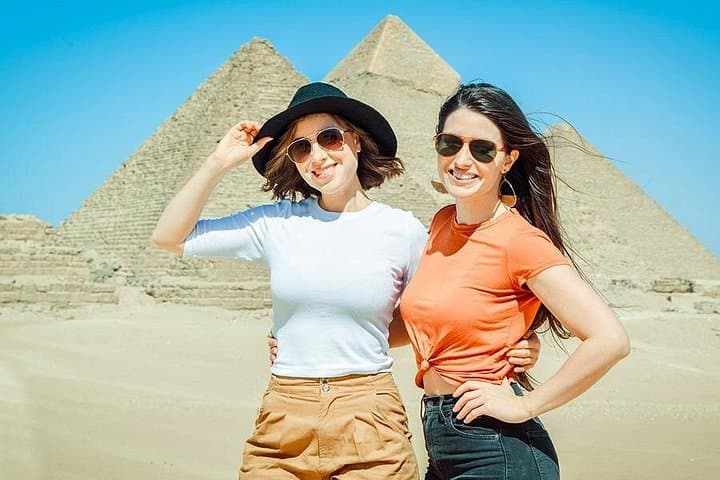

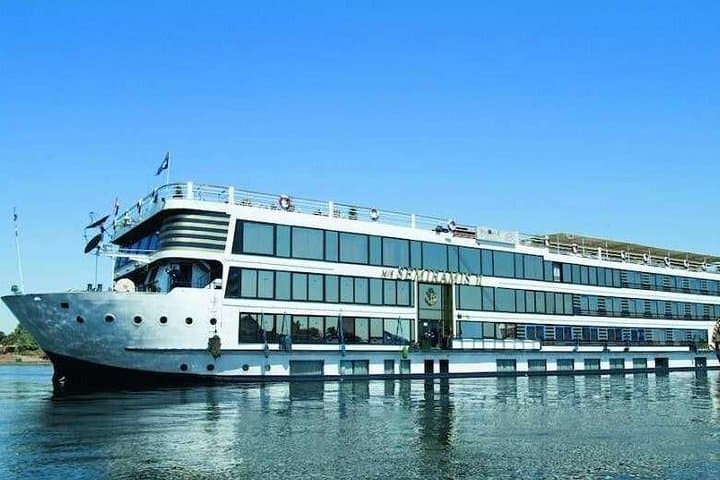
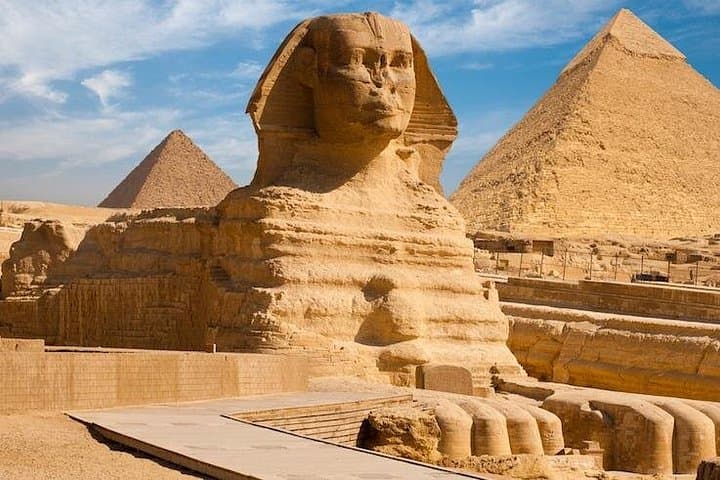
You step into Cairo at first light, dust and Nile-borne humidity clinging to the air as the city unwraps around the pyramids. Days later you’ll trade traffic for river rhythm — a five-night, five-star Nile cruise that moves like a slow storyboat between Luxor and Aswan, each stop a chapter of carved stone and desert wind.
You step into Cairo at first light, dust and Nile-borne humidity clinging to the air as the city unwraps around the pyramids. Days later you’ll trade traffic for river rhythm — a five-night, five-star Nile cruise that moves like a slow storyboat between Luxor and Aswan, each stop a chapter of carved stone and desert wind.
This route follows millennia of human geography: the floodplain of the Nile that made pharaonic Egypt possible, sandstone quarries that birthed obelisks, and temple complexes where Ptolemaic, New Kingdom and Greco-Roman hands layered monuments. Karnak’s hypostyle hall, the sloped terraces of Hatshepsut’s mortuary, the vaulted sanctuaries of Kom Ombo — these are not just sites but records of ritual, engineering and politics. Geologically, the river carves a fertile ribbon through Precambrian bedrock and Nubian sandstone, with granite outcrops visible around Aswan.
Expect guided temple walks, a dawn hot-air balloon over Luxor’s West Bank, and easy-paced days aboard a comfortable vessel. Cultural notes: bargaining in bazaars is normal; modest dress is respectful at religious sites. Practical guidance: carry a reusable water bottle and electrolyte tablets, sun protection, and a walking shoe with good grip for uneven temple floors. Plan antibodies, photocopies of passports, and small cash for tips and local vendors.
Pacing matters — schedule mornings for major tombs to avoid heat, and leave afternoons for the boat, naps, or shaded rooftop cafés. The Nile both demands and rewards patience: move slowly and the landscape will reveal its layers.