THE ADVENTURE COLLECTIVE® · Independent discovery and booking for outdoor travel

Glide from Cairo’s Giza plateau to Abu Simbel on an eight-day circuit that pairs museum-curated collections with a four-night Nile cruise. Expect long walking days, desert roads, and iconic temples revealed at dawn.
Glide from Cairo’s Giza plateau to Abu Simbel on an eight-day circuit that pairs museum-curated collections with a four-night Nile cruise. Expect long walking days, desert roads, and iconic temples revealed at dawn.
The sun blooms over the Nile as your cruise untethers in Luxor — dusted brick temples push their columns into the blue and the river gently pulls the ship south toward Aswan.
Verified experiences and guided adventures in the surrounding area.
Operated by Blue Tours · Cairo, Cairo Governorate
The sun blooms over the Nile as your cruise untethers in Luxor — dusted brick temples push their columns into the blue and the river gently pulls the ship south toward Aswan.
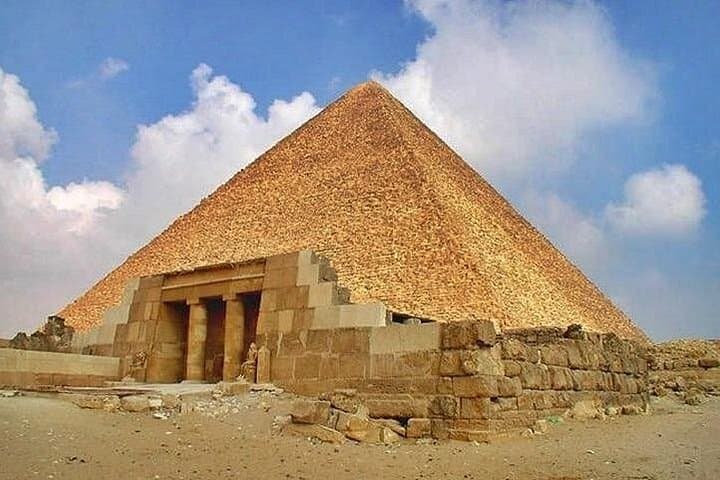
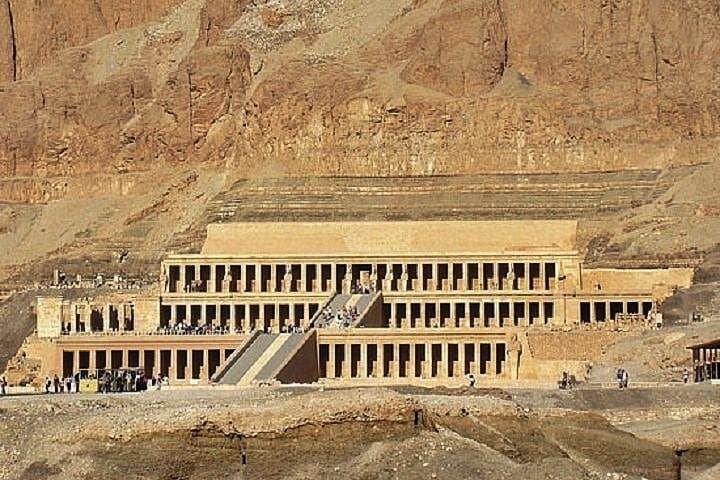
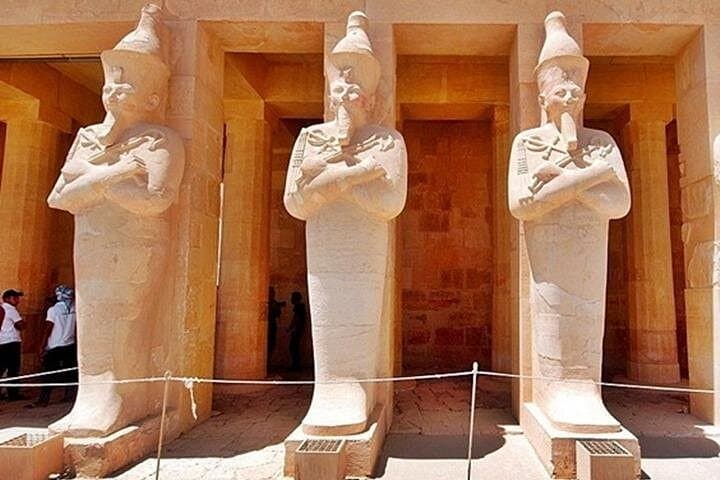
This eight-day loop pairs Cairo’s Pyramids and the Grand Egyptian Museum with four nights aboard a 5-star river cruise between Luxor and Aswan. You’ll walk the hypostyle halls of Karnak, stand before the colossi at Medinet Habu and descend into selected tombs in the Valley of the Kings. Geologically, you move from the alluvial plain of the Nile — rich silt and flat banklines — to the exposed sandstone cliffs at Abu Simbel carved directly into the desert edge.
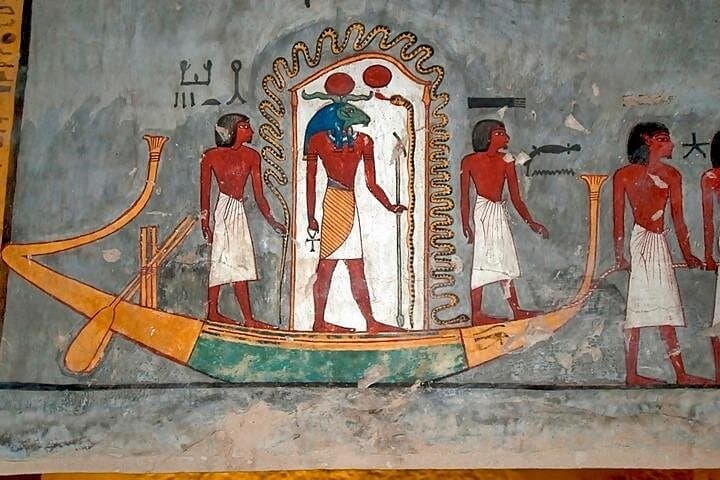
Culturally the trip spans millennia: Old Kingdom pyramids at Giza, New Kingdom power in Luxor, Ptolemaic craftsmanship at Edfu, and Nubian influences around Aswan. The Philae temple’s relocation by UNESCO to Agilkia Island is an instructive example of modern conservation intersecting with ancient sites.
Practically: expect long walking days on uneven stone and steps rather than elevation gain; sunscreen, hat, and a reusable water bottle are essentials. Average daytime temperatures range widely by season — intense heat in summer, mild winter days with cool nights. Travel between sites uses private transfers, a domestic flight Cairo–Luxor, and a 3.5-hour road option for Abu Simbel.
Timing matters: early starts avoid heat and crowds; allow 60–90 minutes at big sites like the Grand Egyptian Museum and Karnak. Bring small change for tipping, photocopies of travel documents, and clothing that respects mosque and museum rules. This is a layered journey where travel time becomes part of the narrative: the Nile will keep moving you forward as the past keeps unfolding at every shore.
Entrance fees listed in the itinerary are included; gratuities for guides and drivers are usually not included—carry local currency for tips.
Many nationalities require a visa; check current Egyptian visa rules and ensure your passport has at least six months validity.
The 5-star river cruise offers cabin comforts and short shore excursions, but guests should be mobile enough for steps and boarding; inform operators of mobility needs in advance.
The overland round trip is about 7 hours total (roughly 3.5 hours each way); some itineraries substitute a short domestic flight depending on the program and season.
Blue Tours operates guided outdoor trips and adventures with an emphasis on safety, stewardship, and memorable experiences.
The sun blooms over the Nile as your cruise untethers in Luxor — dusted brick temples push their columns into the blue and the river gently pulls the ship south toward Aswan.
The sun blooms over the Nile as your cruise untethers in Luxor — dusted brick temples push their columns into the blue and the river gently pulls the ship south toward Aswan.
This eight-day loop pairs Cairo’s Pyramids and the Grand Egyptian Museum with four nights aboard a 5-star river cruise between Luxor and Aswan. You’ll walk the hypostyle halls of Karnak, stand before the colossi at Medinet Habu and descend into selected tombs in the Valley of the Kings. Geologically, you move from the alluvial plain of the Nile — rich silt and flat banklines — to the exposed sandstone cliffs at Abu Simbel carved directly into the desert edge.
Culturally the trip spans millennia: Old Kingdom pyramids at Giza, New Kingdom power in Luxor, Ptolemaic craftsmanship at Edfu, and Nubian influences around Aswan. The Philae temple’s relocation by UNESCO to Agilkia Island is an instructive example of modern conservation intersecting with ancient sites.
Practically: expect long walking days on uneven stone and steps rather than elevation gain; sunscreen, hat, and a reusable water bottle are essentials. Average daytime temperatures range widely by season — intense heat in summer, mild winter days with cool nights. Travel between sites uses private transfers, a domestic flight Cairo–Luxor, and a 3.5-hour road option for Abu Simbel.
Timing matters: early starts avoid heat and crowds; allow 60–90 minutes at big sites like the Grand Egyptian Museum and Karnak. Bring small change for tipping, photocopies of travel documents, and clothing that respects mosque and museum rules. This is a layered journey where travel time becomes part of the narrative: the Nile will keep moving you forward as the past keeps unfolding at every shore.