THE ADVENTURE COLLECTIVE® · Independent discovery and booking for outdoor travel

Board an overnight train, wake in Aswan and spend 3 nights cruising the Nile between Aswan and Luxor. This itinerary pairs calm river travel with intensive visits to Abu Simbel, Philae, Kom Ombo, Edfu, Karnak and the Valley of the Kings.
Board an overnight train, wake in Aswan and spend 3 nights cruising the Nile between Aswan and Luxor. This itinerary pairs calm river travel with intensive visits to Abu Simbel, Philae, Kom Ombo, Edfu, Karnak and the Valley of the Kings.
You step off an overnight train into the dry heat of Aswan before dawn, the Nile’s current daring you to slow down. The cruise boat waits with a low deck and a small pool; palm shadows move across the water while minarets and sandstone quays slide past. Days unfold as a steady rhythm of short walks, guided temple tours and quiet crossings through light on the river.
Verified experiences and guided adventures in the surrounding area.
Operated by Egypt Travel Line · Aswan, Aswan Governorate
You step off an overnight train into the dry heat of Aswan before dawn, the Nile’s current daring you to slow down. The cruise boat waits with a low deck and a small pool; palm shadows move across the water while minarets and sandstone quays slide past. Days unfold as a steady rhythm of short walks, guided temple tours and quiet crossings through light on the river.
This route threads Egypt’s Pharaonic heart—Philae, Kom Ombo, Edfu—before the long sweep of Luxor’s Karnak, the Valley of the Kings and Hatshepsut. Geology here is literal: sandstone and limestone layers exposed by the Nile’s millennia of flow, and the modern imprint of the Aswan High Dam, which created Lake Nasser and forced the relocation of Abu Simbel’s carved facades in the 1960s.
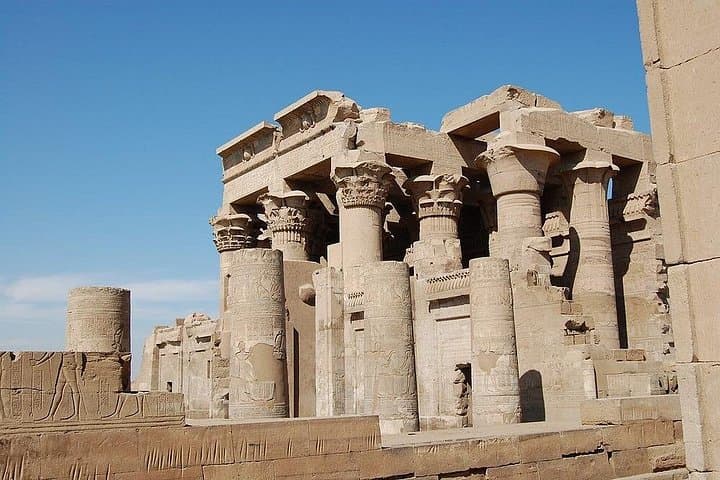
Culture is immediate and tactile—temple columns chiselled with hieroglyphs, local Nubian communities clustered in bright houses, market vendors selling hibiscus and dates. Professional Egyptologists often join this itinerary, bringing the myths and politics behind the reliefs into focus.
Practical guidance: plan light, closed shoes for uneven stone steps, sunscreen for long outdoor visits and a small daypack for water, camera and modest clothing for sites with conservative dress codes. Expect early starts (Abu Simbel can be pre-dawn), guided transfers between ship and sites, and several short coach rides. The cruise packs full-board meals, on-board downtime and guided temple access—good for travelers who want continuous river travel with concentrated cultural hiking between moorings.
Most packages include guided visits but individual monument entry fees or special tomb surcharges (e.g., King Tut’s tomb) may be extra—confirm before travel.
Abu Simbel excursions are typically pre-dawn to early morning to avoid heat and crowds; expect very early pickup and a long drive if not flown.
Many modern Nile boats have limited wheelchair access; the tour notes wheelchair-accessible transfers but certain temple sites have steps and uneven terrain—check specifics if mobility is restricted.
October through April offers milder temperatures for daytime touring; peak summer can be extremely hot for outdoor visits.
Egypt Travel Line operates guided outdoor trips and adventures with an emphasis on safety, stewardship, and memorable experiences.



You step off an overnight train into the dry heat of Aswan before dawn, the Nile’s current daring you to slow down. The cruise boat waits with a low deck and a small pool; palm shadows move across the water while minarets and sandstone quays slide past. Days unfold as a steady rhythm of short walks, guided temple tours and quiet crossings through light on the river.
You step off an overnight train into the dry heat of Aswan before dawn, the Nile’s current daring you to slow down. The cruise boat waits with a low deck and a small pool; palm shadows move across the water while minarets and sandstone quays slide past. Days unfold as a steady rhythm of short walks, guided temple tours and quiet crossings through light on the river.
This route threads Egypt’s Pharaonic heart—Philae, Kom Ombo, Edfu—before the long sweep of Luxor’s Karnak, the Valley of the Kings and Hatshepsut. Geology here is literal: sandstone and limestone layers exposed by the Nile’s millennia of flow, and the modern imprint of the Aswan High Dam, which created Lake Nasser and forced the relocation of Abu Simbel’s carved facades in the 1960s.
Culture is immediate and tactile—temple columns chiselled with hieroglyphs, local Nubian communities clustered in bright houses, market vendors selling hibiscus and dates. Professional Egyptologists often join this itinerary, bringing the myths and politics behind the reliefs into focus.
Practical guidance: plan light, closed shoes for uneven stone steps, sunscreen for long outdoor visits and a small daypack for water, camera and modest clothing for sites with conservative dress codes. Expect early starts (Abu Simbel can be pre-dawn), guided transfers between ship and sites, and several short coach rides. The cruise packs full-board meals, on-board downtime and guided temple access—good for travelers who want continuous river travel with concentrated cultural hiking between moorings.