THE ADVENTURE COLLECTIVE® · Independent discovery and booking for outdoor travel

Glide from Aswan to Luxor on a four‑day Nile cruise that pairs relaxed sailing with intensive visits to Abu Simbel, Karnak, Edfu and the Valley of the Kings. This trip combines river cruising comforts with guided archaeology tours and daily shore excursions.
Glide from Aswan to Luxor on a four‑day Nile cruise that pairs relaxed sailing with intensive visits to Abu Simbel, Karnak, Edfu and the Valley of the Kings. This trip combines river cruising comforts with guided archaeology tours and daily shore excursions.
The sun lifts off the Nile in Aswan, gilding the river into a slow, moving road of light as your five‑star cruise slips away from the quay. On deck, wind and water argue for attention while palm clusters and low desert ridges slide past — the landscape itself feels like a living museum guiding you upriver toward Luxor.
Verified experiences and guided adventures in the surrounding area.
Operated by Best Of Egypt Tours · Aswan, Aswan Governorate
The sun lifts off the Nile in Aswan, gilding the river into a slow, moving road of light as your five‑star cruise slips away from the quay. On deck, wind and water argue for attention while palm clusters and low desert ridges slide past — the landscape itself feels like a living museum guiding you upriver toward Luxor.
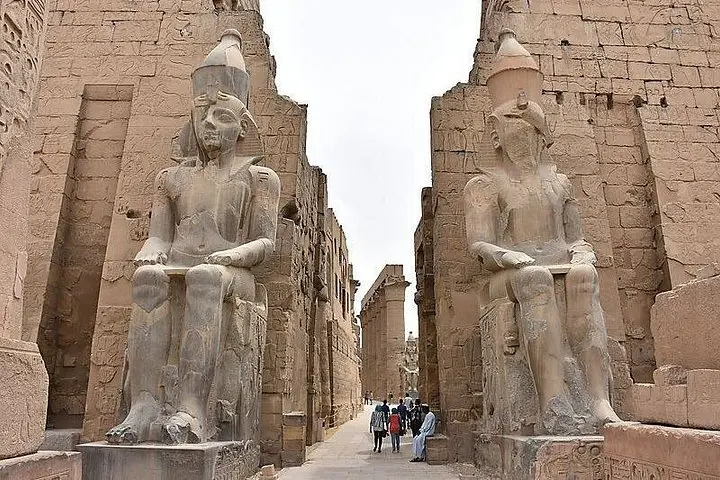
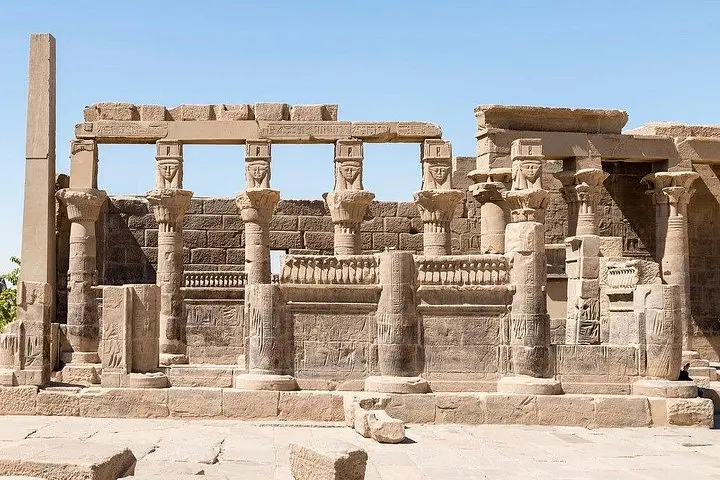
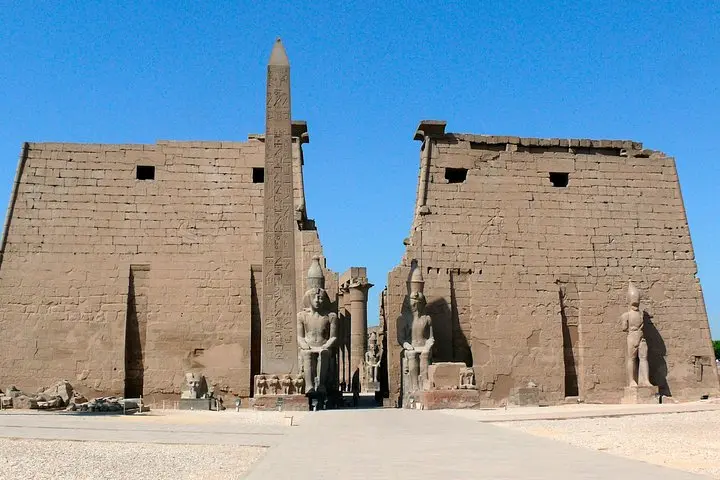
This four‑day itinerary threads together Philae, the Aswan High Dam, Abu Simbel, Kom Ombo, Edfu, Luxor Temple and the Valley of the Kings. These sites span millennia: Ptolemaic workshops at Edfu, New Kingdom mortuary complexes at Deir el‑Bahri, and the engineering story of the Aswan High Dam and the relocation of Abu Simbel in the 1960s. Geology is simple but telling — the Nile’s floodplain carves a fertile ribbon through granite and sandstone plateaus that supported ancient builders and modern engineers alike. Local culture is a mix of Nubian traditions near Aswan and Theban funerary craft in Luxor; expect markets, local guides steeped in Egyptology, and small hospitality gestures like tea on shaded banks.
Practically, mornings are for shore excursions and afternoons for sailing and onboard meals. Wear sturdy walking shoes for temple stairs and gritty desert paths; bring sun protection and a reusable water bottle. Transfers are by AC minibus; cabins include standard cruise facilities and Wi‑Fi allowances. Plan extra time for passport checks and temple entry lines, and budget for optional gratuities and side‑excursions. The cruise balances relaxed river travel with concentrated archaeological exploration — it’s an accessible way to experience southern Egypt’s most iconic sites without constant repacking.
You must carry your passport at all times; guides typically handle group entry but officers may request passports at major sites like Abu Simbel.
Yes — travel to Abu Simbel is several hours round trip from Aswan and often starts pre‑dawn; expect a long coach transfer or optional flights depending on the operator.
Meals listed per itinerary include breakfasts, lunches and dinners onboard; local restaurants or street food are available during some stops for independent exploration.
The cruise notes wheelchair accessibility for some areas, but many temples have steps and uneven ground — check specific accessibility needs with the operator before booking.
Best Of Egypt Tours operates guided outdoor trips and adventures with an emphasis on safety, stewardship, and memorable experiences.
The sun lifts off the Nile in Aswan, gilding the river into a slow, moving road of light as your five‑star cruise slips away from the quay. On deck, wind and water argue for attention while palm clusters and low desert ridges slide past — the landscape itself feels like a living museum guiding you upriver toward Luxor.
The sun lifts off the Nile in Aswan, gilding the river into a slow, moving road of light as your five‑star cruise slips away from the quay. On deck, wind and water argue for attention while palm clusters and low desert ridges slide past — the landscape itself feels like a living museum guiding you upriver toward Luxor.
This four‑day itinerary threads together Philae, the Aswan High Dam, Abu Simbel, Kom Ombo, Edfu, Luxor Temple and the Valley of the Kings. These sites span millennia: Ptolemaic workshops at Edfu, New Kingdom mortuary complexes at Deir el‑Bahri, and the engineering story of the Aswan High Dam and the relocation of Abu Simbel in the 1960s. Geology is simple but telling — the Nile’s floodplain carves a fertile ribbon through granite and sandstone plateaus that supported ancient builders and modern engineers alike. Local culture is a mix of Nubian traditions near Aswan and Theban funerary craft in Luxor; expect markets, local guides steeped in Egyptology, and small hospitality gestures like tea on shaded banks.
Practically, mornings are for shore excursions and afternoons for sailing and onboard meals. Wear sturdy walking shoes for temple stairs and gritty desert paths; bring sun protection and a reusable water bottle. Transfers are by AC minibus; cabins include standard cruise facilities and Wi‑Fi allowances. Plan extra time for passport checks and temple entry lines, and budget for optional gratuities and side‑excursions. The cruise balances relaxed river travel with concentrated archaeological exploration — it’s an accessible way to experience southern Egypt’s most iconic sites without constant repacking.