THE ADVENTURE COLLECTIVE® · Independent discovery and booking for outdoor travel

Cross the Nile between Aswan and Luxor on a three‑night cruise with sleeping‑train transfers to Cairo and a sunrise hot‑air balloon over Luxor’s ancient necropolis. Expect early mornings, monumental temples and a pace that alternates between river calm and archaeological intensity.
Cross the Nile between Aswan and Luxor on a three‑night cruise with sleeping‑train transfers to Cairo and a sunrise hot‑air balloon over Luxor’s ancient necropolis. Expect early mornings, monumental temples and a pace that alternates between river calm and archaeological intensity.
You step onto the train platform in Cairo as night swallows the city lights and the sleeping train hums toward the deep south — a slow, steady pulse that carries you to the palm-lined channels of the Nile.
Verified experiences and guided adventures in the surrounding area.
Operated by Nile Prince Travel · Luxor, Luxor Governorate
You step onto the train platform in Cairo as night swallows the city lights and the sleeping train hums toward the deep south — a slow, steady pulse that carries you to the palm-lined channels of the Nile.
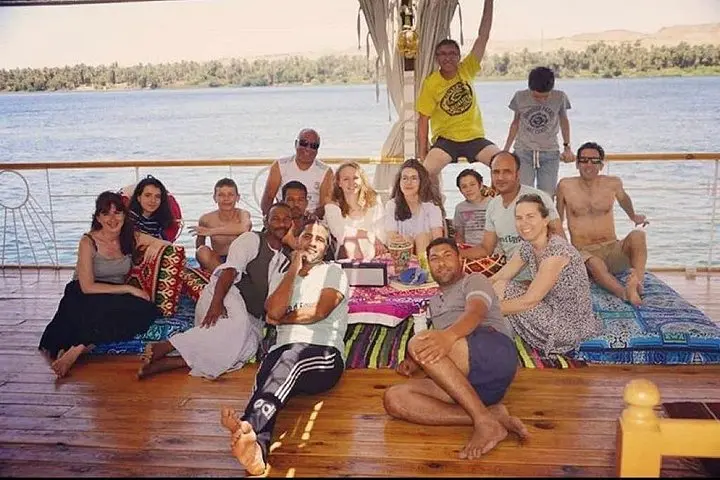
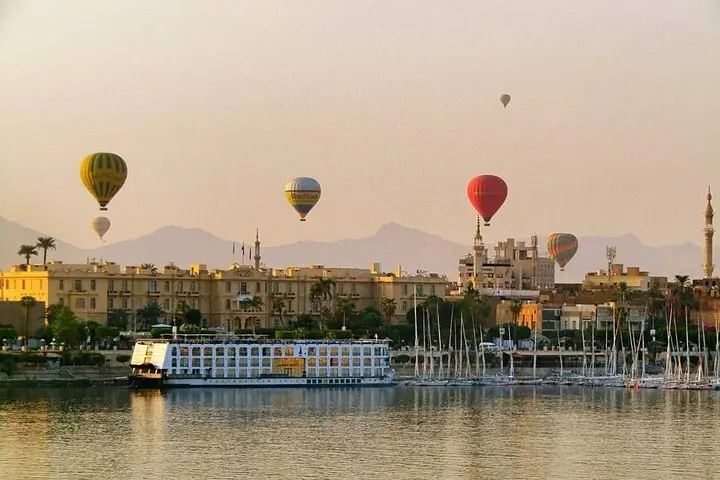
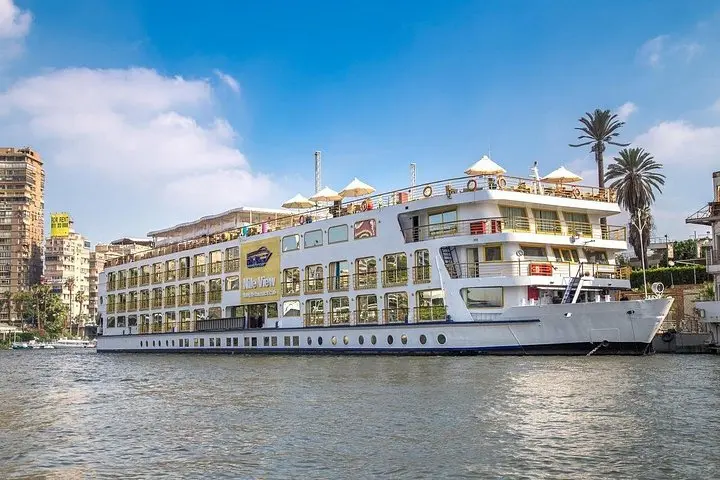
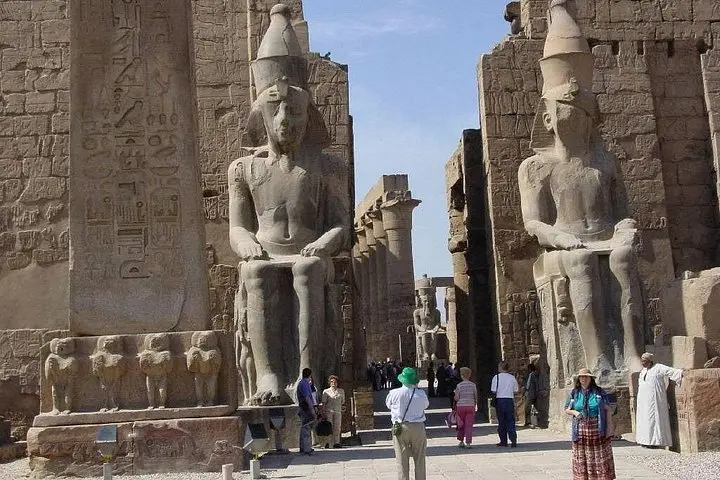
From Aswan the river takes the lead: three nights aboard a mid‑river cruise give space between temples, mornings on deck, and evenings lit by lanterns and conversation. You’ll disembark for Philae’s island sanctuaries, the monumental cut of Abu Simbel, Kom Ombo’s double temple, Edfu’s well-preserved pylons and, finally, Luxor’s Karnak, the Valley of the Kings and Hatshepsut’s terraces. A dawn hot-air balloon tugs you above the West Bank; the river below seems to push you forward, currents of history and agriculture ripping in slow motion.
Geology and human engineering meet here: the Aswan High Dam reshaped the floodplain and required the relocation of entire temples to save them from Lake Nasser’s rise. Culture remains tangible — Nubian towns, souks and boatmen who know every bend.
Practical guidance: expect early starts for balloon and temple tours, strong sun during the day and near‑flat, uneven stone surfaces at sites. Bring sun protection, a reusable water bottle, and comfortable walking shoes with grip. Entrance fees and some transfers may be excluded; confirm what’s included when booking. Accessibility options and private transfers are commonly available, but check specifics for the sleeping train berth type. Travel light between train and boat, carry copies of passport details, and budget time for security checks at major sites.
Balloon rides are operated by licensed local companies; the trip description lists balloon entrance but confirm whether the ride itself and insurance are included when you book.
Sleeping trains offer berth accommodation with basic facilities; classes vary — check whether a private compartment or shared berth is provided and if bedding and meals are included.
Many tour packages exclude some entrance fees; review the inclusions list and set aside cash or card for site admissions and optional guides inside tombs.
Transfers and some transport options are wheelchair accessible, but many archaeological sites have uneven terrain and stairs; contact the operator to confirm specific accessibility arrangements for each stop.
Nile Prince Travel operates guided outdoor trips and adventures with an emphasis on safety, stewardship, and memorable experiences.
You step onto the train platform in Cairo as night swallows the city lights and the sleeping train hums toward the deep south — a slow, steady pulse that carries you to the palm-lined channels of the Nile.
You step onto the train platform in Cairo as night swallows the city lights and the sleeping train hums toward the deep south — a slow, steady pulse that carries you to the palm-lined channels of the Nile.
From Aswan the river takes the lead: three nights aboard a mid‑river cruise give space between temples, mornings on deck, and evenings lit by lanterns and conversation. You’ll disembark for Philae’s island sanctuaries, the monumental cut of Abu Simbel, Kom Ombo’s double temple, Edfu’s well-preserved pylons and, finally, Luxor’s Karnak, the Valley of the Kings and Hatshepsut’s terraces. A dawn hot-air balloon tugs you above the West Bank; the river below seems to push you forward, currents of history and agriculture ripping in slow motion.
Geology and human engineering meet here: the Aswan High Dam reshaped the floodplain and required the relocation of entire temples to save them from Lake Nasser’s rise. Culture remains tangible — Nubian towns, souks and boatmen who know every bend.
Practical guidance: expect early starts for balloon and temple tours, strong sun during the day and near‑flat, uneven stone surfaces at sites. Bring sun protection, a reusable water bottle, and comfortable walking shoes with grip. Entrance fees and some transfers may be excluded; confirm what’s included when booking. Accessibility options and private transfers are commonly available, but check specifics for the sleeping train berth type. Travel light between train and boat, carry copies of passport details, and budget time for security checks at major sites.