THE ADVENTURE COLLECTIVE® · Independent discovery and booking for outdoor travel

Float downstream from Aswan over four days, visiting Philae, Kom Ombo, Edfu and Luxor’s temples. This river cruise pairs relaxed nights aboard with full days of archaeological highlights and practical local insight.
Float downstream from Aswan over four days, visiting Philae, Kom Ombo, Edfu and Luxor’s temples. This river cruise pairs relaxed nights aboard with full days of archaeological highlights and practical local insight.
The river opens like a slow-moving corridor of time as your cruise slips away from Aswan at dusk — palm shadows lengthen on the water, and the ship’s lights sketch a new skyline against rock and sand.
Verified experiences and guided adventures in the surrounding area.
Operated by Ramasside Tours · Aswan, Aswan Governorate
The river opens like a slow-moving corridor of time as your cruise slips away from Aswan at dusk — palm shadows lengthen on the water, and the ship’s lights sketch a new skyline against rock and sand.
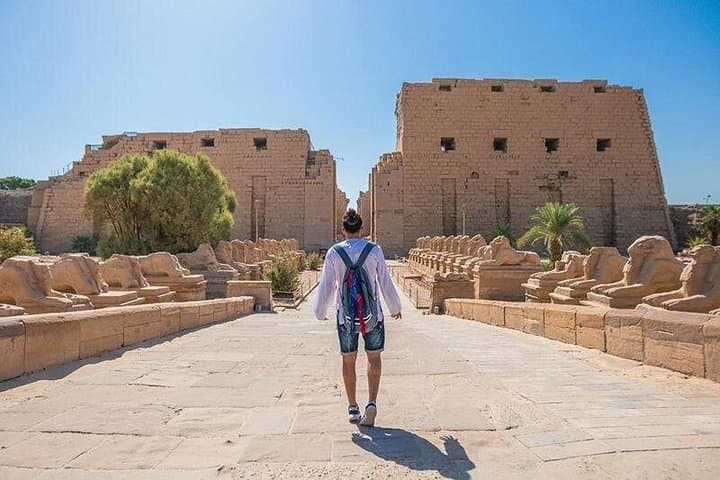
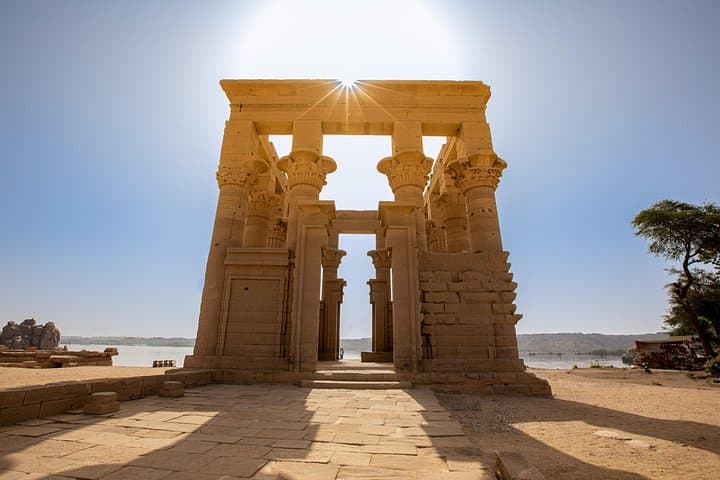
Over four days you move downstream through Egypt’s most concentrated strip of ancient monuments: the High Dam and Philae’s colonnaded island, the twin-faced temple at Kom Ombo, the well-preserved Temple of Horus at Edfu, and the layered complexes of Karnak and Luxor on the Nile’s eastern shore. Geologically the Nile carves a narrow fertile ribbon between desert escarpments; the silt-rich banks supported Egypt’s pharaonic civilizations and still host small agricultural plots and Nubian villages.
Culturally, the trip pairs the calm of river travel with intense visits to temples whose reliefs narrate politics, religion, and irrigation engineering. Expect staircases, uneven stone floors, and open courtyards dominated by columns and obelisks. The guide’s commentary ties iconography to dynasty names and explains how the High Dam reshaped modern Nile management.
Practical guidance: travel light but bring sun protection, a reusable water bottle, and closed-toe walking shoes for temple surfaces. Plan early-morning or late-afternoon temple visits to avoid peak heat; carry small change for tipping and local purchases. Modest dress is required inside religious sites. If you’re prone to motion sickness, choose a lower deck cabin and pace your shore excursions. With basic fitness and comfortable packing, this cruise is a direct, low-stress way to see the Nile’s headline sites while still feeling the river’s persistent pull.
Yes — the itinerary indicates admissions are included for the listed temple visits; verify details at booking for any optional activities like the hot air balloon.
Many areas and transportation options are accessible, but temple sites have uneven ground and steps; check specific mobility needs with the operator in advance.
Disembarkation occurs in Luxor on day four; extending your stay is common but requires arranging additional accommodation and transfers separately.
Yes — tipping is customary for guides, drivers, and cruise crew; bring small local currency for gratuities and small purchases.
Ramasside Tours operates guided outdoor trips and adventures with an emphasis on safety, stewardship, and memorable experiences.
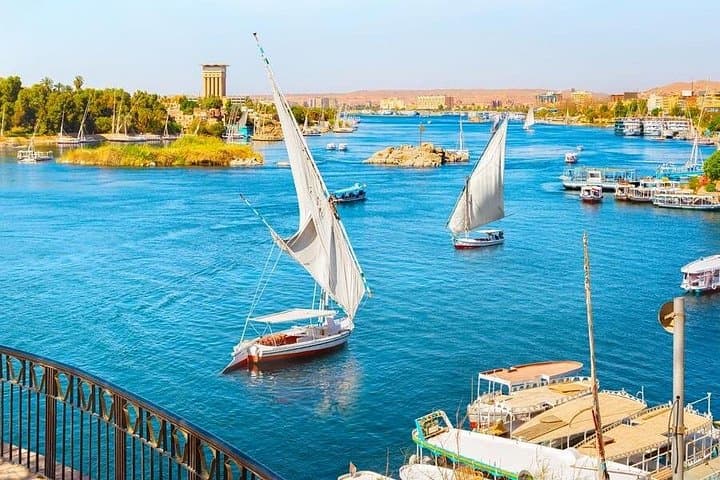
The river opens like a slow-moving corridor of time as your cruise slips away from Aswan at dusk — palm shadows lengthen on the water, and the ship’s lights sketch a new skyline against rock and sand.
The river opens like a slow-moving corridor of time as your cruise slips away from Aswan at dusk — palm shadows lengthen on the water, and the ship’s lights sketch a new skyline against rock and sand.
Over four days you move downstream through Egypt’s most concentrated strip of ancient monuments: the High Dam and Philae’s colonnaded island, the twin-faced temple at Kom Ombo, the well-preserved Temple of Horus at Edfu, and the layered complexes of Karnak and Luxor on the Nile’s eastern shore. Geologically the Nile carves a narrow fertile ribbon between desert escarpments; the silt-rich banks supported Egypt’s pharaonic civilizations and still host small agricultural plots and Nubian villages.
Culturally, the trip pairs the calm of river travel with intense visits to temples whose reliefs narrate politics, religion, and irrigation engineering. Expect staircases, uneven stone floors, and open courtyards dominated by columns and obelisks. The guide’s commentary ties iconography to dynasty names and explains how the High Dam reshaped modern Nile management.
Practical guidance: travel light but bring sun protection, a reusable water bottle, and closed-toe walking shoes for temple surfaces. Plan early-morning or late-afternoon temple visits to avoid peak heat; carry small change for tipping and local purchases. Modest dress is required inside religious sites. If you’re prone to motion sickness, choose a lower deck cabin and pace your shore excursions. With basic fitness and comfortable packing, this cruise is a direct, low-stress way to see the Nile’s headline sites while still feeling the river’s persistent pull.