THE ADVENTURE COLLECTIVE® · Independent discovery and booking for outdoor travel

Sail the Nile from Aswan to Luxor on a short multi-day cruise that pairs temple visits with an early-morning hot-air balloon and overnight train options. This practical guide outlines what to expect—terrain, timing, and the must-bring gear—so you can focus on the ancient sites and river views.
Sail the Nile from Aswan to Luxor on a short multi-day cruise that pairs temple visits with an early-morning hot-air balloon and overnight train options. This practical guide outlines what to expect—terrain, timing, and the must-bring gear—so you can focus on the ancient sites and river views.
You awake before dawn as the Nile slips by in low, glassy motion; papyrus reeds scrape the hull and a band of fishermen silhouette against a pale ribbon of sky. On this multi-day river run you move at the Nile’s pace—moored at small quays, drifting past farmland, and stepping ashore into stone carved three millennia ago.
Verified experiences and guided adventures in the surrounding area.
Operated by Nile Prince Travel · Aswan, Aswan Governorate
You awake before dawn as the Nile slips by in low, glassy motion; papyrus reeds scrape the hull and a band of fishermen silhouette against a pale ribbon of sky. On this multi-day river run you move at the Nile’s pace—moored at small quays, drifting past farmland, and stepping ashore into stone carved three millennia ago.
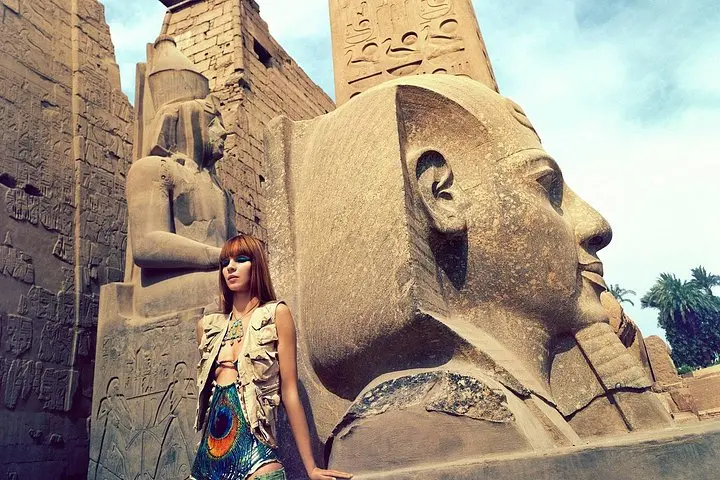
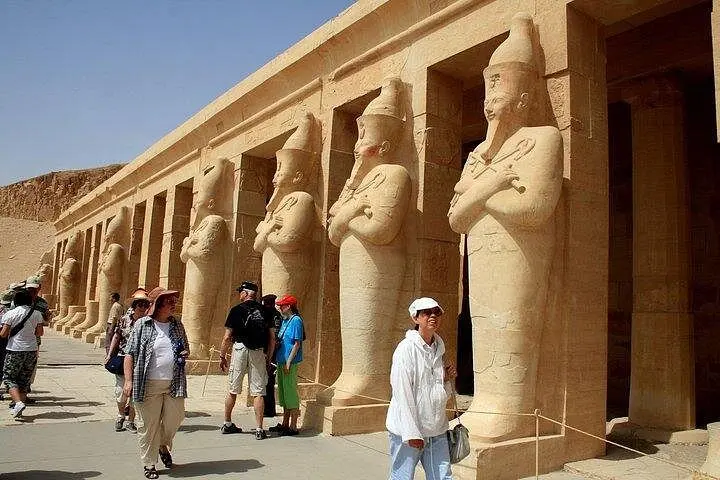
The route between Aswan and Luxor stitches together Pharaonic history: the towering columns of Karnak, the compact sanctuaries at Edfu and Kom Ombo, and the royal necropolis in the Valley of the Kings. Geologically the valley follows the Nile’s alluvial corridor—the river’s floodplain carved against arid escarpments—so transitions from broad riverbanks to layered limestone terraces happen quickly, and each temple sits as a deliberate interruption to the flat, dry landscape.
Culturally, Upper Egypt retains strong Nubian influences in Aswan—brightly painted houses, markets selling spices and dates—and a long history of river trade that made these stops cosmopolitan in antiquity.
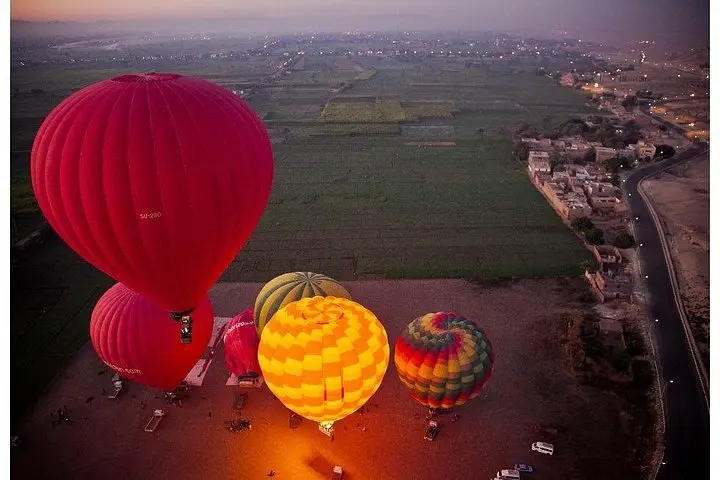
Practically: the experience blends relaxed cruising with guided walking tours and an early-morning hot-air balloon over Luxor. Expect multiple short walks across uneven temple stones, stairs inside tombs, and hot, sun-exposed conditions; elevation changes are minimal but footing is irregular. Bring sun protection, a refillable water bottle, and be ready for an early wake-up for ballooning. Transfers, train tickets, and most admissions are typically included—confirm which optional upgrades (like sleeping train cabins) you want before booking. The Nile dares you to slow down: do it with good shoes, plenty of water, and time to listen.
Yes—hot-air balloon entrance is listed as included; operators typically run flights at sunrise with a short transfer from your accommodation in Luxor.
Train tickets are included (first-class seated air-conditioned); an upgrade to a sleeping train is often available for an additional fee—confirm at booking.
Visits involve short to moderate walks, climbing stairs and navigating uneven stone surfaces; minimal elevation gain but not suitable for those unable to walk unassisted.
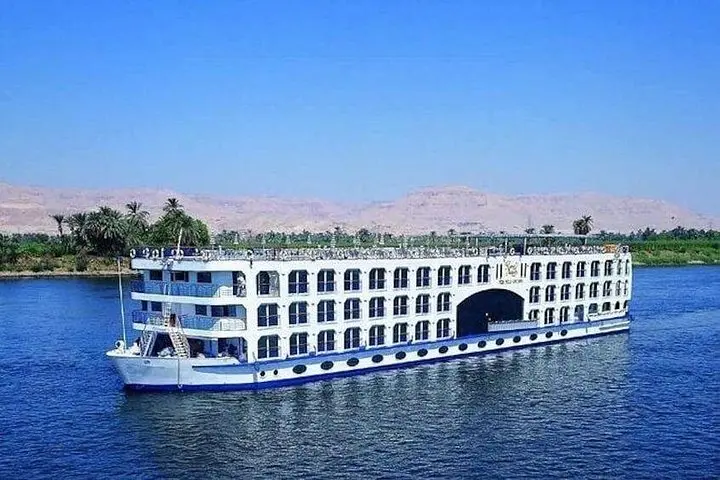
Most 5-star Nile cruise boats offer cabins with power and limited free Wi‑Fi (often capped); bring chargers and a power bank for excursions.
Nile Prince Travel operates guided outdoor trips and adventures with an emphasis on safety, stewardship, and memorable experiences.
You awake before dawn as the Nile slips by in low, glassy motion; papyrus reeds scrape the hull and a band of fishermen silhouette against a pale ribbon of sky. On this multi-day river run you move at the Nile’s pace—moored at small quays, drifting past farmland, and stepping ashore into stone carved three millennia ago.
You awake before dawn as the Nile slips by in low, glassy motion; papyrus reeds scrape the hull and a band of fishermen silhouette against a pale ribbon of sky. On this multi-day river run you move at the Nile’s pace—moored at small quays, drifting past farmland, and stepping ashore into stone carved three millennia ago.
The route between Aswan and Luxor stitches together Pharaonic history: the towering columns of Karnak, the compact sanctuaries at Edfu and Kom Ombo, and the royal necropolis in the Valley of the Kings. Geologically the valley follows the Nile’s alluvial corridor—the river’s floodplain carved against arid escarpments—so transitions from broad riverbanks to layered limestone terraces happen quickly, and each temple sits as a deliberate interruption to the flat, dry landscape.
Culturally, Upper Egypt retains strong Nubian influences in Aswan—brightly painted houses, markets selling spices and dates—and a long history of river trade that made these stops cosmopolitan in antiquity.
Practically: the experience blends relaxed cruising with guided walking tours and an early-morning hot-air balloon over Luxor. Expect multiple short walks across uneven temple stones, stairs inside tombs, and hot, sun-exposed conditions; elevation changes are minimal but footing is irregular. Bring sun protection, a refillable water bottle, and be ready for an early wake-up for ballooning. Transfers, train tickets, and most admissions are typically included—confirm which optional upgrades (like sleeping train cabins) you want before booking. The Nile dares you to slow down: do it with good shoes, plenty of water, and time to listen.