THE ADVENTURE COLLECTIVE® · Independent discovery and booking for outdoor travel

Sail the Nile from Aswan to Luxor on a three- to four-night cruise that pairs river calm with the raw presence of Abu Simbel, Kom Ombo, Edfu and Luxor’s ancient complexes. Read on for what to expect on decks, temples and shore transfers.
Sail the Nile from Aswan to Luxor on a three- to four-night cruise that pairs river calm with the raw presence of Abu Simbel, Kom Ombo, Edfu and Luxor’s ancient complexes. Read on for what to expect on decks, temples and shore transfers.
The boat slips away from Aswan before dawn, the Nile waking in bands of gold while the river pushes you north toward temples carved in stone and stories older than most maps.
Verified experiences and guided adventures in the surrounding area.
Operated by Egypt Travel Line · Aswan, Aswan Governorate
The boat slips away from Aswan before dawn, the Nile waking in bands of gold while the river pushes you north toward temples carved in stone and stories older than most maps.
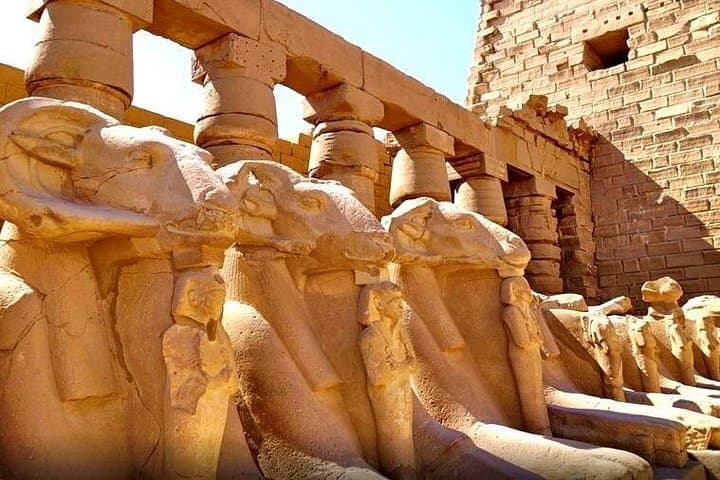
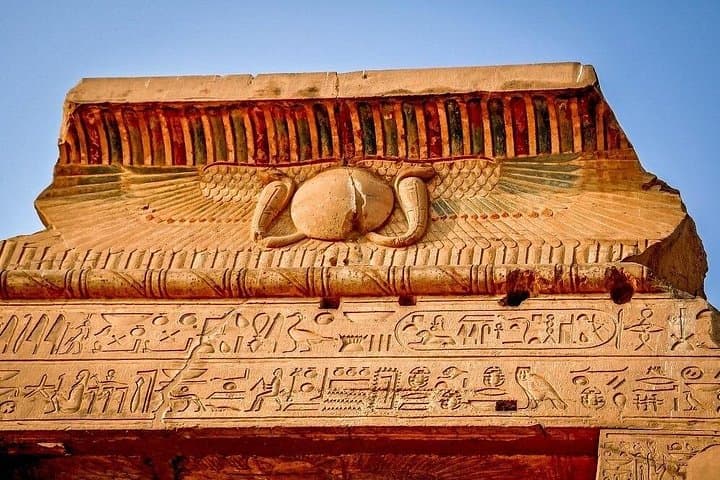
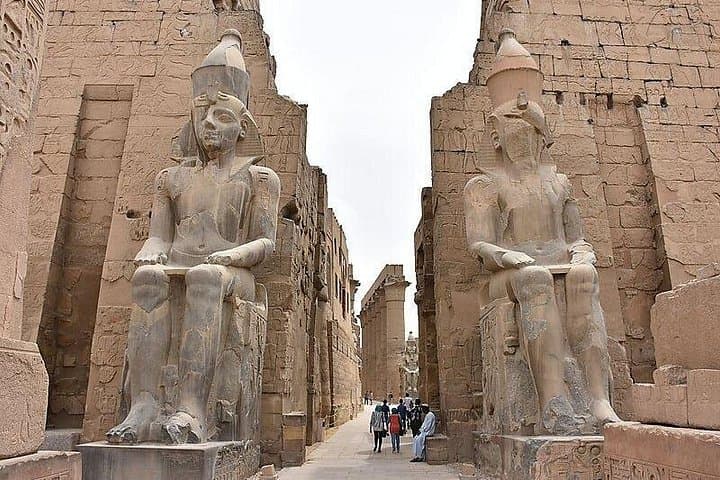
This three- to four-night Nile cruise threads Aswan to Luxor with a detour to Abu Simbel — a sequence of Ptolemaic and New Kingdom monuments: Philae’s island shrines, the massive seated colossi at Abu Simbel (relocated to avoid Lake Nasser), Kom Ombo’s twin shrines to Sobek and Horus, Edfu’s well-preserved Ptolemaic temple, and Luxor’s Karnak and the Valley of the Kings. Geology here is simple and decisive: sandstone and granite shaped both the river channel and the quarries that supplied pharaonic builders.
Culturally the cruise stitches Nubian life and modern Egyptian rhythms with guided Egyptology tours, horse-and-carriage rides in Luxor, and small-group land visits. Expect guided walks across open temple courts, shaded colonnades, and narrow tomb chambers where flash photography is restricted.
Practical edge: plan early starts (sites are hottest midday), wear breathable layers and closed-toe walking shoes, and carry a refillable water bottle. Most transfers are by air-conditioned minibus; the cruise includes meals, cabins, and guided entry to listed sites. Be ready for light boat motion, short walks on uneven stone, and variable stair sections in temples and tombs.
This itinerary is an efficient way to see Upper Egypt’s headline ancient sites while the Nile keeps you moving — slow enough to feel the river’s pull, structured enough to cover major archaeological highlights.
Most travelers require a visa for Egypt; check your nationality’s requirements and obtain either an e-visa before travel or arrange at arrival where applicable.
This cruise package includes guided visits and the sites listed in the itinerary—confirm specifics at booking for any optional extras or special tomb tickets.
The operator lists wheelchair-accessible transportation and surfaces, but some temple paths and tombs have steps; contact the provider to confirm accessibility for specific needs.
Fall through spring (October–April) offers milder daytime temperatures and more comfortable sightseeing than the peak summer heat.
Egypt Travel Line operates guided outdoor trips and adventures with an emphasis on safety, stewardship, and memorable experiences.
The boat slips away from Aswan before dawn, the Nile waking in bands of gold while the river pushes you north toward temples carved in stone and stories older than most maps.
The boat slips away from Aswan before dawn, the Nile waking in bands of gold while the river pushes you north toward temples carved in stone and stories older than most maps.
This three- to four-night Nile cruise threads Aswan to Luxor with a detour to Abu Simbel — a sequence of Ptolemaic and New Kingdom monuments: Philae’s island shrines, the massive seated colossi at Abu Simbel (relocated to avoid Lake Nasser), Kom Ombo’s twin shrines to Sobek and Horus, Edfu’s well-preserved Ptolemaic temple, and Luxor’s Karnak and the Valley of the Kings. Geology here is simple and decisive: sandstone and granite shaped both the river channel and the quarries that supplied pharaonic builders.
Culturally the cruise stitches Nubian life and modern Egyptian rhythms with guided Egyptology tours, horse-and-carriage rides in Luxor, and small-group land visits. Expect guided walks across open temple courts, shaded colonnades, and narrow tomb chambers where flash photography is restricted.
Practical edge: plan early starts (sites are hottest midday), wear breathable layers and closed-toe walking shoes, and carry a refillable water bottle. Most transfers are by air-conditioned minibus; the cruise includes meals, cabins, and guided entry to listed sites. Be ready for light boat motion, short walks on uneven stone, and variable stair sections in temples and tombs.
This itinerary is an efficient way to see Upper Egypt’s headline ancient sites while the Nile keeps you moving — slow enough to feel the river’s pull, structured enough to cover major archaeological highlights.