THE ADVENTURE COLLECTIVE® · Independent discovery and booking for outdoor travel

Glide the Nile between Aswan and Luxor on a three-night cruise that pairs sunrise temple visits with onboard comfort. From Abu Simbel’s relocated colossi to Karnak’s forest of columns, this itinerary condenses Egypt’s ancient highlights into a riverborn journey.
Glide the Nile between Aswan and Luxor on a three-night cruise that pairs sunrise temple visits with onboard comfort. From Abu Simbel’s relocated colossi to Karnak’s forest of columns, this itinerary condenses Egypt’s ancient highlights into a riverborn journey.
The sun strips gold across the Nile as a low-profile cruise eases away from Aswan—mattresses rattling, engines humming, and the river daring you to slow down and look. On deck, the shoreline slides by: palm fringes, sandstone cliffs, and the occasional village where laundry flaps like small flags. This is travel at the pace of the river, measured in obelisks and temple facades rather than miles per hour.
Verified experiences and guided adventures in the surrounding area.
Operated by Book Your Tours · Aswan, Aswan Governorate
The sun strips gold across the Nile as a low-profile cruise eases away from Aswan—mattresses rattling, engines humming, and the river daring you to slow down and look. On deck, the shoreline slides by: palm fringes, sandstone cliffs, and the occasional village where laundry flaps like small flags. This is travel at the pace of the river, measured in obelisks and temple facades rather than miles per hour.
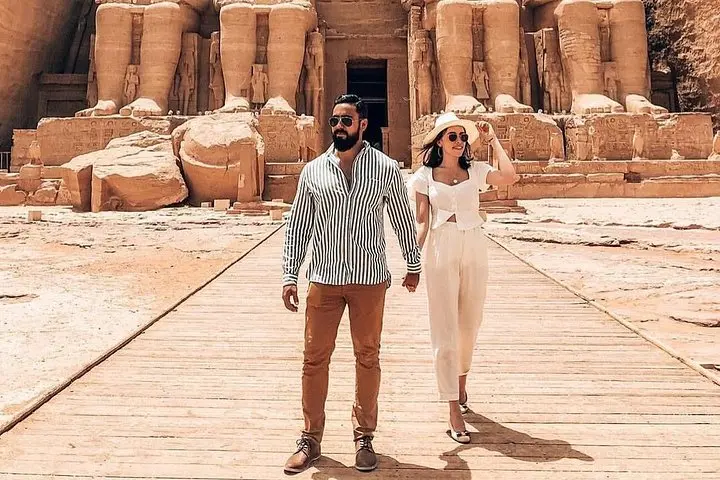
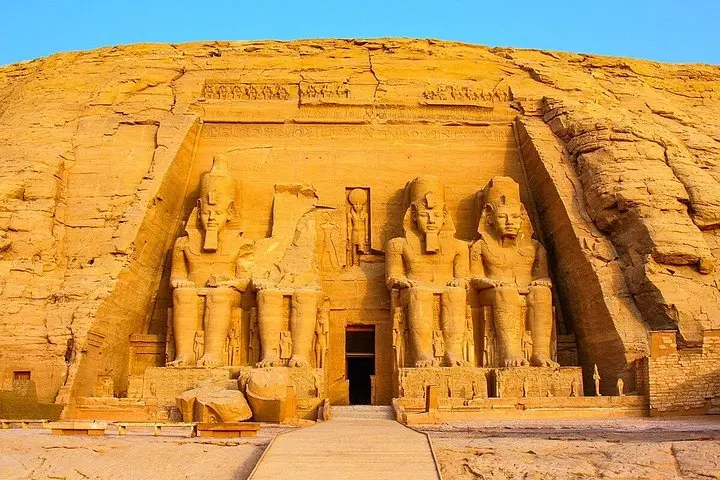
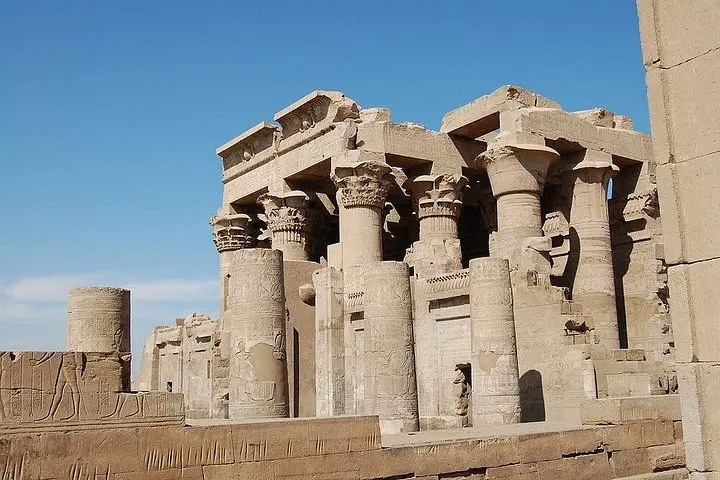
These four days stitch together millennia: Philae’s island shrines dedicated to Isis, Ramses II’s colossal faces at Abu Simbel (rebuilt and lifted above Lake Nasser in the 1960s), Kom Ombo’s twin sanctuaries to Sobek and Horus, and the Ptolemaic perfection of Edfu. Geologically the Nile corridor carves a ribbon of fertile alluvium through Nubian sandstone, concentrating settlement and sacred architecture on its banks.
Culturally, expect a mix of Egyptology briefings, local Nubian craft stalls, and the practical rhythms of cruise life—meals, briefings, and guided excursions by minibus or boat. Guides will translate hieroglyphs into their human stories: war, ritual, and imperial display.
For planning: travel with comfortable, grippy footwear for temple steps, a sun hat and sunblock for exposed sites, and a small daypack for water and camera. Morning visits dodge the heat and afternoon sails offer softer light for photography. Expect moderate walking on uneven stone floors and some short vehicle transfers; the cruise handles lodging and meals. Pack light, keep hydrated, and leave space in your bag for small archaeological souvenirs—just not fragments from the sites.
The itinerary usually includes an escorted transfer by road or domestic flight; this cruise arranges transport as part of the tour—confirm pickup details at booking.
Admission policies vary—this tour notes guided visits but check whether site entrance fees are covered or payable locally.
The listing indicates general accessibility and wheelchair-accessible transport, but specific temple access can be limited by steps—contact the operator for help with mobility needs.
October through April offers cooler temperatures and more comfortable touring conditions; summers are very hot and require extra sun protection.
Book Your Tours operates guided outdoor trips and adventures with an emphasis on safety, stewardship, and memorable experiences.
The sun strips gold across the Nile as a low-profile cruise eases away from Aswan—mattresses rattling, engines humming, and the river daring you to slow down and look. On deck, the shoreline slides by: palm fringes, sandstone cliffs, and the occasional village where laundry flaps like small flags. This is travel at the pace of the river, measured in obelisks and temple facades rather than miles per hour.
The sun strips gold across the Nile as a low-profile cruise eases away from Aswan—mattresses rattling, engines humming, and the river daring you to slow down and look. On deck, the shoreline slides by: palm fringes, sandstone cliffs, and the occasional village where laundry flaps like small flags. This is travel at the pace of the river, measured in obelisks and temple facades rather than miles per hour.
These four days stitch together millennia: Philae’s island shrines dedicated to Isis, Ramses II’s colossal faces at Abu Simbel (rebuilt and lifted above Lake Nasser in the 1960s), Kom Ombo’s twin sanctuaries to Sobek and Horus, and the Ptolemaic perfection of Edfu. Geologically the Nile corridor carves a ribbon of fertile alluvium through Nubian sandstone, concentrating settlement and sacred architecture on its banks.
Culturally, expect a mix of Egyptology briefings, local Nubian craft stalls, and the practical rhythms of cruise life—meals, briefings, and guided excursions by minibus or boat. Guides will translate hieroglyphs into their human stories: war, ritual, and imperial display.
For planning: travel with comfortable, grippy footwear for temple steps, a sun hat and sunblock for exposed sites, and a small daypack for water and camera. Morning visits dodge the heat and afternoon sails offer softer light for photography. Expect moderate walking on uneven stone floors and some short vehicle transfers; the cruise handles lodging and meals. Pack light, keep hydrated, and leave space in your bag for small archaeological souvenirs—just not fragments from the sites.