THE ADVENTURE COLLECTIVE® · Independent discovery and booking for outdoor travel

Sail the Nile between Aswan and Luxor on a multi-day cruise that pairs temple walks with shipboard comfort. Visit Abu Simbel, Philae, Kom Ombo, Edfu and Luxor — plus an early-morning hot-air balloon over the West Bank.
Sail the Nile between Aswan and Luxor on a multi-day cruise that pairs temple walks with shipboard comfort. Visit Abu Simbel, Philae, Kom Ombo, Edfu and Luxor — plus an early-morning hot-air balloon over the West Bank.
A cool predawn breeze lifts off the deck as the Nile nudges the boat forward; lights from riverine palms slide past and the ship’s pool glints like a small inland sky. On this multi-day Nile cruise between Aswan and Luxor you trade city traffic for a slow, measured river tempo where temples rise from the bank like built memories.
Verified experiences and guided adventures in the surrounding area.
Operated by Nile Prince Travel · Aswan, Aswan Governorate
A cool predawn breeze lifts off the deck as the Nile nudges the boat forward; lights from riverine palms slide past and the ship’s pool glints like a small inland sky. On this multi-day Nile cruise between Aswan and Luxor you trade city traffic for a slow, measured river tempo where temples rise from the bank like built memories.
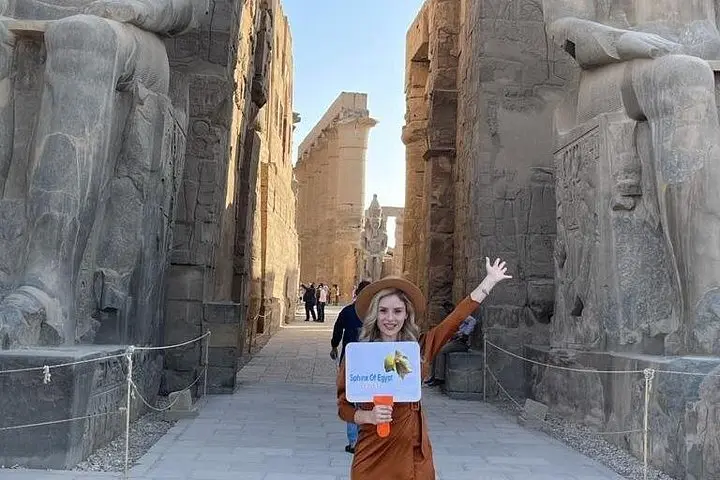
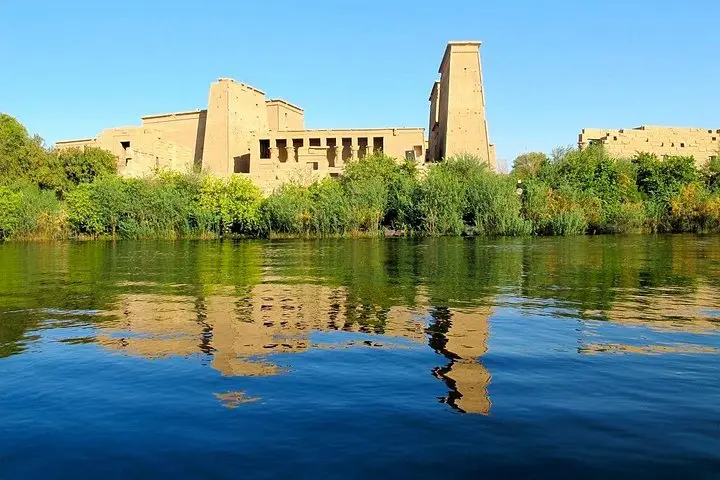
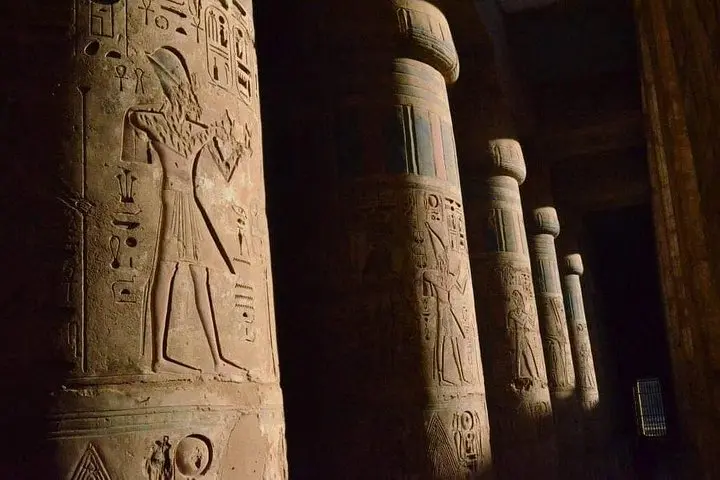
The Nile carved and fed Ancient Egypt; its floodplain made agriculture possible and gave rise to the temples you’ll visit — Abu Simbel’s monumental façades, the island sanctity of Philae, Kom Ombo’s dual shrines and Luxor’s Karnak complex. Many monuments date from the New Kingdom; others were moved or conserved in the 20th century during the creation of Lake Nasser, a logistical feat that saved Abu Simbel from inundation.
Expect guided walks across mostly flat, paved temple approaches and short stairs inside tombs and pylons. The itinerary mixes on-shore archaeology with comfortable shipboard life: full-board meals, an onboard pool and evening commentary from an Egyptologist. A hot-air balloon ride over the West Bank offers a different vantage on valley tombs; the river itself dares you to slow down and notice the birdlife and river traffic.
Practical advice: book mornings for temple visits (cooler, smaller crowds), carry cash for entry extras and tips, bring sun protection and sturdy shoes for uneven stone surfaces, and plan for early starts (Abu Simbel often means a pre-dawn transfer). The trip balances cultural depth with relaxed river travel, making it accessible for travellers ready for long days of walking and short bursts of strenuous heat.
Yes — this itinerary lists a hot-air balloon experience over the Luxor West Bank as part of the program; confirm timing with your operator since departures are pre-dawn.
Most visitors need a valid passport and many nationalities require a visa to enter Egypt; check requirements with your embassy well before travel.
The listing notes wheelchair-accessible options for transfers and some surfaces, but historic sites often have stairs and uneven ground; contact the operator to confirm accommodations for mobility needs.
Yes — full-board meals on the cruise and first-class train tickets (Cairo–Aswan–Luxor–Cairo) are included according to the itinerary.
Nile Prince Travel operates guided outdoor trips and adventures with an emphasis on safety, stewardship, and memorable experiences.
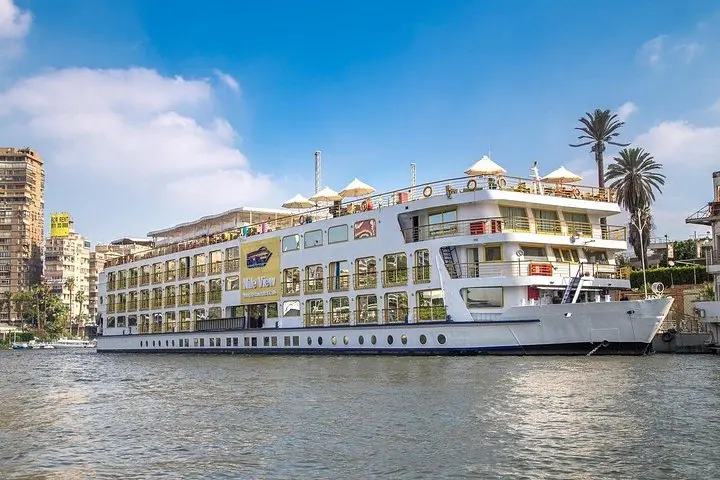
A cool predawn breeze lifts off the deck as the Nile nudges the boat forward; lights from riverine palms slide past and the ship’s pool glints like a small inland sky. On this multi-day Nile cruise between Aswan and Luxor you trade city traffic for a slow, measured river tempo where temples rise from the bank like built memories.
A cool predawn breeze lifts off the deck as the Nile nudges the boat forward; lights from riverine palms slide past and the ship’s pool glints like a small inland sky. On this multi-day Nile cruise between Aswan and Luxor you trade city traffic for a slow, measured river tempo where temples rise from the bank like built memories.
The Nile carved and fed Ancient Egypt; its floodplain made agriculture possible and gave rise to the temples you’ll visit — Abu Simbel’s monumental façades, the island sanctity of Philae, Kom Ombo’s dual shrines and Luxor’s Karnak complex. Many monuments date from the New Kingdom; others were moved or conserved in the 20th century during the creation of Lake Nasser, a logistical feat that saved Abu Simbel from inundation.
Expect guided walks across mostly flat, paved temple approaches and short stairs inside tombs and pylons. The itinerary mixes on-shore archaeology with comfortable shipboard life: full-board meals, an onboard pool and evening commentary from an Egyptologist. A hot-air balloon ride over the West Bank offers a different vantage on valley tombs; the river itself dares you to slow down and notice the birdlife and river traffic.
Practical advice: book mornings for temple visits (cooler, smaller crowds), carry cash for entry extras and tips, bring sun protection and sturdy shoes for uneven stone surfaces, and plan for early starts (Abu Simbel often means a pre-dawn transfer). The trip balances cultural depth with relaxed river travel, making it accessible for travellers ready for long days of walking and short bursts of strenuous heat.