THE ADVENTURE COLLECTIVE® · Independent discovery and booking for outdoor travel
Board a Nile cruise that threads Aswan and Luxor with a dawn visit to Abu Simbel and sleeping-train legs to Cairo. This itinerary mixes calm river travel with sunrise temple visits and guided walks through some of Egypt’s most iconic sites.
Board a Nile cruise that threads Aswan and Luxor with a dawn visit to Abu Simbel and sleeping-train legs to Cairo. This itinerary mixes calm river travel with sunrise temple visits and guided walks through some of Egypt’s most iconic sites.
Dawn throws a pale gold across the Nile as the cruise slides away from Aswan, palm-lined banks and mud-brick Nubian villages passing like a slow film reel. On deck, the river smells of dust and date, and the boat’s engine hum becomes the steady tempo for a journey through 3,000 years of civilization.
Verified experiences and guided adventures in the surrounding area.
Operated by Special trips · Aswan, Aswan Governorate
Dawn throws a pale gold across the Nile as the cruise slides away from Aswan, palm-lined banks and mud-brick Nubian villages passing like a slow film reel. On deck, the river smells of dust and date, and the boat’s engine hum becomes the steady tempo for a journey through 3,000 years of civilization.
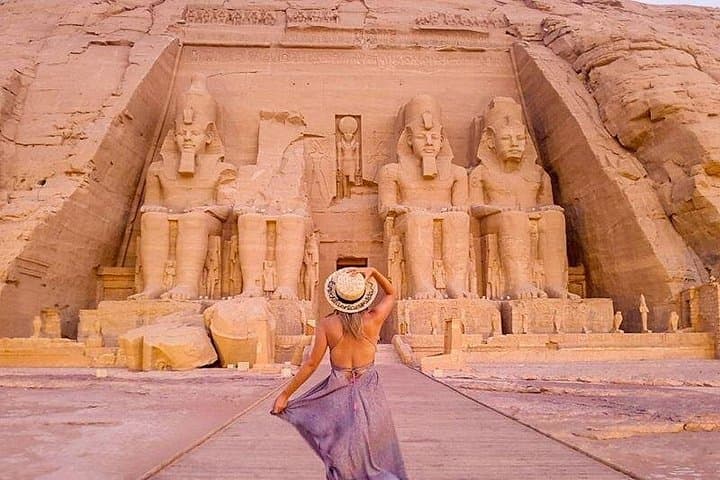
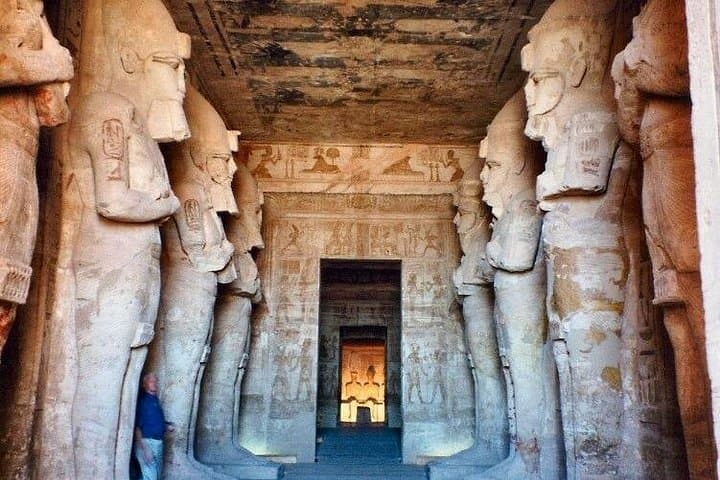
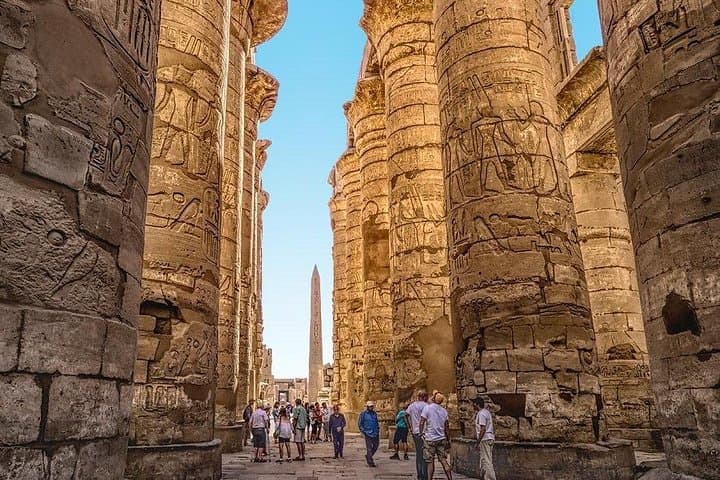
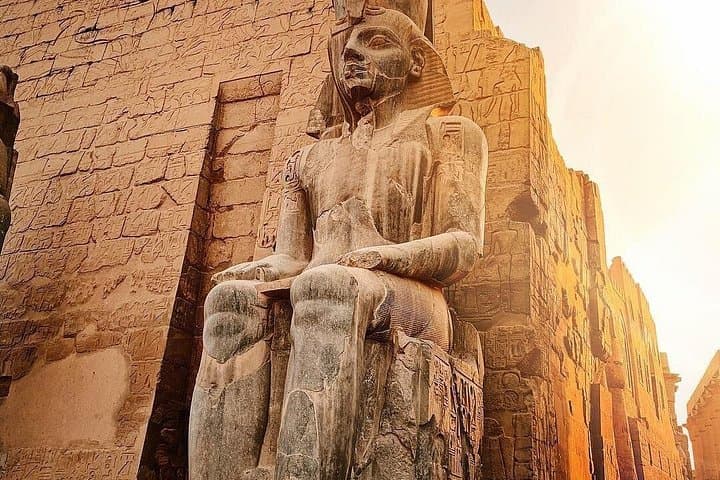
Across the itinerary you’ll walk where pharaohs planned processions: Abu Simbel’s colossal Ramses II guards the desert horizon; Philae sits reclaimed on Agilkia Island after the High Dam’s rise; Edfu and Kom Ombo reveal different ritual geometries; Karnak’s Hypostyle Hall stands under a canopy of 134 columns, each roughly 70 feet tall. Geology is plain here — sandstone cliffs hewn by the Nile and alluvial plains that made ancient agriculture possible. Culture shifts visibly between Nubian settlements near Aswan and the grand, sand-swept monuments around Luxor.
Practical details are straightforward: expect short guided walks at each site (hundreds of meters on mostly flat terrain, some stairs at tombs), early starts (Abu Simbel tours often leave around 5:00 a.m.), and overnight sleeping-train segments to and from Cairo. Hydrate aggressively, wear sun protection and breathable layers, and carry local cash for tips and market purchases. Respect site rules: no leaning on reliefs, follow your Egyptologist guide, and allow extra time for immigration or port formalities.
This trip balances slow river travel with intense site visits — an accessible way to move through Egypt’s long human story while keeping the practicalities of transport, heat, and timing firmly in view.
Yes—Abu Simbel is included; the typical shore visit begins very early (around 5:00 a.m.) and lasts roughly 2–3 hours including transfers.
Most nationalities require an Egyptian entry visa—verify current regulations before travel and carry passport copies; your operator can advise on transfers and paperwork.
Expect hundreds of meters of walking at temples and the Valley of the Kings, with some stairs and uneven surfaces; minimal elevation change but limited accessibility in certain tombs.
This tour includes full board on the cruise, selected meals, sleeping train tickets, and door-to-door transfers from Cairo/Giza as listed in the itinerary.
Special trips operates guided outdoor trips and adventures with an emphasis on safety, stewardship, and memorable experiences.
Dawn throws a pale gold across the Nile as the cruise slides away from Aswan, palm-lined banks and mud-brick Nubian villages passing like a slow film reel. On deck, the river smells of dust and date, and the boat’s engine hum becomes the steady tempo for a journey through 3,000 years of civilization.
Dawn throws a pale gold across the Nile as the cruise slides away from Aswan, palm-lined banks and mud-brick Nubian villages passing like a slow film reel. On deck, the river smells of dust and date, and the boat’s engine hum becomes the steady tempo for a journey through 3,000 years of civilization.
Across the itinerary you’ll walk where pharaohs planned processions: Abu Simbel’s colossal Ramses II guards the desert horizon; Philae sits reclaimed on Agilkia Island after the High Dam’s rise; Edfu and Kom Ombo reveal different ritual geometries; Karnak’s Hypostyle Hall stands under a canopy of 134 columns, each roughly 70 feet tall. Geology is plain here — sandstone cliffs hewn by the Nile and alluvial plains that made ancient agriculture possible. Culture shifts visibly between Nubian settlements near Aswan and the grand, sand-swept monuments around Luxor.
Practical details are straightforward: expect short guided walks at each site (hundreds of meters on mostly flat terrain, some stairs at tombs), early starts (Abu Simbel tours often leave around 5:00 a.m.), and overnight sleeping-train segments to and from Cairo. Hydrate aggressively, wear sun protection and breathable layers, and carry local cash for tips and market purchases. Respect site rules: no leaning on reliefs, follow your Egyptologist guide, and allow extra time for immigration or port formalities.
This trip balances slow river travel with intense site visits — an accessible way to move through Egypt’s long human story while keeping the practicalities of transport, heat, and timing firmly in view.
