THE ADVENTURE COLLECTIVE® · Independent discovery and booking for outdoor travel

Drift downstream from Aswan to Luxor on a two‑night Nile cruise, then rise at dawn in a hot air balloon above the West Bank. This compact route pairs intimate river life with major ancient sites—ideal for travelers who want history, culture, and a sunrise from the sky.
Drift downstream from Aswan to Luxor on a two‑night Nile cruise, then rise at dawn in a hot air balloon above the West Bank. This compact route pairs intimate river life with major ancient sites—ideal for travelers who want history, culture, and a sunrise from the sky.
Morning light over the Nile cuts a silver path as the cruise slips away from Aswan—cardboard-dry fields and green riverbank plots slide past while children wave from small boats. Over two nights aboard a 5‑star dahabiya-style ship, travelers move downstream through Nubian islands toward Luxor, disembarking to stand before stone that is older than many nations.
Verified experiences and guided adventures in the surrounding area.
Operated by Book Your Tours · Marsa Alam, Red Sea Governorate
Morning light over the Nile cuts a silver path as the cruise slips away from Aswan—cardboard-dry fields and green riverbank plots slide past while children wave from small boats. Over two nights aboard a 5‑star dahabiya-style ship, travelers move downstream through Nubian islands toward Luxor, disembarking to stand before stone that is older than many nations.
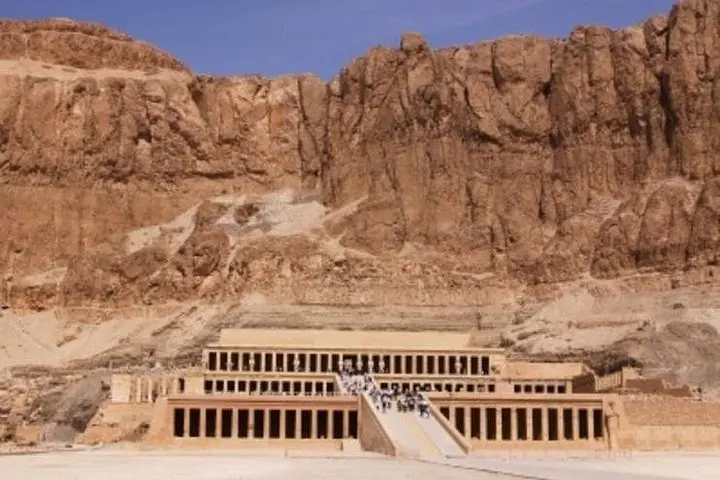
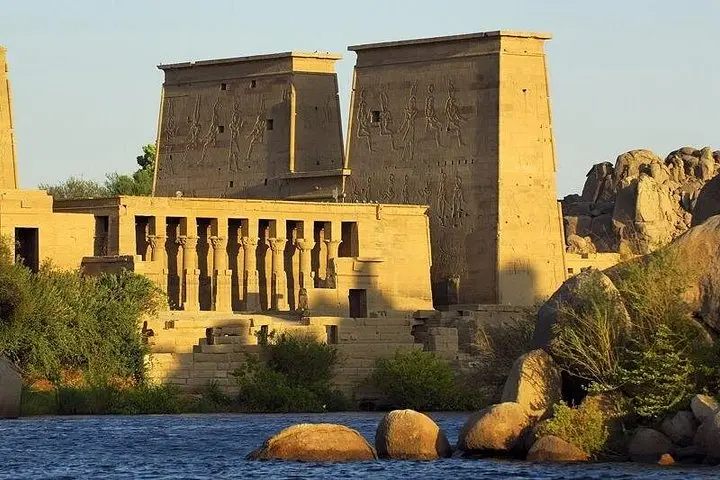
This itinerary stitches together eras: Pharaonic tombs in the Valley of the Kings, the Ptolemaic double temple at Kom Ombo, and the riverine villages whose livelihoods still follow annual rhythms set by the Nile. Geologically, the route follows a narrow river corridor carved through Precambrian basement rocks and later sedimentary bands—hills rise abruptly from the floodplain where ancient quarries supplied temple blocks.
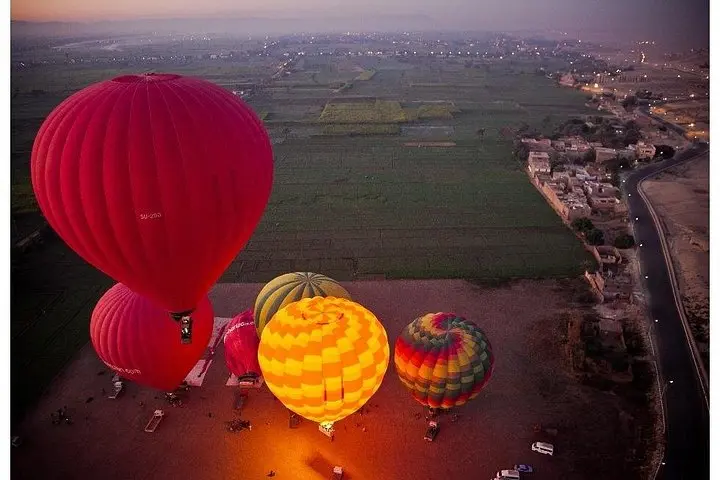
Culturally, expect warm, market-side interactions in small towns, horse-and-carriage rides at Edfu, and an Egyptology guide who frames hieroglyphs and pharaonic politics into readable stories. The hot air balloon over Luxor’s West Bank adds aerial perspective: rows of columns and the grid of the modern city beneath a quiet, wind-driven float.
Practical guidance: most walking is short but includes uneven stone steps and dusty tracks—sturdy walking shoes and a sun hat are essential. Hydrate in the dry heat, carry cash for local vendors and tips, and plan early starts around balloon launch times. Expect hotel pickup and private transfers; luggage is stored on board during excursions. For photographers, dawn and dusk provide the best light; for comfort, pack light layers for chilly early mornings in the desert.
Licensed operators follow weather and safety protocols; flights occur at dawn when winds are calm—listen to staff briefings and follow crew instructions.
Yes; this tour provides storage on board and private transfers—pack a small bag for dayside excursions and leave larger suitcases secured on the ship.
Many temple complexes have uneven ground and steps; while transport and some areas are accessible, tomb interiors typically are not fully wheelchair friendly.
Entry requirements vary by nationality—check Egyptian visa rules and routine travel vaccines; consult your physician for health advisories before travel.
Book Your Tours operates guided outdoor trips and adventures with an emphasis on safety, stewardship, and memorable experiences.
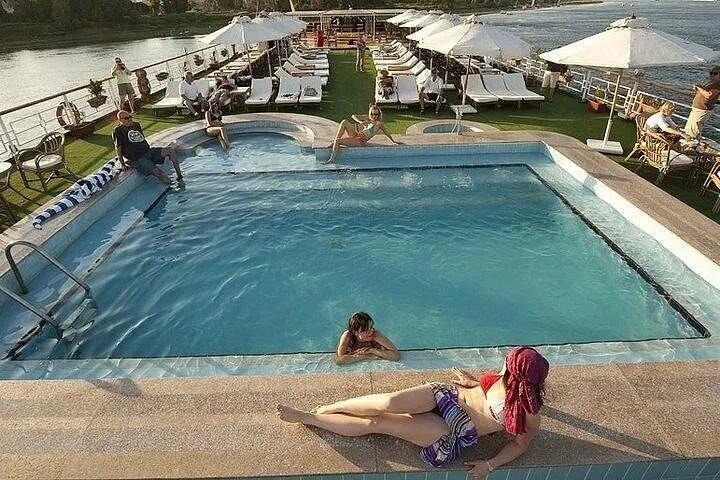
Morning light over the Nile cuts a silver path as the cruise slips away from Aswan—cardboard-dry fields and green riverbank plots slide past while children wave from small boats. Over two nights aboard a 5‑star dahabiya-style ship, travelers move downstream through Nubian islands toward Luxor, disembarking to stand before stone that is older than many nations.
Morning light over the Nile cuts a silver path as the cruise slips away from Aswan—cardboard-dry fields and green riverbank plots slide past while children wave from small boats. Over two nights aboard a 5‑star dahabiya-style ship, travelers move downstream through Nubian islands toward Luxor, disembarking to stand before stone that is older than many nations.
This itinerary stitches together eras: Pharaonic tombs in the Valley of the Kings, the Ptolemaic double temple at Kom Ombo, and the riverine villages whose livelihoods still follow annual rhythms set by the Nile. Geologically, the route follows a narrow river corridor carved through Precambrian basement rocks and later sedimentary bands—hills rise abruptly from the floodplain where ancient quarries supplied temple blocks.
Culturally, expect warm, market-side interactions in small towns, horse-and-carriage rides at Edfu, and an Egyptology guide who frames hieroglyphs and pharaonic politics into readable stories. The hot air balloon over Luxor’s West Bank adds aerial perspective: rows of columns and the grid of the modern city beneath a quiet, wind-driven float.
Practical guidance: most walking is short but includes uneven stone steps and dusty tracks—sturdy walking shoes and a sun hat are essential. Hydrate in the dry heat, carry cash for local vendors and tips, and plan early starts around balloon launch times. Expect hotel pickup and private transfers; luggage is stored on board during excursions. For photographers, dawn and dusk provide the best light; for comfort, pack light layers for chilly early mornings in the desert.