THE ADVENTURE COLLECTIVE® · Independent discovery and booking for outdoor travel

Float over Luxor at sunrise, then board a short Nile cruise that links Karnak, the Valley of the Kings, Edfu and Kom Ombo before a day trip to Abu Simbel. This compact itinerary blends a sunrise balloon flight with classic riverside temple visits and onboard comforts.
Float over Luxor at sunrise, then board a short Nile cruise that links Karnak, the Valley of the Kings, Edfu and Kom Ombo before a day trip to Abu Simbel. This compact itinerary blends a sunrise balloon flight with classic riverside temple visits and onboard comforts.
Dawn lifts off over the west bank of Luxor, and the hot-air balloon drifts above the scattered columns and tomb‑cut cliffs as the Nile narrows below. The boat awaits at the quay — low, white, and steady — ready to carry you downstream past palm fringes and limestone bluffs toward Edfu, Kom Ombo and the shadow of Abu Simbel.
Verified experiences and guided adventures in the surrounding area.
Operated by Nice tours · Luxor, Luxor Governorate
Dawn lifts off over the west bank of Luxor, and the hot-air balloon drifts above the scattered columns and tomb‑cut cliffs as the Nile narrows below. The boat awaits at the quay — low, white, and steady — ready to carry you downstream past palm fringes and limestone bluffs toward Edfu, Kom Ombo and the shadow of Abu Simbel.
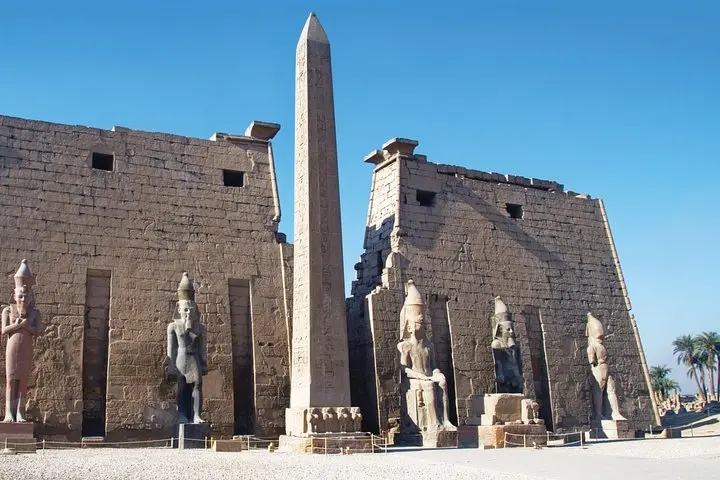
This short cruise threads modern comforts with millennia-old monuments. Karnak’s forest of columns and the West Bank’s painted tombs in the Valley of the Kings show New Kingdom power; Kom Ombo’s dual sanctuaries and Edfu’s Horus temple reveal Greek‑period additions and precise sandstone carving. Geologically, the Nile corridor slices alluvial silt and exposed Nubian sandstone, creating the ribbon of green that sustained pharaonic cities for millennia.
Local culture centers on river life: feluccas, small market towns and hospitality aboard a 5‑star cruiser. Guides are typically Egyptologists who translate hieroglyphic scenes into human stories.
Practical guidance: expect early starts for the balloon and Abu Simbel transfer, light walking on uneven stone, and time aboard the vessel between visits. Hydrate — desert air is dry — and bring sun protection for temple courtyards. Dress respectfully in breathable layers; temple interiors can be cool compared to the sunlit open areas.
Timing matters: sunrise balloon flights deliver the clearest light; the Abu Simbel visit is a long morning excursion with a 3‑5 hour coach or flight option. Prepare camera batteries and a small daypack for temple walks — the river and monuments reward patience with scale and detail that linger long after you leave.
Yes, the itinerary includes a sunrise hot-air balloon flight; operators follow standard safety checks and briefings — expect briefings and a gentle landing.
Most nationalities require an Egyptian visa and a passport valid for six months; check current entry rules and bring printed or mobile confirmations.
Physical demands are light: walking over uneven ground and climbing short staircases; transfers and some early starts are the main considerations.
Yes — the trip includes an early-morning transfer to Abu Simbel, typically via group coach or included flight option and a guided visit to the twin temples.
Nice tours operates guided outdoor trips and adventures with an emphasis on safety, stewardship, and memorable experiences.
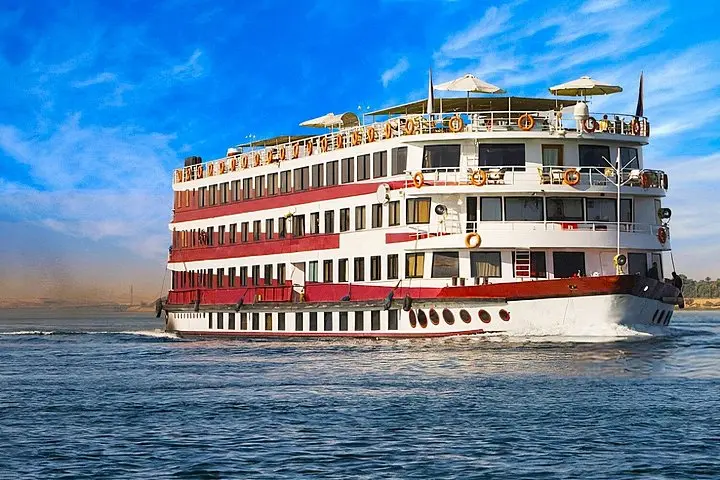
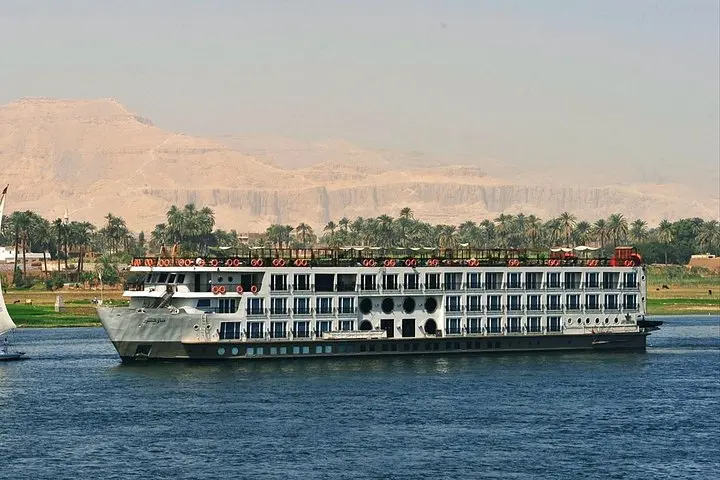
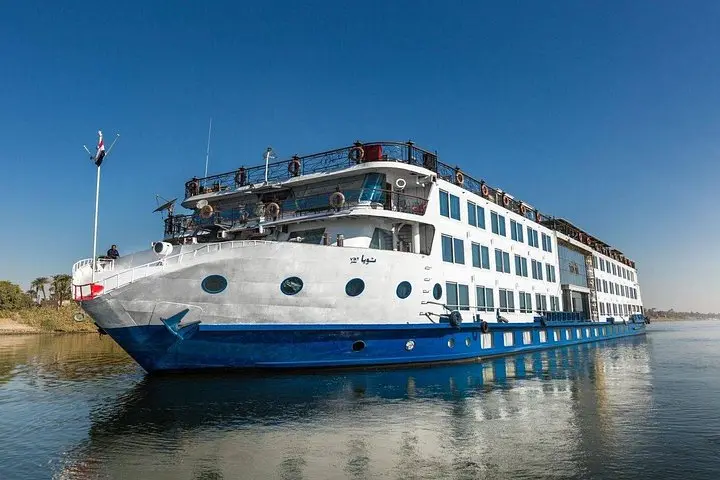
Dawn lifts off over the west bank of Luxor, and the hot-air balloon drifts above the scattered columns and tomb‑cut cliffs as the Nile narrows below. The boat awaits at the quay — low, white, and steady — ready to carry you downstream past palm fringes and limestone bluffs toward Edfu, Kom Ombo and the shadow of Abu Simbel.
Dawn lifts off over the west bank of Luxor, and the hot-air balloon drifts above the scattered columns and tomb‑cut cliffs as the Nile narrows below. The boat awaits at the quay — low, white, and steady — ready to carry you downstream past palm fringes and limestone bluffs toward Edfu, Kom Ombo and the shadow of Abu Simbel.
This short cruise threads modern comforts with millennia-old monuments. Karnak’s forest of columns and the West Bank’s painted tombs in the Valley of the Kings show New Kingdom power; Kom Ombo’s dual sanctuaries and Edfu’s Horus temple reveal Greek‑period additions and precise sandstone carving. Geologically, the Nile corridor slices alluvial silt and exposed Nubian sandstone, creating the ribbon of green that sustained pharaonic cities for millennia.
Local culture centers on river life: feluccas, small market towns and hospitality aboard a 5‑star cruiser. Guides are typically Egyptologists who translate hieroglyphic scenes into human stories.
Practical guidance: expect early starts for the balloon and Abu Simbel transfer, light walking on uneven stone, and time aboard the vessel between visits. Hydrate — desert air is dry — and bring sun protection for temple courtyards. Dress respectfully in breathable layers; temple interiors can be cool compared to the sunlit open areas.
Timing matters: sunrise balloon flights deliver the clearest light; the Abu Simbel visit is a long morning excursion with a 3‑5 hour coach or flight option. Prepare camera batteries and a small daypack for temple walks — the river and monuments reward patience with scale and detail that linger long after you leave.