THE ADVENTURE COLLECTIVE® · Independent discovery and booking for outdoor travel

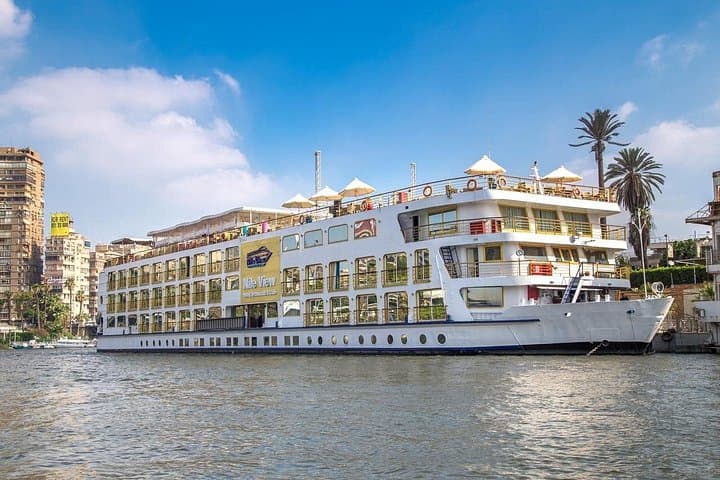
Skip the highway and travel the Nile: a two-night cruise from Luxor to Aswan that pairs sun-deck sailing with guided visits to Edfu and Kom Ombo. Relax in simple cabins, sip tea as islands drift past, and arrive in Aswan with new perspectives on Upper Egypt’s river life.
Skip the highway and travel the Nile: a two-night cruise from Luxor to Aswan that pairs sun-deck sailing with guided visits to Edfu and Kom Ombo. Relax in simple cabins, sip tea as islands drift past, and arrive in Aswan with new perspectives on Upper Egypt’s river life.
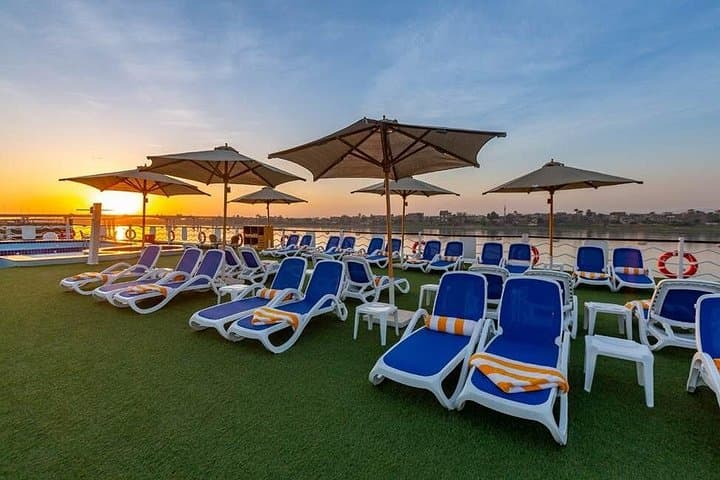
On the sun deck, steam from a sweet Egyptian tea lifts into the dry Upper Egyptian air as the Nile slips past—small boats bobbing, palm-lined islets, and mud-brick villages that seem to watch the river go by.
Verified experiences and guided adventures in the surrounding area.
Operated by Here Egypt Tours · Luxor, Luxor Governorate
On the sun deck, steam from a sweet Egyptian tea lifts into the dry Upper Egyptian air as the Nile slips past—small boats bobbing, palm-lined islets, and mud-brick villages that seem to watch the river go by.
This two-night cruise covers the classic Luxor-to-Aswan corridor: a relaxed transit through the Esna lock, a guided visit to Edfu’s Ptolemaic Temple of Horus by horse-and-carriage, and a sunset stop at Kom Ombo, the unusual double temple dedicated to Sobek and Horus. The river here cuts a fertile ribbon through limestone plateaus; its annual floods shaped the narrow cultivated strip that supports the villages you’ll pass.
Culturally, the route showcases Upper Egypt’s living Nile economy—fishing, river transport and small-scale farming—while the temples tell a layered story of Pharaonic, Greco-Roman and Coptic eras. Expect photogenic contrasts: grazing cattle at the water’s edge and the clean architectural lines of Ptolemaic stone.
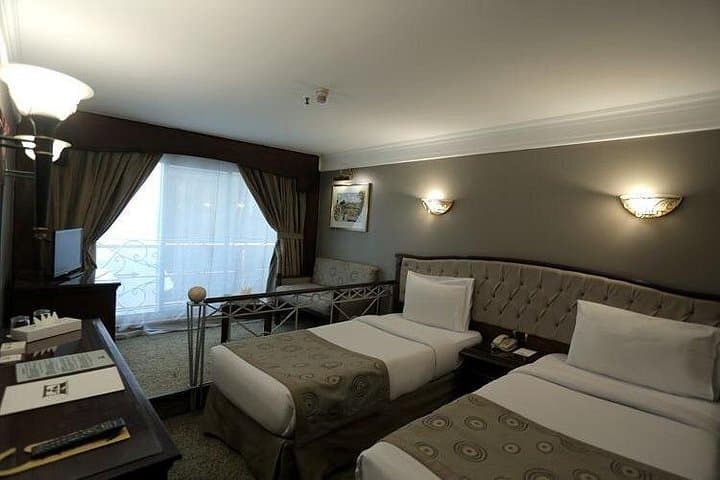
Practical notes: cabins are modest with basic facilities and included meals (lunch first day through breakfast final morning). Mornings start early for temple visits; afternoons are downtime on deck. Bring sun protection, a modest outfit for temples that covers shoulders and knees, and small bills for tips and local purchases. The cruise is gentle physically—mostly sitting and short guided walks—so it suits most travelers, though temperatures can spike in summer. Plan for dust, bright sun, and the scent of river smoke at night; the Nile’s current will carry you steadily toward Aswan and the end of a compact, historically dense voyage.
The trip is two nights (roughly 48–72 hours depending on schedule); typical inclusions are cabin accommodation, meals as specified, guided temple visits, transfers in Luxor/Aswan, and selected local tours.
Most itineraries include guided visits, but confirm whether official entry tickets are included or payable locally; bring ID for ticketing if required.
Yes—pickups are typically offered from hotels, train station, or the airport; confirm your pickup point when booking and note potential extra fees for west-bank hotels.
The cruise is generally family-friendly and low-impact, but boarding ramps and temple approaches may present challenges for those with limited mobility—notify the operator in advance for assistance.
Here Egypt Tours operates guided outdoor trips and adventures with an emphasis on safety, stewardship, and memorable experiences.

On the sun deck, steam from a sweet Egyptian tea lifts into the dry Upper Egyptian air as the Nile slips past—small boats bobbing, palm-lined islets, and mud-brick villages that seem to watch the river go by.
On the sun deck, steam from a sweet Egyptian tea lifts into the dry Upper Egyptian air as the Nile slips past—small boats bobbing, palm-lined islets, and mud-brick villages that seem to watch the river go by.
This two-night cruise covers the classic Luxor-to-Aswan corridor: a relaxed transit through the Esna lock, a guided visit to Edfu’s Ptolemaic Temple of Horus by horse-and-carriage, and a sunset stop at Kom Ombo, the unusual double temple dedicated to Sobek and Horus. The river here cuts a fertile ribbon through limestone plateaus; its annual floods shaped the narrow cultivated strip that supports the villages you’ll pass.
Culturally, the route showcases Upper Egypt’s living Nile economy—fishing, river transport and small-scale farming—while the temples tell a layered story of Pharaonic, Greco-Roman and Coptic eras. Expect photogenic contrasts: grazing cattle at the water’s edge and the clean architectural lines of Ptolemaic stone.
Practical notes: cabins are modest with basic facilities and included meals (lunch first day through breakfast final morning). Mornings start early for temple visits; afternoons are downtime on deck. Bring sun protection, a modest outfit for temples that covers shoulders and knees, and small bills for tips and local purchases. The cruise is gentle physically—mostly sitting and short guided walks—so it suits most travelers, though temperatures can spike in summer. Plan for dust, bright sun, and the scent of river smoke at night; the Nile’s current will carry you steadily toward Aswan and the end of a compact, historically dense voyage.