THE ADVENTURE COLLECTIVE® · Independent discovery and booking for outdoor travel

A four‑day Nile cruise from Luxor to Aswan that pairs major pharaonic sites with Coptic monasteries. Expect early starts, river time, and concentrated temple visits including Luxor, Edfu, Kom Ombo and Abu Simbel.
A four‑day Nile cruise from Luxor to Aswan that pairs major pharaonic sites with Coptic monasteries. Expect early starts, river time, and concentrated temple visits including Luxor, Edfu, Kom Ombo and Abu Simbel.
Sunrise lays a flat, golden band across the Nile as the boat slips from Luxor’s quay. The river moves like an old guide — steady, patient, daring you to slow down — while minarets and palm groves slide past the deck. This 3‑night, 4‑day cruise stitches together pharaonic temples, riverside villages and Coptic sanctuaries into a compact cultural voyage.
Verified experiences and guided adventures in the surrounding area.
Operated by travel to church · Luxor, Luxor Governorate
Sunrise lays a flat, golden band across the Nile as the boat slips from Luxor’s quay. The river moves like an old guide — steady, patient, daring you to slow down — while minarets and palm groves slide past the deck. This 3‑night, 4‑day cruise stitches together pharaonic temples, riverside villages and Coptic sanctuaries into a compact cultural voyage.
You’ll step from the boat into eras: the West Bank’s Valley of the Kings with tombs of Ramesses III and Merenptah, Hatshepsut’s limestone mortuary temple carved into cliff, then Karnak’s forest of columns — a record in sandstone of New Kingdom ambition. Geologically, the Nile valley is a ribbon of alluvial soil cut through desert rock; temples sit where stone outcrops offered solid foundations. Coptic footprints appear later — monasteries like El Rozikat preserve 18th–19th century church architecture built atop older Christian sites.
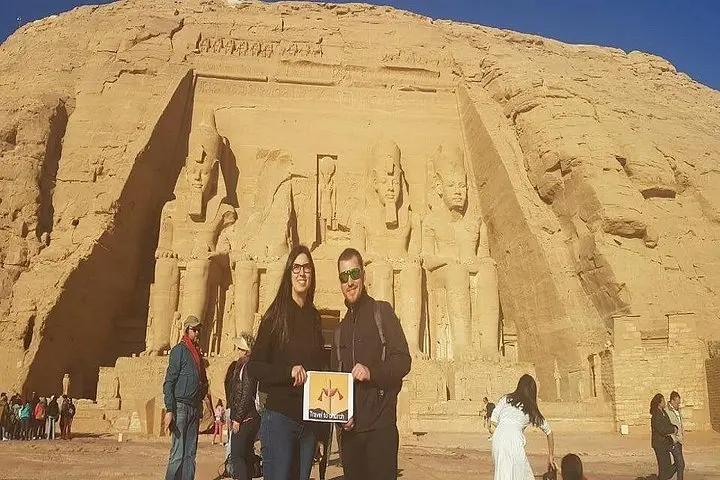
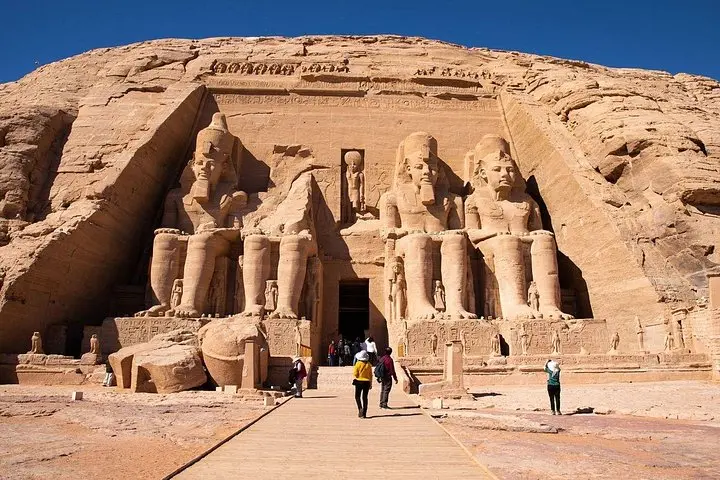
Expect dusty stone, steep temple steps, and enclosed, dim tomb passages; Edfu’s well‑preserved sandstone temple reveals sculpted reliefs, while Kom Ombo’s dual sanctuaries show ancient ritual geometry. Abu Simbel requires an early coach run from the boat — the colossal facades of Ramesses II are best seen at morning light.
Practical edge: plan for early starts, sun management, and a sturdy pair of shoes for uneven masonry and sand. Carry travel documents and local currency for small purchases and tips. The itinerary balances gentle sailing with intensive onshore exploration — rewarding for travelers who want concentrated archaeology and living Coptic culture without constant packing and hotel changes.
Most itineraries include an early morning coach transfer from the cruise or Aswan; expect a 3‑hour drive each way with a guided visit at the temple.
Standard packages typically include guided visits and local taxes, but check specifics for any optional entrance fees or private tomb permits.
Many operators accommodate infants and strollers for general movement but some temple interiors and tombs have narrow, uneven passages not suited to prams.
Tipping is customary in Egypt; plan modest tips for the guide, driver and boat crew, paid in local currency at trip’s end.
travel to church operates guided outdoor trips and adventures with an emphasis on safety, stewardship, and memorable experiences.
Sunrise lays a flat, golden band across the Nile as the boat slips from Luxor’s quay. The river moves like an old guide — steady, patient, daring you to slow down — while minarets and palm groves slide past the deck. This 3‑night, 4‑day cruise stitches together pharaonic temples, riverside villages and Coptic sanctuaries into a compact cultural voyage.
Sunrise lays a flat, golden band across the Nile as the boat slips from Luxor’s quay. The river moves like an old guide — steady, patient, daring you to slow down — while minarets and palm groves slide past the deck. This 3‑night, 4‑day cruise stitches together pharaonic temples, riverside villages and Coptic sanctuaries into a compact cultural voyage.
You’ll step from the boat into eras: the West Bank’s Valley of the Kings with tombs of Ramesses III and Merenptah, Hatshepsut’s limestone mortuary temple carved into cliff, then Karnak’s forest of columns — a record in sandstone of New Kingdom ambition. Geologically, the Nile valley is a ribbon of alluvial soil cut through desert rock; temples sit where stone outcrops offered solid foundations. Coptic footprints appear later — monasteries like El Rozikat preserve 18th–19th century church architecture built atop older Christian sites.
Expect dusty stone, steep temple steps, and enclosed, dim tomb passages; Edfu’s well‑preserved sandstone temple reveals sculpted reliefs, while Kom Ombo’s dual sanctuaries show ancient ritual geometry. Abu Simbel requires an early coach run from the boat — the colossal facades of Ramesses II are best seen at morning light.
Practical edge: plan for early starts, sun management, and a sturdy pair of shoes for uneven masonry and sand. Carry travel documents and local currency for small purchases and tips. The itinerary balances gentle sailing with intensive onshore exploration — rewarding for travelers who want concentrated archaeology and living Coptic culture without constant packing and hotel changes.