THE ADVENTURE COLLECTIVE® · Independent discovery and booking for outdoor travel

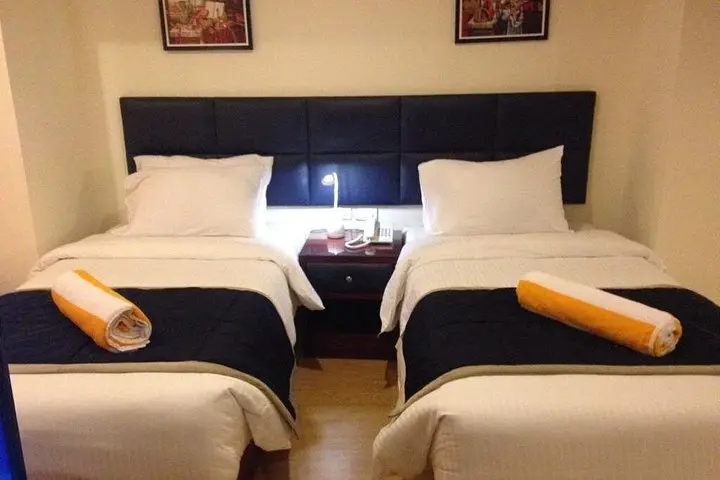
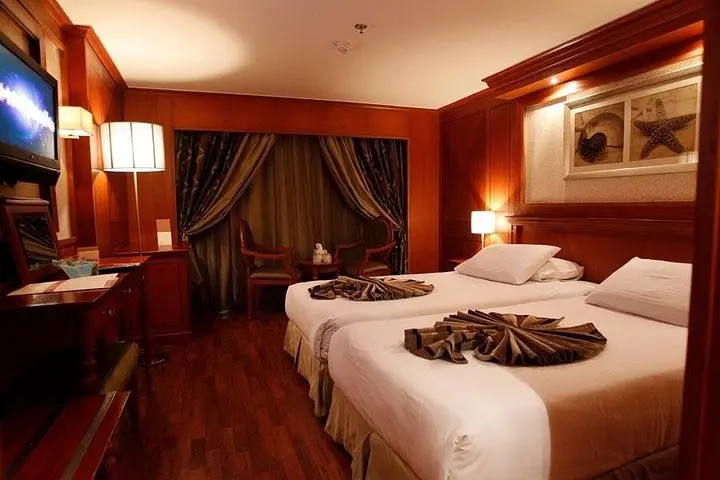
Drift from Luxor to Aswan on a 4-day 5-star Nile cruise that pairs relaxed river time with guided visits to Karnak, the Valley of the Kings, Edfu, Kom Ombo and Philae. Expect comfortable cabins, full-board meals and daily archaeology-led excursions.
Drift from Luxor to Aswan on a 4-day 5-star Nile cruise that pairs relaxed river time with guided visits to Karnak, the Valley of the Kings, Edfu, Kom Ombo and Philae. Expect comfortable cabins, full-board meals and daily archaeology-led excursions.
You step onto the mahogany deck as the Nile slips past — a slow, steady ribbon that seems to dare you to watch history float by. The sun warms the sundeck while minarets and date palms slide into view; downstream, the river pushes the ship toward temples carved from living rock.
Verified experiences and guided adventures in the surrounding area.
Operated by Egypt Lifetime Tours · Luxor, Luxor Governorate
You step onto the mahogany deck as the Nile slips past — a slow, steady ribbon that seems to dare you to watch history float by. The sun warms the sundeck while minarets and date palms slide into view; downstream, the river pushes the ship toward temples carved from living rock.
This four-day cruise threads the heart of Upper Egypt: Karnak and Luxor’s vast columned courts, the West Bank’s tomb-cut cliffs at the Valley of the Kings, Hatshepsut’s funerary terraces, Edfu’s intact Horus temple, Kom Ombo’s dual sanctuaries, and Philae’s island shrine. Geologically the river has carved a fertile strip through Sahara bedrock, concentrating settlements and millennia of human activity along its banks. Culturally, expect layered histories—Pharaonic stonework, Greco-Roman additions and later Coptic and Islamic influences—interpreted by an Egyptology guide onboard.
Practically: cabins are full-board and most shore visits involve short drives, moderate walking and some stairs. Entrance fees and the motorboat to Philae may require local cash; check the operator’s notes on payments. Mornings are best for tomb visits (cooler light, smaller crowds); afternoons suit relaxed deck time and navigation through locks. Bring sun protection, comfortable walking shoes, and a small daypack for temple visits. If mobility is limited, ask about assistance and wheelchair-accessible options in advance. The cruise pace balances guided archaeology with quiet hours watching the Nile’s rhythm — it’s a cultural river trip more than an expedition, but the landscape keeps you moving forward.
Most fares exclude national park and temple entrance fees; the operator notes that some fees and the motorboat to Philae may require cash payment onsite.
The listing states wheelchair accessibility and that the cruise is suitable for all fitness levels, but some temple sites have steps—contact the operator ahead to arrange assistance.
Transfers are provided by air-conditioned vehicle from Luxor airport, station or hotels to the cruise; pickup from Luxor West Bank hotels may carry a small extra charge.
Cards are commonly accepted for many payments, but keep local cash for specific items like the High Dam entry or the Philae motorboat where cash may be required.
Egypt Lifetime Tours operates guided outdoor trips and adventures with an emphasis on safety, stewardship, and memorable experiences.
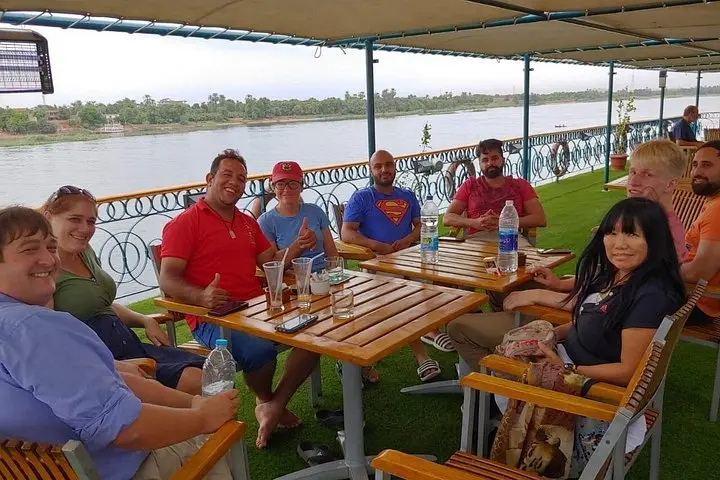
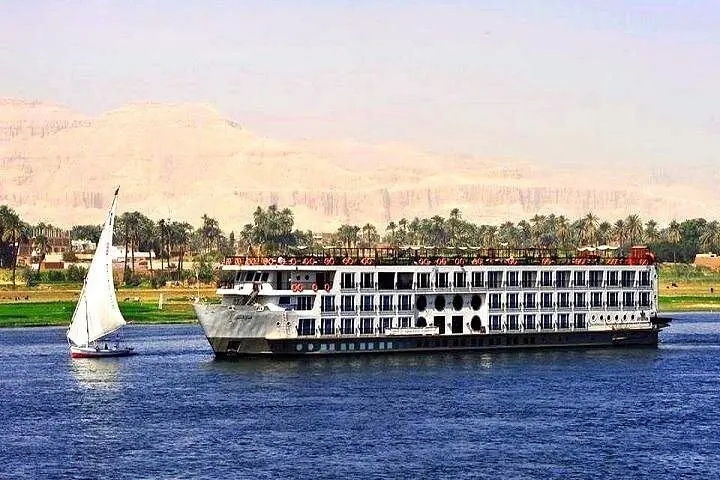
You step onto the mahogany deck as the Nile slips past — a slow, steady ribbon that seems to dare you to watch history float by. The sun warms the sundeck while minarets and date palms slide into view; downstream, the river pushes the ship toward temples carved from living rock.
You step onto the mahogany deck as the Nile slips past — a slow, steady ribbon that seems to dare you to watch history float by. The sun warms the sundeck while minarets and date palms slide into view; downstream, the river pushes the ship toward temples carved from living rock.
This four-day cruise threads the heart of Upper Egypt: Karnak and Luxor’s vast columned courts, the West Bank’s tomb-cut cliffs at the Valley of the Kings, Hatshepsut’s funerary terraces, Edfu’s intact Horus temple, Kom Ombo’s dual sanctuaries, and Philae’s island shrine. Geologically the river has carved a fertile strip through Sahara bedrock, concentrating settlements and millennia of human activity along its banks. Culturally, expect layered histories—Pharaonic stonework, Greco-Roman additions and later Coptic and Islamic influences—interpreted by an Egyptology guide onboard.
Practically: cabins are full-board and most shore visits involve short drives, moderate walking and some stairs. Entrance fees and the motorboat to Philae may require local cash; check the operator’s notes on payments. Mornings are best for tomb visits (cooler light, smaller crowds); afternoons suit relaxed deck time and navigation through locks. Bring sun protection, comfortable walking shoes, and a small daypack for temple visits. If mobility is limited, ask about assistance and wheelchair-accessible options in advance. The cruise pace balances guided archaeology with quiet hours watching the Nile’s rhythm — it’s a cultural river trip more than an expedition, but the landscape keeps you moving forward.