THE ADVENTURE COLLECTIVE® · Independent discovery and booking for outdoor travel

Sail five days between Luxor and Aswan, visiting Karnak, Valley of the Kings, Edfu, Kom Ombo and the monumental Abu Simbel. This cruise pairs relaxed river travel with daily temple excursions and local cultural encounters.
Sail five days between Luxor and Aswan, visiting Karnak, Valley of the Kings, Edfu, Kom Ombo and the monumental Abu Simbel. This cruise pairs relaxed river travel with daily temple excursions and local cultural encounters.
The morning air over Luxor tastes of river dust and citrus; palm fronds clap as the felucca silhouettes slide away and the cruise waits with a low hum at the quay. Guests disembark from train or plane into a city of stone and sunlight, meet a guide, and step aboard a five‑day journey that moves like a slow conversation with the Nile.
Verified experiences and guided adventures in the surrounding area.
Operated by Egypt Visits · Luxor, Luxor Governorate
The morning air over Luxor tastes of river dust and citrus; palm fronds clap as the felucca silhouettes slide away and the cruise waits with a low hum at the quay. Guests disembark from train or plane into a city of stone and sunlight, meet a guide, and step aboard a five‑day journey that moves like a slow conversation with the Nile.
This cruise threads through millennia: Pharaonic tombs carved into the West Bank cliffs, Karnak’s pillared avenues built over 4,000 years, and Abu Simbel’s colossal faces raised by Ramses II at the edge of ancient Nubia. Geologically the route follows the Nile’s alluvial plain where the river’s seasonal floods once deposited the silt that made Upper Egypt fertile; cultural layers stack as visibly as temple reliefs—Greek, Coptic, Ottoman and modern Nubian influences touch towns and islands along the way.
Expect temple complexes, carriage rides at Edfu, Kom Ombo’s double shrine, and a sunrise approach to Abu Simbel if timing allows. Local guides translate hieroglyphs into concise stories and point out structural details—colossi, hypostyle halls, and unfinished obelisks hewn from pink granite in Aswan.
Practical side: pack lightweight, breathable clothing, a hat and good walking shoes for uneven stone and temple steps. Stay hydrated and plan museum or tomb visits for cooler morning hours. Respect photography rules in tombs, and budget time for transfers—timetables on the Nile can shift. On a trip that combines calm river travel with significant on‑land exploration, the rhythm is slow but the history moves fast.
Visa requirements depend on your nationality—most visitors require an Egyptian visa obtained in advance or on arrival; check current regulations before travel.
The itinerary includes Abu Simbel; transfers are early and can be several hours round‑trip depending on road or small‑group travel arrangements.
Confirm with the operator—this cruise lists guided visits and certain admissions but individual entry fees (e.g., selected tombs) may be extra.
Cruise vessels vary; many sites include stairs and uneven terrain. Notify the operator about mobility needs—some transfers and temple access may be challenging.
Egypt Visits operates guided outdoor trips and adventures with an emphasis on safety, stewardship, and memorable experiences.
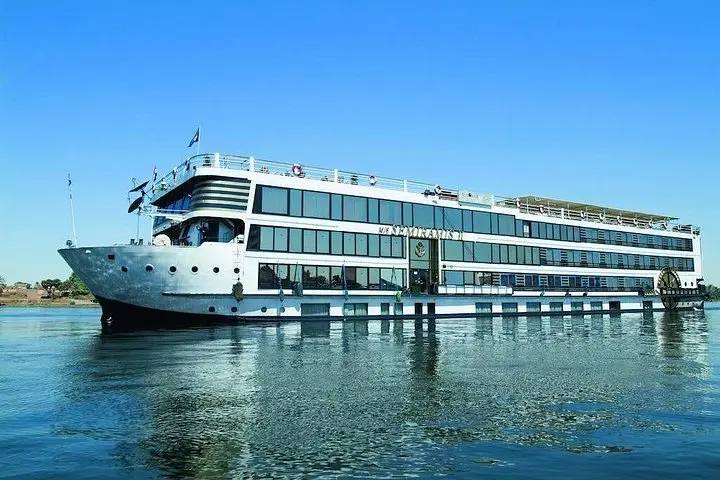
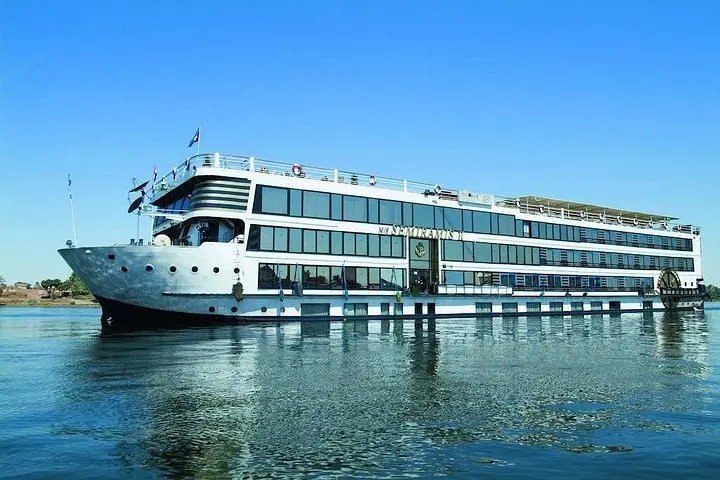
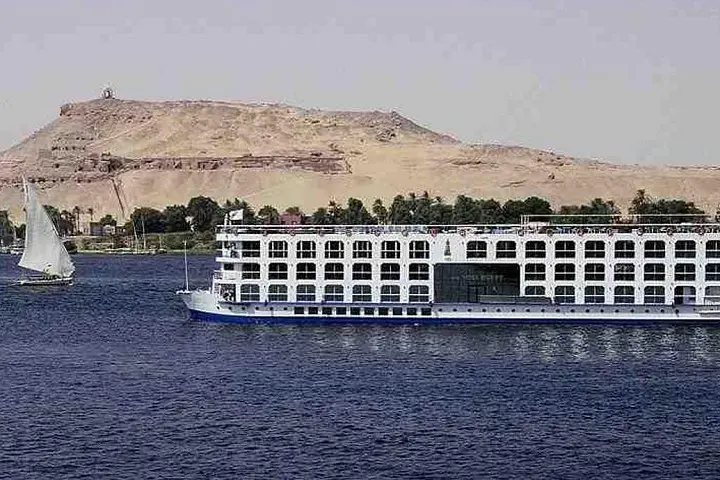
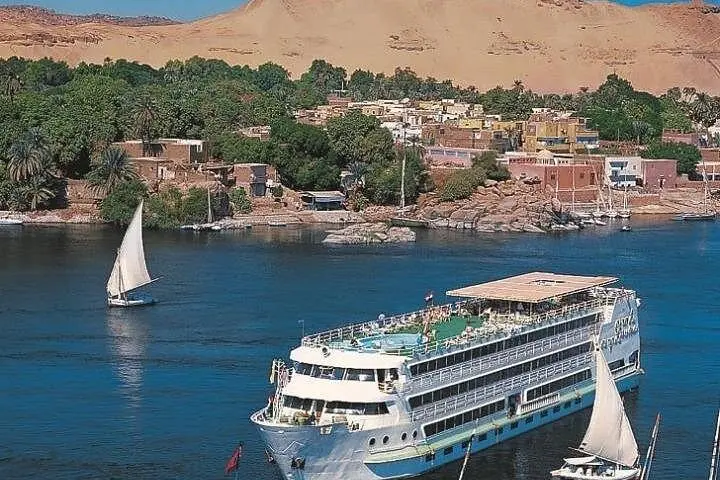
The morning air over Luxor tastes of river dust and citrus; palm fronds clap as the felucca silhouettes slide away and the cruise waits with a low hum at the quay. Guests disembark from train or plane into a city of stone and sunlight, meet a guide, and step aboard a five‑day journey that moves like a slow conversation with the Nile.
The morning air over Luxor tastes of river dust and citrus; palm fronds clap as the felucca silhouettes slide away and the cruise waits with a low hum at the quay. Guests disembark from train or plane into a city of stone and sunlight, meet a guide, and step aboard a five‑day journey that moves like a slow conversation with the Nile.
This cruise threads through millennia: Pharaonic tombs carved into the West Bank cliffs, Karnak’s pillared avenues built over 4,000 years, and Abu Simbel’s colossal faces raised by Ramses II at the edge of ancient Nubia. Geologically the route follows the Nile’s alluvial plain where the river’s seasonal floods once deposited the silt that made Upper Egypt fertile; cultural layers stack as visibly as temple reliefs—Greek, Coptic, Ottoman and modern Nubian influences touch towns and islands along the way.
Expect temple complexes, carriage rides at Edfu, Kom Ombo’s double shrine, and a sunrise approach to Abu Simbel if timing allows. Local guides translate hieroglyphs into concise stories and point out structural details—colossi, hypostyle halls, and unfinished obelisks hewn from pink granite in Aswan.
Practical side: pack lightweight, breathable clothing, a hat and good walking shoes for uneven stone and temple steps. Stay hydrated and plan museum or tomb visits for cooler morning hours. Respect photography rules in tombs, and budget time for transfers—timetables on the Nile can shift. On a trip that combines calm river travel with significant on‑land exploration, the rhythm is slow but the history moves fast.