THE ADVENTURE COLLECTIVE® · Independent discovery and booking for outdoor travel

Glide down the Nile from Luxor to Aswan, rising in a hot-air balloon over pharaonic monuments and visiting Abu Simbel, Kom Ombo and the Valley of the Kings on a 5-day cruise. Early starts, temple walks, and rivertime define the itinerary.
Glide down the Nile from Luxor to Aswan, rising in a hot-air balloon over pharaonic monuments and visiting Abu Simbel, Kom Ombo and the Valley of the Kings on a 5-day cruise. Early starts, temple walks, and rivertime define the itinerary.
A predawn hush hangs over Luxor as the Nile slips silver beneath the cruise's hull and a hot-air balloon lifts, catching the rising sun above the West Bank. Passengers stand on teak decks while ancient stone casts long shadows—statues and obelisks at first light, temples waking like old giants.
Verified experiences and guided adventures in the surrounding area.
Operated by Egypt Package Tours · Luxor, Luxor Governorate
A predawn hush hangs over Luxor as the Nile slips silver beneath the cruise's hull and a hot-air balloon lifts, catching the rising sun above the West Bank. Passengers stand on teak decks while ancient stone casts long shadows—statues and obelisks at first light, temples waking like old giants.
The route follows the Nile's floodplain between limestone escarpments and broad cultivated banks. Karnak and Luxor expose millennia of pharaonic ambition: temples expanded across dynasties; the Valley of the Kings cuts tombs into the soft sandstone hills. Further south, Kom Ombo and Edfu show the shift from state cults to regional worship, and Abu Simbel recalls modern engineering—Ramesses II’s monuments saved and moved in the 1960s when the Aswan High Dam reshaped the river.
Culturally, the line between river and community is intimate: feluccas, riverside markets, and Nubian islands keep a different rhythm than Cairo. Geologically the valley is a ribbon of fertile silt bounded by harder desert rock, where tomb builders carved directly into the bank.
Practical guidance: expect early mornings (balloon flights around sunrise), short guided walks on uneven stone and stairs, and multiple site entries over five days. Bring sun protection, a refillable water bottle, modest clothing for temple visits, and small cash for tips and entrance extras. Note balloon providers restrict large cameras and have age limits; check refund rules for weather-related cancellations. Pace your days—sundeck time is as useful for recovery as it is for watching the Nile push past towns that have shaped Egypt’s history.
Operators often prohibit professional cameras during flights; most allow smartphones. Check the provider rules and use a small phone grip rather than bulky gear.
The cruise itself suits a wide range of ages; however, balloon flights commonly restrict children under 6 and require moderate mobility—ask about accessibility for specific needs.
Weather cancellations typically trigger partial refunds per operator policy; confirm refund amounts and rebooking options before travel.
Most visitors to Egypt require a visa—check your nationality requirements—and routine vaccinations are sufficient; consult your doctor for current travel health advice.
Egypt Package Tours operates guided outdoor trips and adventures with an emphasis on safety, stewardship, and memorable experiences.
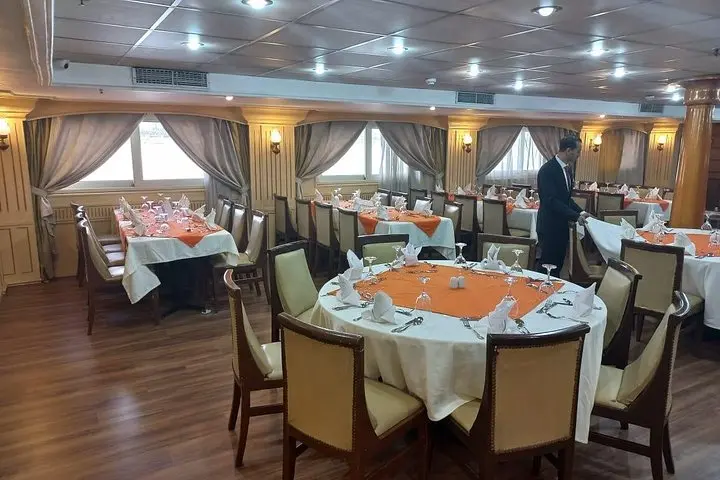
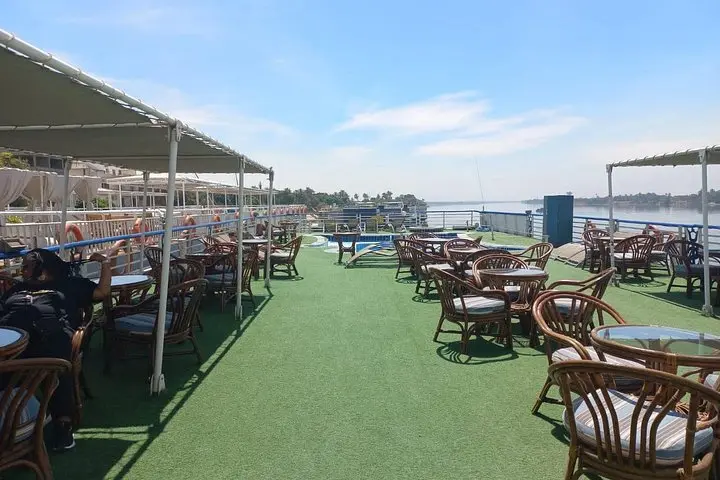
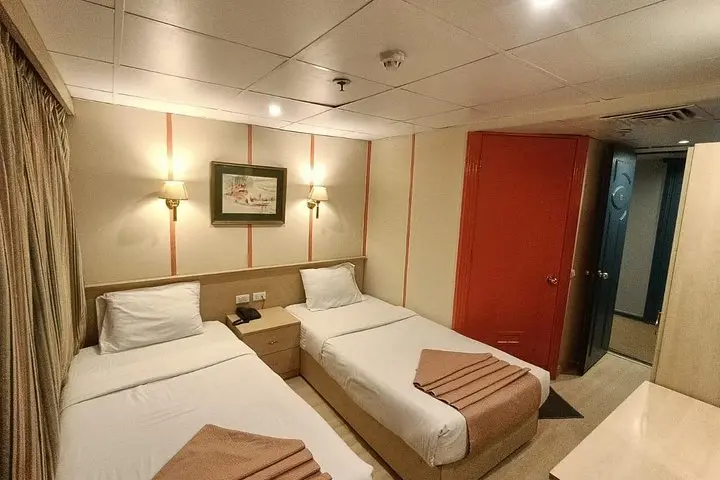
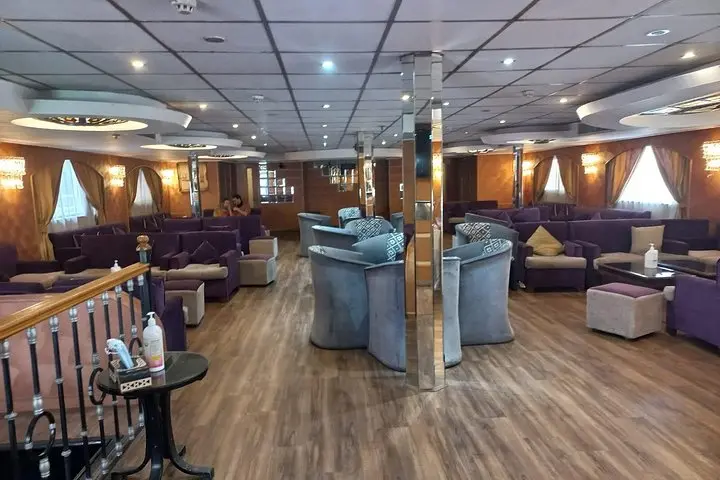
A predawn hush hangs over Luxor as the Nile slips silver beneath the cruise's hull and a hot-air balloon lifts, catching the rising sun above the West Bank. Passengers stand on teak decks while ancient stone casts long shadows—statues and obelisks at first light, temples waking like old giants.
A predawn hush hangs over Luxor as the Nile slips silver beneath the cruise's hull and a hot-air balloon lifts, catching the rising sun above the West Bank. Passengers stand on teak decks while ancient stone casts long shadows—statues and obelisks at first light, temples waking like old giants.
The route follows the Nile's floodplain between limestone escarpments and broad cultivated banks. Karnak and Luxor expose millennia of pharaonic ambition: temples expanded across dynasties; the Valley of the Kings cuts tombs into the soft sandstone hills. Further south, Kom Ombo and Edfu show the shift from state cults to regional worship, and Abu Simbel recalls modern engineering—Ramesses II’s monuments saved and moved in the 1960s when the Aswan High Dam reshaped the river.
Culturally, the line between river and community is intimate: feluccas, riverside markets, and Nubian islands keep a different rhythm than Cairo. Geologically the valley is a ribbon of fertile silt bounded by harder desert rock, where tomb builders carved directly into the bank.
Practical guidance: expect early mornings (balloon flights around sunrise), short guided walks on uneven stone and stairs, and multiple site entries over five days. Bring sun protection, a refillable water bottle, modest clothing for temple visits, and small cash for tips and entrance extras. Note balloon providers restrict large cameras and have age limits; check refund rules for weather-related cancellations. Pace your days—sundeck time is as useful for recovery as it is for watching the Nile push past towns that have shaped Egypt’s history.