THE ADVENTURE COLLECTIVE® · Independent discovery and booking for outdoor travel

Sail a classic dahabiya from Luxor to Aswan on a five‑day cultural cruise starting in Hurghada. Visit Karnak, the Valley of the Kings, Edfu, Kom Ombo and Philae while enjoying a relaxed, low‑impact river passage.
Sail a classic dahabiya from Luxor to Aswan on a five‑day cultural cruise starting in Hurghada. Visit Karnak, the Valley of the Kings, Edfu, Kom Ombo and Philae while enjoying a relaxed, low‑impact river passage.
You step off an air-conditioned minivan into the slow, wide breath of the Nile—waters that have carried people and stones for millennia. The dahabiya, a slim, elegant sailboat with shaded decks, rocks gently against the quay as temple silhouettes slide by: colossi, pylons, and palm-fringed floodplains. The river seems to dare you to slow down and notice.
Verified experiences and guided adventures in the surrounding area.
Operated by Egypt Best Day Tours · Hurghada, Red Sea Governorate
You step off an air-conditioned minivan into the slow, wide breath of the Nile—waters that have carried people and stones for millennia. The dahabiya, a slim, elegant sailboat with shaded decks, rocks gently against the quay as temple silhouettes slide by: colossi, pylons, and palm-fringed floodplains. The river seems to dare you to slow down and notice.
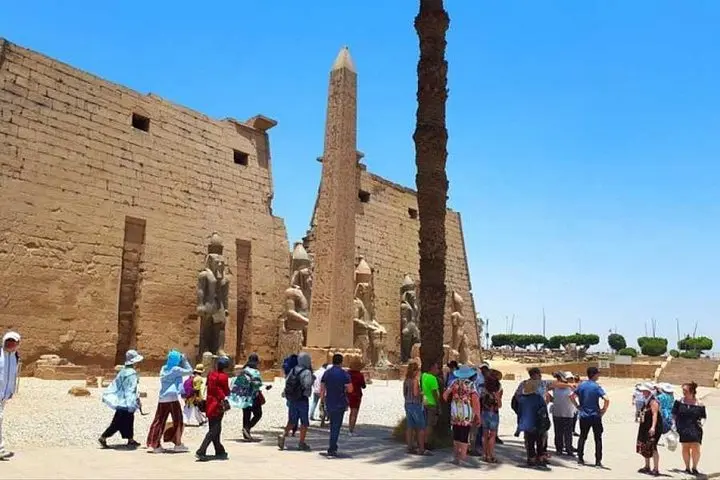
This five-day route threads modern Hurghada to Luxor and on to Aswan, tracing the heart of Pharaonic Egypt. Start with a 4‑hour transfer to Luxor, then board for a downstream passage past Edfu and Kom Ombo toward Aswan. The temples — Karnak, Luxor, Edfu, Kom Ombo, Philae and the relocated Abu Simbel — reveal Egypt’s layered history: New Kingdom grandeur, Ptolemaic dual sanctuaries and Roman-era inscriptions carved into sandstone.
Geologically the Nile corridor is a ribbon of alluvium slicing through desert rock; culturally it remains the agricultural spine that enabled ancient states. Local life still orbits the river — feluccas, date palms, and small island communities — and guides will point out crop patterns, irrigation works and the modern Aswan High Dam that reshaped the flow.
Practical guidance: expect mostly flat, low‑impact walking across uneven temple stone and dusty approach paths; wear sturdy walking shoes, sun protection and a hat. Carry small bills for entry fees, boat transfers and local tips; bring a refillable water bottle and loose layers for cool mornings on deck. Timing: mornings are best for photography and heat management. This trip balances slow travel and concentrated sightseeing — a cultural cruise that moves at the Nile’s unhurried pace.
Most entrance fees are typically not included unless specified; expect to pay on arrival or through the tour operator, and carry Egyptian pounds for faster transactions.
The cruise is low‑impact—daily walks of 1–3 miles over uneven ground and short boat transfers; no technical fitness is needed but mobility to climb small steps is required.
Yes — the itinerary includes Abu Simbel; visits usually require a coach transfer from Aswan or a coordinated excursion timed around your cruise schedule.
Most operators provide English‑speaking guides; private tours often offer multilingual options—confirm when booking.
Egypt Best Day Tours operates guided outdoor trips and adventures with an emphasis on safety, stewardship, and memorable experiences.
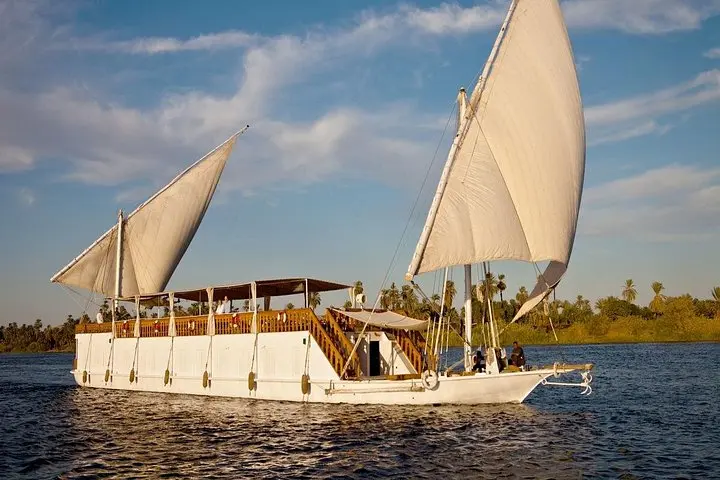

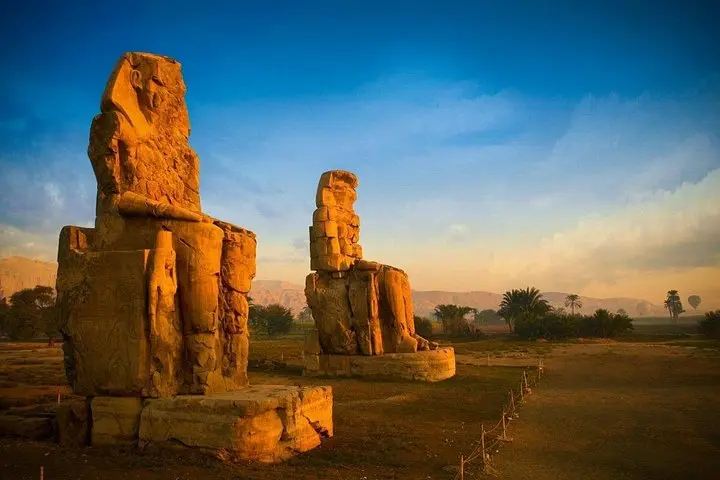
You step off an air-conditioned minivan into the slow, wide breath of the Nile—waters that have carried people and stones for millennia. The dahabiya, a slim, elegant sailboat with shaded decks, rocks gently against the quay as temple silhouettes slide by: colossi, pylons, and palm-fringed floodplains. The river seems to dare you to slow down and notice.
You step off an air-conditioned minivan into the slow, wide breath of the Nile—waters that have carried people and stones for millennia. The dahabiya, a slim, elegant sailboat with shaded decks, rocks gently against the quay as temple silhouettes slide by: colossi, pylons, and palm-fringed floodplains. The river seems to dare you to slow down and notice.
This five-day route threads modern Hurghada to Luxor and on to Aswan, tracing the heart of Pharaonic Egypt. Start with a 4‑hour transfer to Luxor, then board for a downstream passage past Edfu and Kom Ombo toward Aswan. The temples — Karnak, Luxor, Edfu, Kom Ombo, Philae and the relocated Abu Simbel — reveal Egypt’s layered history: New Kingdom grandeur, Ptolemaic dual sanctuaries and Roman-era inscriptions carved into sandstone.
Geologically the Nile corridor is a ribbon of alluvium slicing through desert rock; culturally it remains the agricultural spine that enabled ancient states. Local life still orbits the river — feluccas, date palms, and small island communities — and guides will point out crop patterns, irrigation works and the modern Aswan High Dam that reshaped the flow.
Practical guidance: expect mostly flat, low‑impact walking across uneven temple stone and dusty approach paths; wear sturdy walking shoes, sun protection and a hat. Carry small bills for entry fees, boat transfers and local tips; bring a refillable water bottle and loose layers for cool mornings on deck. Timing: mornings are best for photography and heat management. This trip balances slow travel and concentrated sightseeing — a cultural cruise that moves at the Nile’s unhurried pace.