THE ADVENTURE COLLECTIVE® · Independent discovery and booking for outdoor travel

Glide four nights along the Nile from Luxor to Aswan, pairing on‑board comfort with guided visits to Karnak, the Valley of the Kings, Edfu, Kom Ombo and Philae. This five‑day itinerary balances slow river travel with intensive archaeological exploration and an optional Abu Simbel extension.
Glide four nights along the Nile from Luxor to Aswan, pairing on‑board comfort with guided visits to Karnak, the Valley of the Kings, Edfu, Kom Ombo and Philae. This five‑day itinerary balances slow river travel with intensive archaeological exploration and an optional Abu Simbel extension.
You step onto the wooden gangway as the Nile unfurls like a slow-moving ribbon of light — palm-lined banks, ochre cliffs, and villagers pausing to watch your boat slip by. The cruise itself becomes a moving basecamp: mornings ashore among towering columns and painted reliefs, afternoons spent drifting between towns with the desert pressing its quiet up against the river.
Verified experiences and guided adventures in the surrounding area.
Operated by Journey To Egypt · Luxor, Luxor Governorate
You step onto the wooden gangway as the Nile unfurls like a slow-moving ribbon of light — palm-lined banks, ochre cliffs, and villagers pausing to watch your boat slip by. The cruise itself becomes a moving basecamp: mornings ashore among towering columns and painted reliefs, afternoons spent drifting between towns with the desert pressing its quiet up against the river.
This route threads millennia of human history. Luxor’s Karnak and Luxor Temples record dynasties in stone; across the river the Valley of the Kings hides carved tombs cut into limestone. Geologically the Nile corridor is a low-lying alluvial plain sliced by ancient channels and granite outcrops at Aswan, where quarrying shaped the Unfinished Obelisk. Culturally, this stretch mixes Pharaonic, Greek, Roman and Nubian layers — best seen in Philae’s reassembled sanctuaries and Kom Ombo’s dual dedication to Horus and Sobek.
Expect structured days: guided shore visits to key temples, time aboard for meals and watching river life, and an optional long road transfer to Abu Simbel. The program moves at an easy physical pace but requires sun-smart planning: the desert sun is unrelenting, and tomb interiors are narrow and dim. Bring a small daypack for shore excursions, be ready to buy extra-entry tickets at some tombs (Tutankhamun is often extra), and allow time for photography between guide commentary and the slow, deliberate rhythm of the boat.
Practical tip: start excursions early to avoid heat and crowds, carry water and layered clothes for cool evenings on deck, and respect site rules — no touching painted reliefs and limited flash in tombs.
Abu Simbel is optional and requires an additional 3.5‑hour road transfer each way; book it at the time of reservation if you want to include it.
The cruise includes entrance fees listed in the itinerary, but certain tombs—like Tutankhamun’s—often require extra tickets purchased on site.
Local expert guides typically provide commentary in English; confirm language availability when booking to request other languages if needed.
The trip is rated suitable for most travellers, but boat gangways, temple steps and uneven tomb passages may pose challenges—contact the operator in advance to arrange assistance.
Journey To Egypt operates guided outdoor trips and adventures with an emphasis on safety, stewardship, and memorable experiences.

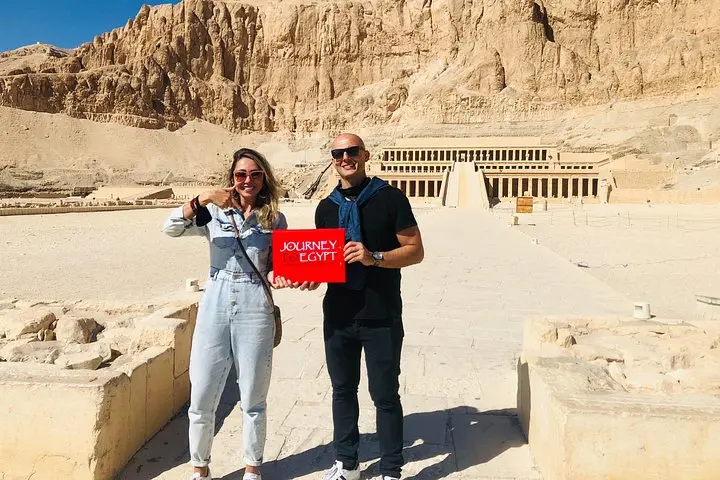
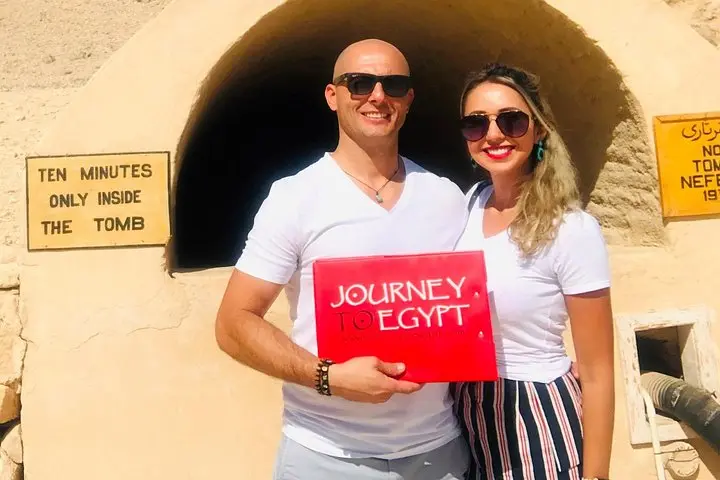
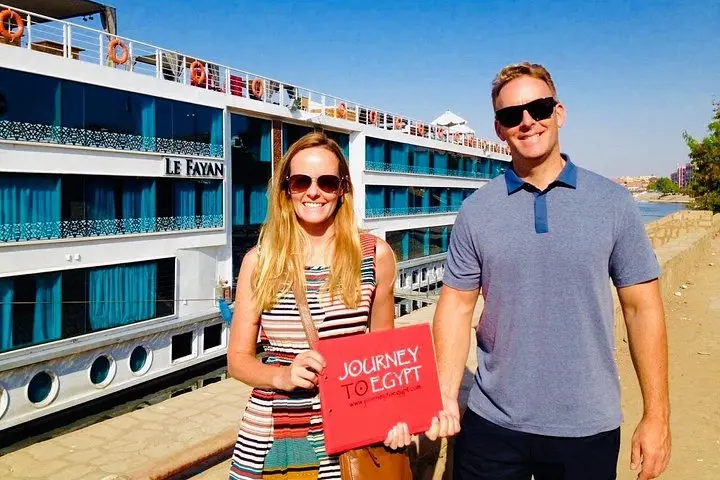
You step onto the wooden gangway as the Nile unfurls like a slow-moving ribbon of light — palm-lined banks, ochre cliffs, and villagers pausing to watch your boat slip by. The cruise itself becomes a moving basecamp: mornings ashore among towering columns and painted reliefs, afternoons spent drifting between towns with the desert pressing its quiet up against the river.
You step onto the wooden gangway as the Nile unfurls like a slow-moving ribbon of light — palm-lined banks, ochre cliffs, and villagers pausing to watch your boat slip by. The cruise itself becomes a moving basecamp: mornings ashore among towering columns and painted reliefs, afternoons spent drifting between towns with the desert pressing its quiet up against the river.
This route threads millennia of human history. Luxor’s Karnak and Luxor Temples record dynasties in stone; across the river the Valley of the Kings hides carved tombs cut into limestone. Geologically the Nile corridor is a low-lying alluvial plain sliced by ancient channels and granite outcrops at Aswan, where quarrying shaped the Unfinished Obelisk. Culturally, this stretch mixes Pharaonic, Greek, Roman and Nubian layers — best seen in Philae’s reassembled sanctuaries and Kom Ombo’s dual dedication to Horus and Sobek.
Expect structured days: guided shore visits to key temples, time aboard for meals and watching river life, and an optional long road transfer to Abu Simbel. The program moves at an easy physical pace but requires sun-smart planning: the desert sun is unrelenting, and tomb interiors are narrow and dim. Bring a small daypack for shore excursions, be ready to buy extra-entry tickets at some tombs (Tutankhamun is often extra), and allow time for photography between guide commentary and the slow, deliberate rhythm of the boat.
Practical tip: start excursions early to avoid heat and crowds, carry water and layered clothes for cool evenings on deck, and respect site rules — no touching painted reliefs and limited flash in tombs.