THE ADVENTURE COLLECTIVE® · Independent discovery and booking for outdoor travel

Follow the Nile from Luxor to Aswan on a five-day cruise that pairs relaxed river travel with guided visits to Luxor, Edfu, Kom Ombo and Abu Simbel. Expect long days of archaeology softened by evenings on deck and local meals.
Follow the Nile from Luxor to Aswan on a five-day cruise that pairs relaxed river travel with guided visits to Luxor, Edfu, Kom Ombo and Abu Simbel. Expect long days of archaeology softened by evenings on deck and local meals.
Morning light peels over the Nile as the cruise slips away from Luxor — the river broad and patient, daring you to follow its current past temples carved by pharaohs. Onboard, slow rhythms replace airport rush: teak decks, tea at dusk, and the steady low hum of engines as the landscape slides by — sand, palm groves, and small felucca sails.
Verified experiences and guided adventures in the surrounding area.
Operated by Egyptian Felucca ride On the Nile · Luxor, Luxor Governorate
Morning light peels over the Nile as the cruise slips away from Luxor — the river broad and patient, daring you to follow its current past temples carved by pharaohs. Onboard, slow rhythms replace airport rush: teak decks, tea at dusk, and the steady low hum of engines as the landscape slides by — sand, palm groves, and small felucca sails.
This five-day itinerary threads Egypt’s most resonant sites. Luxor’s temples and the Avenue of Sphinxes open a chapter of New Kingdom power; the West Bank’s Valley of the Kings holds tombs cut into limestone, their painted corridors revealing funerary beliefs. Further south, the Greco-Roman engineering of the Aswan High Dam altered the Nile’s flows and forced the rescue of Abu Simbel’s colossal facades — a modern act that saved ancient art. Geology here is simple and striking: sedimentary banks punctuated by granite outcrops at Aswan, where quarries once supplied obelisks and statuary.
Culturally, expect market life at river towns and Nubian influences around Aswan; local guides narrate rituals, inscriptions and the politics behind temple construction.
Practical guidance: pack sun protection and sturdy shoes for uneven temple floors; temples enforce modest dress and may require walking on sand or stone. The cruise includes transfers, most entry fees and lunches, but carry small local currency for tips and market purchases. Plan early-morning or late-afternoon visits to avoid peak heat. Bring a photocopy of your passport for booking, and be ready for variable schedules — river travel and site access can change with local conditions.
Yes—Day 5 lists an Abu Simbel visit with transfers back to Aswan; entry logistics are handled as part of the multi-day program.
The cruise specifies lunches and entry fees are included, plus transfers and a tour guide; confirm specific site surcharges at booking.
The tour is rated easy but many ancient sites have stairs and uneven ground; it's not recommended for travelers with severe spinal or mobility limitations.
Guides are typically local and provide commentary in common tourist languages—confirm language preference when booking to ensure availability.
Egyptian Felucca ride On the Nile operates guided outdoor trips and adventures with an emphasis on safety, stewardship, and memorable experiences.
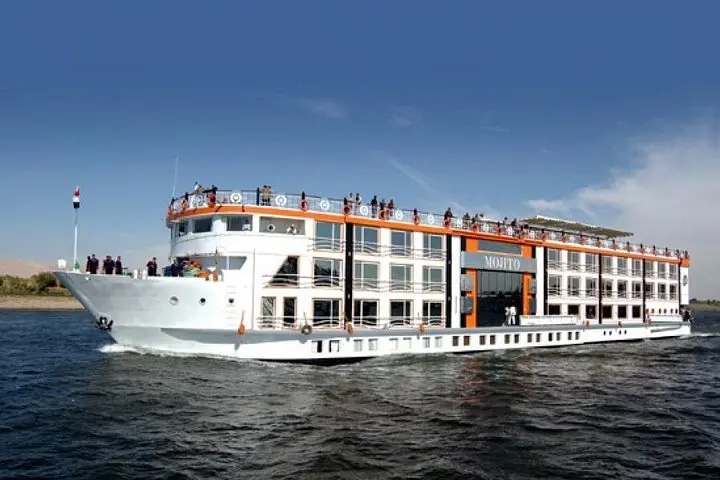
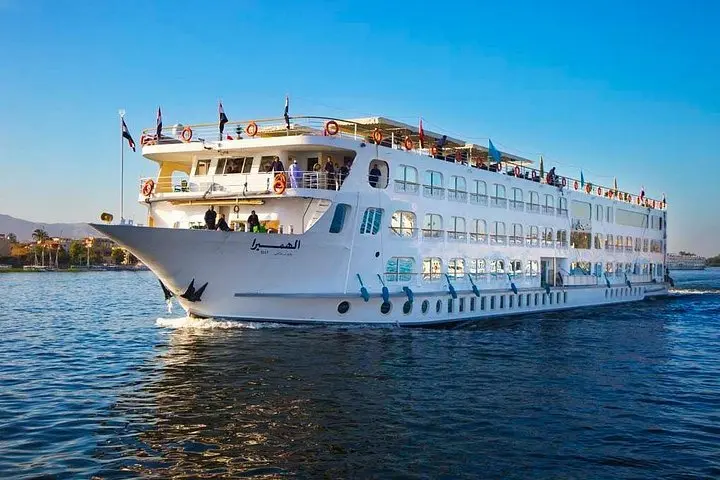
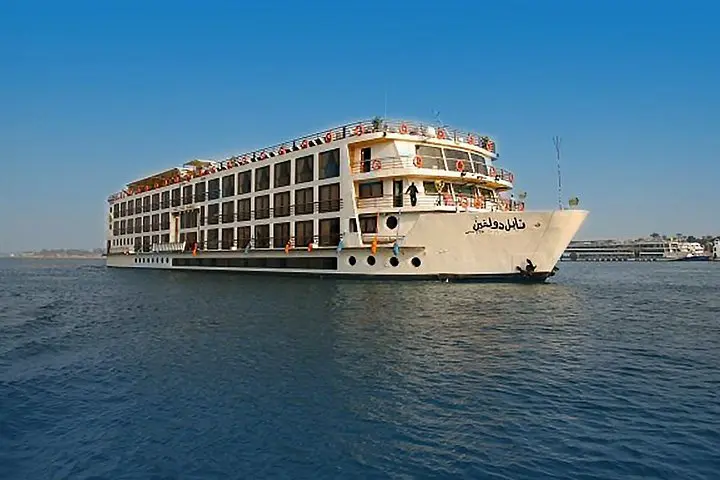
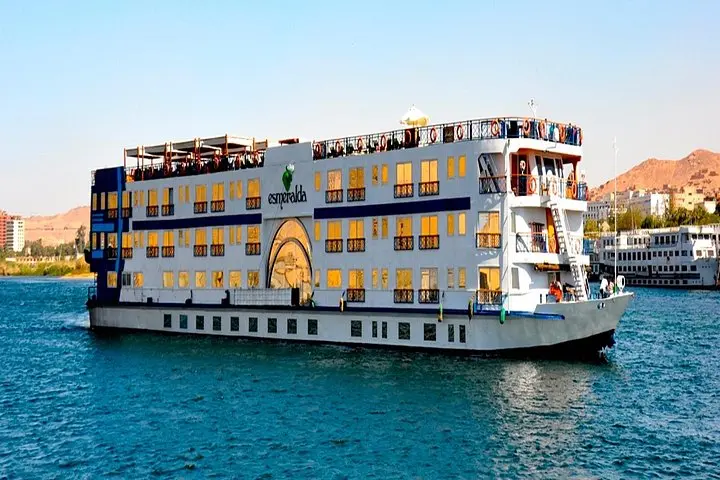
Morning light peels over the Nile as the cruise slips away from Luxor — the river broad and patient, daring you to follow its current past temples carved by pharaohs. Onboard, slow rhythms replace airport rush: teak decks, tea at dusk, and the steady low hum of engines as the landscape slides by — sand, palm groves, and small felucca sails.
Morning light peels over the Nile as the cruise slips away from Luxor — the river broad and patient, daring you to follow its current past temples carved by pharaohs. Onboard, slow rhythms replace airport rush: teak decks, tea at dusk, and the steady low hum of engines as the landscape slides by — sand, palm groves, and small felucca sails.
This five-day itinerary threads Egypt’s most resonant sites. Luxor’s temples and the Avenue of Sphinxes open a chapter of New Kingdom power; the West Bank’s Valley of the Kings holds tombs cut into limestone, their painted corridors revealing funerary beliefs. Further south, the Greco-Roman engineering of the Aswan High Dam altered the Nile’s flows and forced the rescue of Abu Simbel’s colossal facades — a modern act that saved ancient art. Geology here is simple and striking: sedimentary banks punctuated by granite outcrops at Aswan, where quarries once supplied obelisks and statuary.
Culturally, expect market life at river towns and Nubian influences around Aswan; local guides narrate rituals, inscriptions and the politics behind temple construction.
Practical guidance: pack sun protection and sturdy shoes for uneven temple floors; temples enforce modest dress and may require walking on sand or stone. The cruise includes transfers, most entry fees and lunches, but carry small local currency for tips and market purchases. Plan early-morning or late-afternoon visits to avoid peak heat. Bring a photocopy of your passport for booking, and be ready for variable schedules — river travel and site access can change with local conditions.