THE ADVENTURE COLLECTIVE® · Independent discovery and booking for outdoor travel

In two days from Hanoi travelers move from ancient capital temples and rice-flat villages to a slow cruise among karst towers in Bai Tu Long Bay. Expect boat tunnels, a 500-step viewpoint climb, homestay hospitality and optional kayaking.
In two days from Hanoi travelers move from ancient capital temples and rice-flat villages to a slow cruise among karst towers in Bai Tu Long Bay. Expect boat tunnels, a 500-step viewpoint climb, homestay hospitality and optional kayaking.
A dawn shuttle slips out of Hanoi and the road unfurls toward limestone towers rising like unfinished cliffs. By midmorning the group is at Hoa Lu, where stone temples record the Dinh and Le dynasties’ 10th-century court life and battlefield stories carved into weathered lintels. The landscape changes from paddy to karst: rivers thread under low cave mouths, then widen into pools that dare your boat to cut them open.
Verified experiences and guided adventures in the surrounding area.
Operated by Authentic NINH BINH · Ninh Binh, Ninh Binh Province
A dawn shuttle slips out of Hanoi and the road unfurls toward limestone towers rising like unfinished cliffs. By midmorning the group is at Hoa Lu, where stone temples record the Dinh and Le dynasties’ 10th-century court life and battlefield stories carved into weathered lintels. The landscape changes from paddy to karst: rivers thread under low cave mouths, then widen into pools that dare your boat to cut them open.
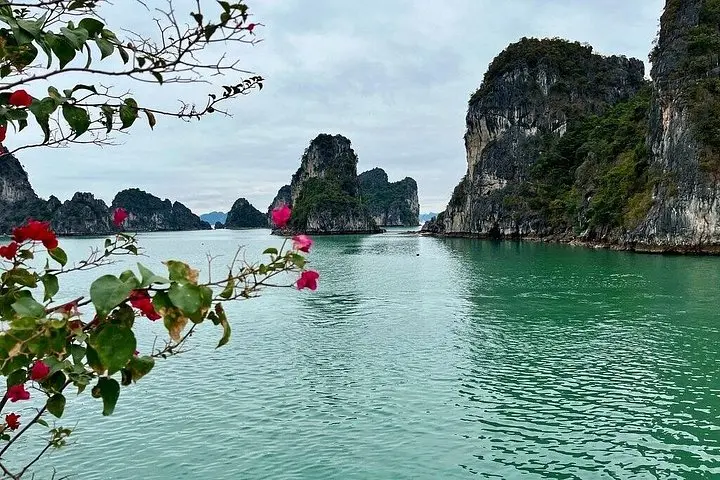
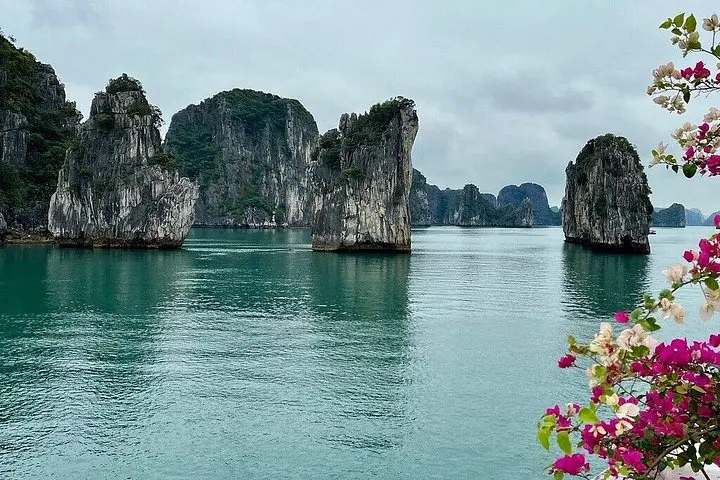
Geology here is honest — limestone dissolved over millennia to form caves, tunnels and the steep peaks that define Trang An and later Bai Tu Long Bay. Culture is visible at eye level: cyclists pass women carrying baskets to market, homestays serve dong rice and slow-brewed tea, and temple guardians keep watch over ancestral altars.
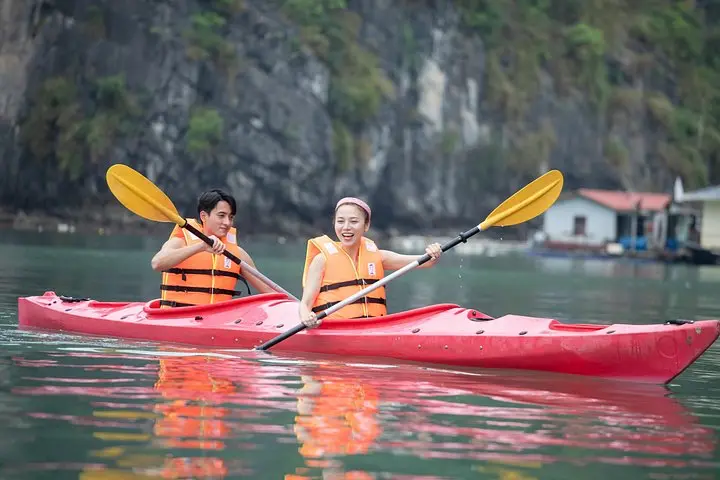
Practical guidance: expect two active days. Day one mixes a flat boat trip through Trang An, gentle cycling on village lanes and a steep climb of roughly 500 stone steps to Mua Cave viewpoint; shoes with good grip matter. Day two is a 5–6 hour cruise through Bai Tu Long with an option to kayak into quiet coves and visit Thien Canh Son cave — bring seasickness medicine and a dry bag. Temperatures vary; mornings can be cool, afternoons humid. Carry local cash for small purchases, pack reef-safe sunscreen, and leave no trace in fragile karst and marine environments.
This itinerary pairs short, satisfying exertion with long, slow observation: climbing, paddling and boat time combine to reveal why northern Vietnam’s karsts keep drawing travelers.
Expect about 500 stone steps—steep but short. Take your time; there are resting platforms and handrails in places.
Yes, guided kayaking in Bai Tu Long Bay is typically on calm water and suitable for first-timers; guides provide basic instruction and life jackets.
Meals described in the itinerary are included; the homestay is booked as part of the tour, but carry cash for extras or snacks.
Most operators can handle vegetarian, vegan or gluten-free requests if notified at booking—confirm when you reserve.
Authentic NINH BINH operates guided outdoor trips and adventures with an emphasis on safety, stewardship, and memorable experiences.

A dawn shuttle slips out of Hanoi and the road unfurls toward limestone towers rising like unfinished cliffs. By midmorning the group is at Hoa Lu, where stone temples record the Dinh and Le dynasties’ 10th-century court life and battlefield stories carved into weathered lintels. The landscape changes from paddy to karst: rivers thread under low cave mouths, then widen into pools that dare your boat to cut them open.
A dawn shuttle slips out of Hanoi and the road unfurls toward limestone towers rising like unfinished cliffs. By midmorning the group is at Hoa Lu, where stone temples record the Dinh and Le dynasties’ 10th-century court life and battlefield stories carved into weathered lintels. The landscape changes from paddy to karst: rivers thread under low cave mouths, then widen into pools that dare your boat to cut them open.
Geology here is honest — limestone dissolved over millennia to form caves, tunnels and the steep peaks that define Trang An and later Bai Tu Long Bay. Culture is visible at eye level: cyclists pass women carrying baskets to market, homestays serve dong rice and slow-brewed tea, and temple guardians keep watch over ancestral altars.
Practical guidance: expect two active days. Day one mixes a flat boat trip through Trang An, gentle cycling on village lanes and a steep climb of roughly 500 stone steps to Mua Cave viewpoint; shoes with good grip matter. Day two is a 5–6 hour cruise through Bai Tu Long with an option to kayak into quiet coves and visit Thien Canh Son cave — bring seasickness medicine and a dry bag. Temperatures vary; mornings can be cool, afternoons humid. Carry local cash for small purchases, pack reef-safe sunscreen, and leave no trace in fragile karst and marine environments.
This itinerary pairs short, satisfying exertion with long, slow observation: climbing, paddling and boat time combine to reveal why northern Vietnam’s karsts keep drawing travelers.