THE ADVENTURE COLLECTIVE® · Independent discovery and booking for outdoor travel

Spend a long day exploring Vietnam’s karst heart: ancient Hoa Lu temples, the stair-climb to Mua Cave viewpoint, and a tranquil sampan through Tam Coc or UNESCO-listed Trang An. Practical tips on timing, footwear, and what to expect on the river.
Spend a long day exploring Vietnam’s karst heart: ancient Hoa Lu temples, the stair-climb to Mua Cave viewpoint, and a tranquil sampan through Tam Coc or UNESCO-listed Trang An. Practical tips on timing, footwear, and what to expect on the river.
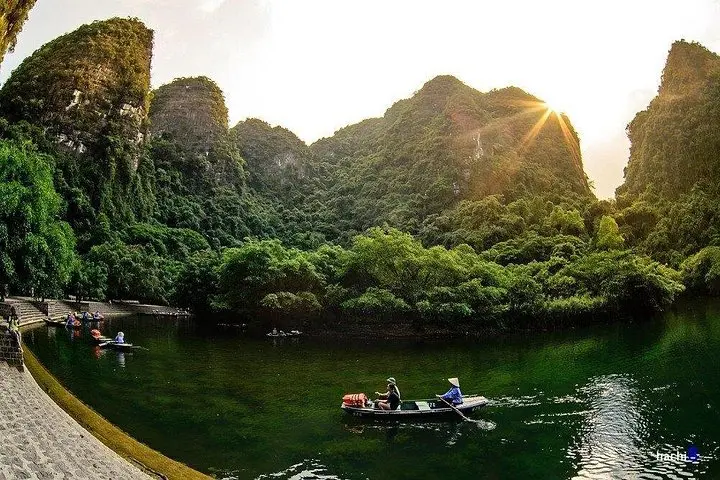
You step off the limousine into river air that feels older than the city you left behind—limestone towers rise like weathered spines from flat rice fields, and the Ngo Dong River threads green through caves and villages.
Verified experiences and guided adventures in the surrounding area.
Operated by Asia Vacation Travel · Ninh Binh, Ninh Bình
You step off the limousine into river air that feels older than the city you left behind—limestone towers rise like weathered spines from flat rice fields, and the Ngo Dong River threads green through caves and villages.
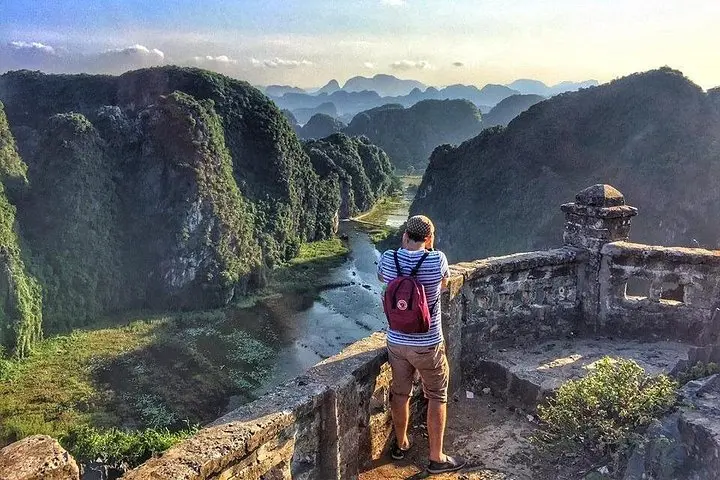
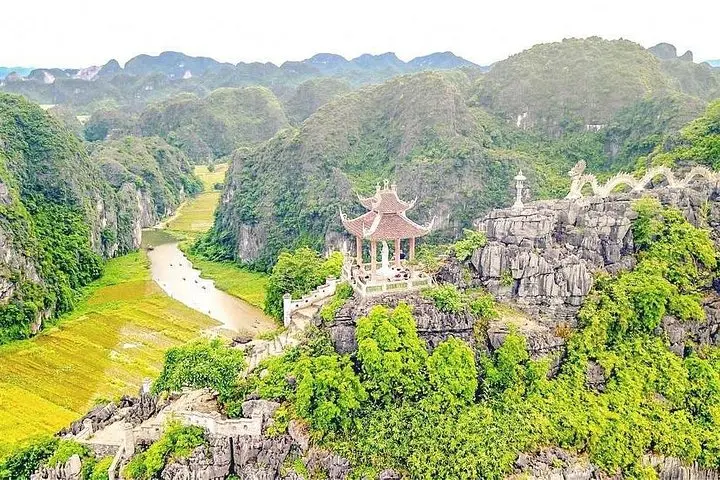
This full-day loop stitches history and landscape: Hoa Lu’s 10th–11th century temples give context to Vietnam’s early dynasties; Mua Cave (Dragon Mountain) rewards a brisk climb of roughly 500 stone steps with a broad vantage over Tam Coc’s karst maze; and either Tam Coc or the UNESCO-listed Trang An offers a slow sampan ride through flooded caves and cliff-shaded paddies. The karst here is young in geological terms—limestone sculpted by rivers into caves and tunnels—so expect narrow passages, reflective water, and abrupt limestone faces.
Culture is tactile: farmers tending wet-season rice, local sampan oarswomen, and pagodas like Bai Dinh—home to large bronze Buddhas and modern pilgrimage traffic. Films have used these cliffs for otherworldly scenes; the landscape feels cinematic but unvarnished.
Practical guidance: the day is long (about 10–11 hours) and mixes flat tramping, a short steep ascent, and seated boat time. Wear grippy shoes for the Mua steps, bring sun protection, and carry cash for small vendors and temple donations. Morning departures avoid midday crowds and heat. If you’re prone to motion sensitivity, choose a seat mid-boat and focus on the horizon—the slow river steadies the body and the mind. Hydrate, move deliberately on wet stone, and allow the day’s rhythm—pedal, climb, glide—to set your pace.
Typical duration is 10–11 hours; most options include hotel pickup in Hanoi, buffet lunch, entrance fees, English-speaking guide, boat trip, and optional bike.
The climb is steep—about 500 uneven stone steps—so those with limited mobility or serious back/heart issues should skip the viewpoint or take their time; benches are available at intervals.
Tam Coc is intimate and often busier; Trang An has longer cave tunnels and is a UNESCO site—both showcase karst scenery, the choice depends on crowd tolerance and itinerary options.
Tipping guides/boat rowers is appreciated in cash; many small vendors and local services prefer cash—credit card acceptance is limited outside larger sites.
Asia Vacation Travel operates guided outdoor trips and adventures with an emphasis on safety, stewardship, and memorable experiences.

You step off the limousine into river air that feels older than the city you left behind—limestone towers rise like weathered spines from flat rice fields, and the Ngo Dong River threads green through caves and villages.
You step off the limousine into river air that feels older than the city you left behind—limestone towers rise like weathered spines from flat rice fields, and the Ngo Dong River threads green through caves and villages.
This full-day loop stitches history and landscape: Hoa Lu’s 10th–11th century temples give context to Vietnam’s early dynasties; Mua Cave (Dragon Mountain) rewards a brisk climb of roughly 500 stone steps with a broad vantage over Tam Coc’s karst maze; and either Tam Coc or the UNESCO-listed Trang An offers a slow sampan ride through flooded caves and cliff-shaded paddies. The karst here is young in geological terms—limestone sculpted by rivers into caves and tunnels—so expect narrow passages, reflective water, and abrupt limestone faces.
Culture is tactile: farmers tending wet-season rice, local sampan oarswomen, and pagodas like Bai Dinh—home to large bronze Buddhas and modern pilgrimage traffic. Films have used these cliffs for otherworldly scenes; the landscape feels cinematic but unvarnished.
Practical guidance: the day is long (about 10–11 hours) and mixes flat tramping, a short steep ascent, and seated boat time. Wear grippy shoes for the Mua steps, bring sun protection, and carry cash for small vendors and temple donations. Morning departures avoid midday crowds and heat. If you’re prone to motion sensitivity, choose a seat mid-boat and focus on the horizon—the slow river steadies the body and the mind. Hydrate, move deliberately on wet stone, and allow the day’s rhythm—pedal, climb, glide—to set your pace.