THE ADVENTURE COLLECTIVE® · Independent discovery and booking for outdoor travel

Escape Hanoi for a full-day exploration of Ninh Binh’s biggest attractions: the sweeping Bai Dinh Pagoda, the UNESCO-listed caves of Trang An, and the panoramas from Mua Cave. This practical guide outlines what to expect, how to prepare, and the highlights not to miss.
Escape Hanoi for a full-day exploration of Ninh Binh’s biggest attractions: the sweeping Bai Dinh Pagoda, the UNESCO-listed caves of Trang An, and the panoramas from Mua Cave. This practical guide outlines what to expect, how to prepare, and the highlights not to miss.
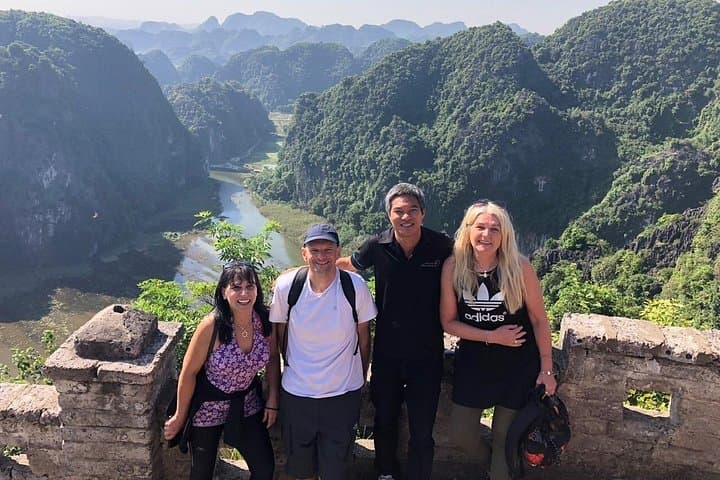
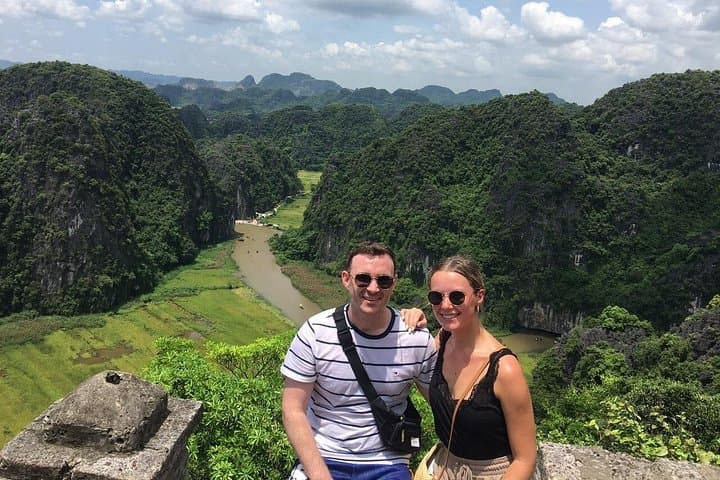
Stepping off the minibus into Ninh Binh, the air shifts—earth and river, limestone and incense. The day opens with Bai Dinh Pagoda's vast courtyards and bronze Buddha that loom like a quiet city of stone; later, the boat glides through low cave mouths in Trang An as karst towers lean over the water, daring you to look up. Finish by climbing Mua Cave’s nearly 500 steps for a broad, terraced view of Tam Coc rice paddies folding into the horizon.
Verified experiences and guided adventures in the surrounding area.
Operated by Local Tours HALONG · Ninh Binh, Ninh Binh Province
Stepping off the minibus into Ninh Binh, the air shifts—earth and river, limestone and incense. The day opens with Bai Dinh Pagoda's vast courtyards and bronze Buddha that loom like a quiet city of stone; later, the boat glides through low cave mouths in Trang An as karst towers lean over the water, daring you to look up. Finish by climbing Mua Cave’s nearly 500 steps for a broad, terraced view of Tam Coc rice paddies folding into the horizon.
The region’s karst landscape formed over millions of years as rivers dissolved limestone, producing caves, grottos and sharp ridgelines. Bai Dinh is a modern religious complex built and expanded in recent decades yet sits within a province layered with older rural customs and rice-farming traditions. Trang An is UNESCO-listed for the integration of cultural sites with natural geology; boats follow hand-rowed routes through caverns that once sheltered fishermen and pilgrims.
Practical notes: expect a full 11-hour day with roughly 2–2.5 hours each way from Hanoi. Wear grippy shoes for boat boarding and the steep, exposed steps at Mua Cave. Carry water and sunscreen—there’s little shade on the ascent. The tour includes electric tram access at Bai Dinh, a guided boat in Trang An, lunch at a local restaurant, and an English-speaking guide.
Timing matters: early departures avoid midday crowds at Bai Dinh and make the light on the karsts more photographic. Respect temple etiquette—cover shoulders and remove hats in sacred spaces—and follow local guides when boarding small boats for safety.
Boat rides vary but typical sampling on tours is around 60–90 minutes covering several grottoes and scenic channels; your guide will explain the route.
They are steep and exposed in sections but well-formed; take breaks, wear good shoes, and avoid the climb if you have serious mobility issues.
Yes—the tour includes a local Vietnamese lunch at a nearby restaurant as part of the itinerary.
No—dress modestly. Shoulders and knees should be covered inside temple buildings and main worship areas.
Local Tours HALONG operates guided outdoor trips and adventures with an emphasis on safety, stewardship, and memorable experiences.


Stepping off the minibus into Ninh Binh, the air shifts—earth and river, limestone and incense. The day opens with Bai Dinh Pagoda's vast courtyards and bronze Buddha that loom like a quiet city of stone; later, the boat glides through low cave mouths in Trang An as karst towers lean over the water, daring you to look up. Finish by climbing Mua Cave’s nearly 500 steps for a broad, terraced view of Tam Coc rice paddies folding into the horizon.
Stepping off the minibus into Ninh Binh, the air shifts—earth and river, limestone and incense. The day opens with Bai Dinh Pagoda's vast courtyards and bronze Buddha that loom like a quiet city of stone; later, the boat glides through low cave mouths in Trang An as karst towers lean over the water, daring you to look up. Finish by climbing Mua Cave’s nearly 500 steps for a broad, terraced view of Tam Coc rice paddies folding into the horizon.
The region’s karst landscape formed over millions of years as rivers dissolved limestone, producing caves, grottos and sharp ridgelines. Bai Dinh is a modern religious complex built and expanded in recent decades yet sits within a province layered with older rural customs and rice-farming traditions. Trang An is UNESCO-listed for the integration of cultural sites with natural geology; boats follow hand-rowed routes through caverns that once sheltered fishermen and pilgrims.
Practical notes: expect a full 11-hour day with roughly 2–2.5 hours each way from Hanoi. Wear grippy shoes for boat boarding and the steep, exposed steps at Mua Cave. Carry water and sunscreen—there’s little shade on the ascent. The tour includes electric tram access at Bai Dinh, a guided boat in Trang An, lunch at a local restaurant, and an English-speaking guide.
Timing matters: early departures avoid midday crowds at Bai Dinh and make the light on the karsts more photographic. Respect temple etiquette—cover shoulders and remove hats in sacred spaces—and follow local guides when boarding small boats for safety.