THE ADVENTURE COLLECTIVE® · Independent discovery and booking for outdoor travel

Cycle to Hoa Lư’s ancient temples, glide through Tam Cốc’s cave-studded waterways, and climb nearly 500 steps to the Mua Cave viewpoint. This full-day route blends easy cycling, a peaceful sampan ride, and a rewarding panoramic summit.
Cycle to Hoa Lư’s ancient temples, glide through Tam Cốc’s cave-studded waterways, and climb nearly 500 steps to the Mua Cave viewpoint. This full-day route blends easy cycling, a peaceful sampan ride, and a rewarding panoramic summit.
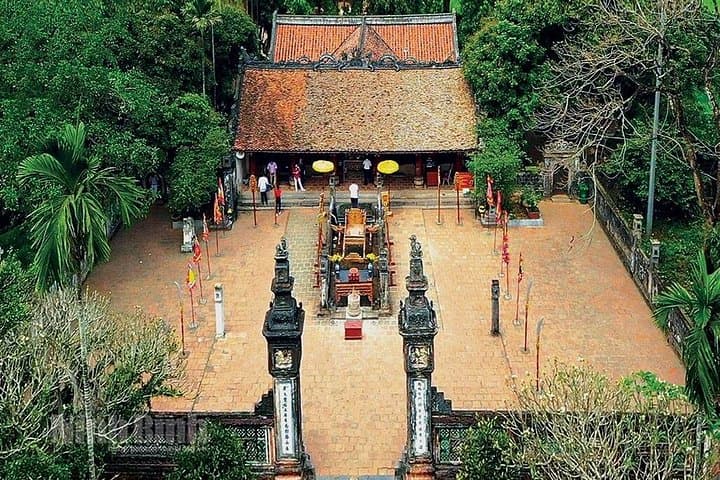
A low dawn light washes across flat rice fields as your minibus winds away from Hanoi and into a green maze of limestone towers. By midmorning you’re cycling past bamboo groves toward Hoa Lư’s temple compound — quiet courtyards that hold the bones of Vietnam’s first centralized court and the stone altars of Dinh and Lê emperors.
Verified experiences and guided adventures in the surrounding area.
Operated by Vietnam Explorer · Ninh Binh, Ninh Binh Province
A low dawn light washes across flat rice fields as your minibus winds away from Hanoi and into a green maze of limestone towers. By midmorning you’re cycling past bamboo groves toward Hoa Lư’s temple compound — quiet courtyards that hold the bones of Vietnam’s first centralized court and the stone altars of Dinh and Lê emperors.
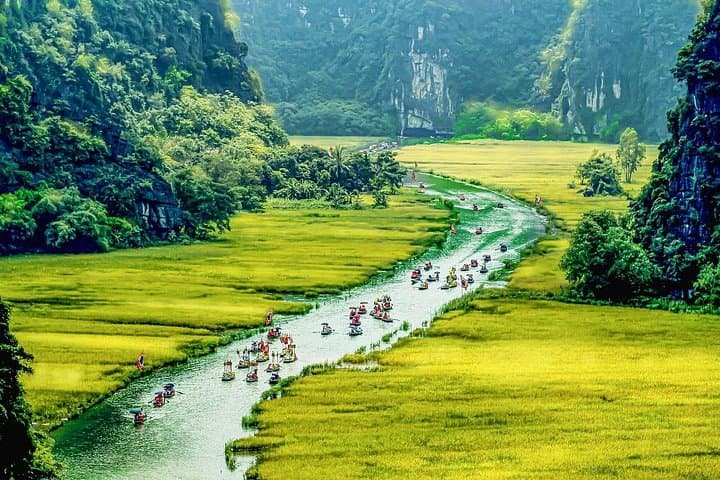
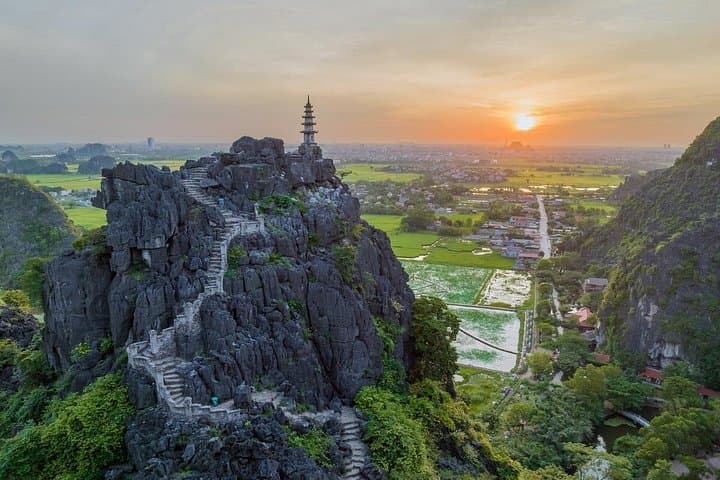
The region’s karst islands rise like overturned hulls from a sea of paddies: fractured limestone sculpted over millions of years into cliffs, caves and blind valleys. Tam Cốc’s rowing boats move like slow pens across the Ngo Dong River, pushed by local oarspeople who steer through three short caves while rice stalks brush the hull. Later, the staircase at Hang Múa asks for focus — nearly 500 steps cut into the hillside reward you with a dragon-crested ridge view over the river network and patchwork fields.
Culture and logistics sit side by side here: temples from the 10th–17th centuries, living villages that still plant by lunar calendar, and service-minded guides who provide conical hats and raincoats when clouds threaten. The full-day loop is active but accessible — expect several short rides of easy cycling, a calm shared boat trip, and a steep viewpoint climb.
Practical tips: start early to avoid midday heat, wear grippy shoes for the Mua steps, bring a refillable bottle, and expect shared transport from Hanoi. Rain can change plans quickly in monsoon months, but spring and autumn offer the best light and cooler days. This route pairs cultural context with hands-on movement — a concise, satisfying day outside of the city.
Cycling segments are short—typically 20–30 minutes between sites on mostly flat village roads; if you prefer not to cycle, the operator can transport you by bus for those legs.
The Tam Cốc boat is a shared, manually rowed sampan that glides through water and three shallow caves; rides last about 1.5 hours and are calm but low to the water.
There are almost 500 steps with some steep sections and uneven stone; take steady breaks and avoid if you have serious back or heart issues.
Yes — this tour commonly includes buffet lunch and round-trip transfers from Hanoi; confirm pickup location when booking.
Vietnam Explorer operates guided outdoor trips and adventures with an emphasis on safety, stewardship, and memorable experiences.

A low dawn light washes across flat rice fields as your minibus winds away from Hanoi and into a green maze of limestone towers. By midmorning you’re cycling past bamboo groves toward Hoa Lư’s temple compound — quiet courtyards that hold the bones of Vietnam’s first centralized court and the stone altars of Dinh and Lê emperors.
A low dawn light washes across flat rice fields as your minibus winds away from Hanoi and into a green maze of limestone towers. By midmorning you’re cycling past bamboo groves toward Hoa Lư’s temple compound — quiet courtyards that hold the bones of Vietnam’s first centralized court and the stone altars of Dinh and Lê emperors.
The region’s karst islands rise like overturned hulls from a sea of paddies: fractured limestone sculpted over millions of years into cliffs, caves and blind valleys. Tam Cốc’s rowing boats move like slow pens across the Ngo Dong River, pushed by local oarspeople who steer through three short caves while rice stalks brush the hull. Later, the staircase at Hang Múa asks for focus — nearly 500 steps cut into the hillside reward you with a dragon-crested ridge view over the river network and patchwork fields.
Culture and logistics sit side by side here: temples from the 10th–17th centuries, living villages that still plant by lunar calendar, and service-minded guides who provide conical hats and raincoats when clouds threaten. The full-day loop is active but accessible — expect several short rides of easy cycling, a calm shared boat trip, and a steep viewpoint climb.
Practical tips: start early to avoid midday heat, wear grippy shoes for the Mua steps, bring a refillable bottle, and expect shared transport from Hanoi. Rain can change plans quickly in monsoon months, but spring and autumn offer the best light and cooler days. This route pairs cultural context with hands-on movement — a concise, satisfying day outside of the city.