THE ADVENTURE COLLECTIVE® · Independent discovery and booking for outdoor travel

Train in a genuine ninja dojo in Yokohama with a recognized master. This two-hour session pairs practical movement drills with samurai-inspired philosophy and ends with a Level 3 Yin‑Yang Shinobi Certificate.
Train in a genuine ninja dojo in Yokohama with a recognized master. This two-hour session pairs practical movement drills with samurai-inspired philosophy and ends with a Level 3 Yin‑Yang Shinobi Certificate.
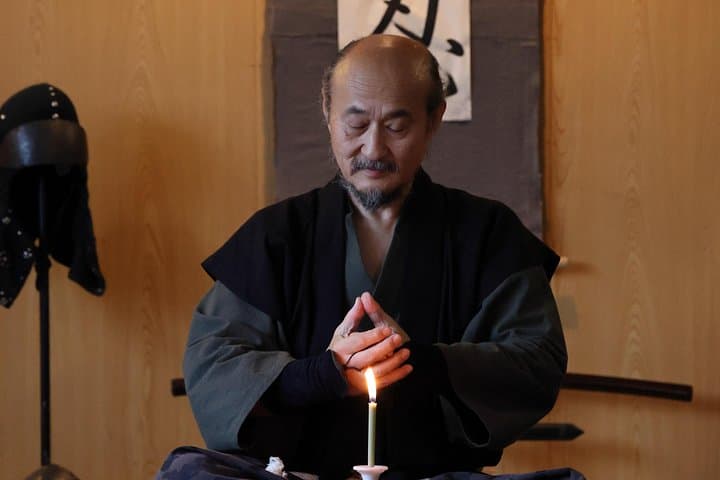
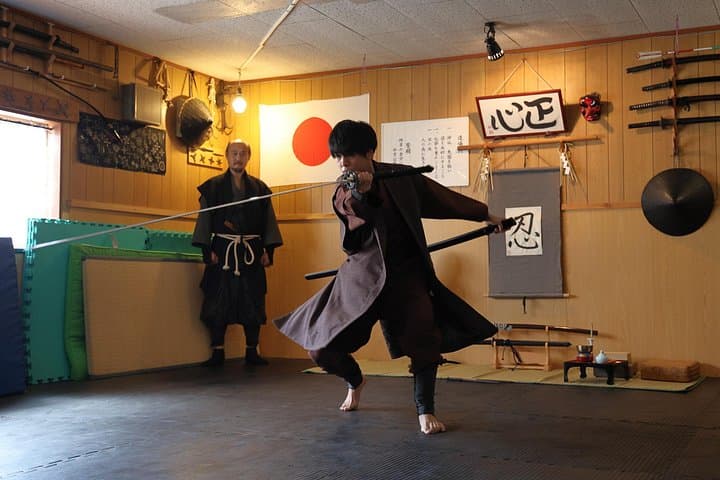
You step through a polished sliding door and the city noise thins: the dojo floor takes over the rhythm—wood underfoot, breath measured, the precise scrape of cloth. For two hours you train in a real ninja space, not a show set—learning footwork, throwing posture, and a disciplined mindset under an instructor whose accolades come from decades of competitive and traditional practice.
Verified experiences and guided adventures in the surrounding area.
Operated by Japan Food Journey · Yokohama, Kanagawa
You step through a polished sliding door and the city noise thins: the dojo floor takes over the rhythm—wood underfoot, breath measured, the precise scrape of cloth. For two hours you train in a real ninja space, not a show set—learning footwork, throwing posture, and a disciplined mindset under an instructor whose accolades come from decades of competitive and traditional practice.
This program traces techniques rooted in feudal-era Iga and Kōga traditions, filtered through modern dojo pedagogy. Yokohama itself sits on reclaimed coastal plains where Edo-period trade routes met the open water; the city’s port history shaped its role as a gateway for cultural exchange, and modern martial arts schools here reflect that blend of tradition and adaptation.
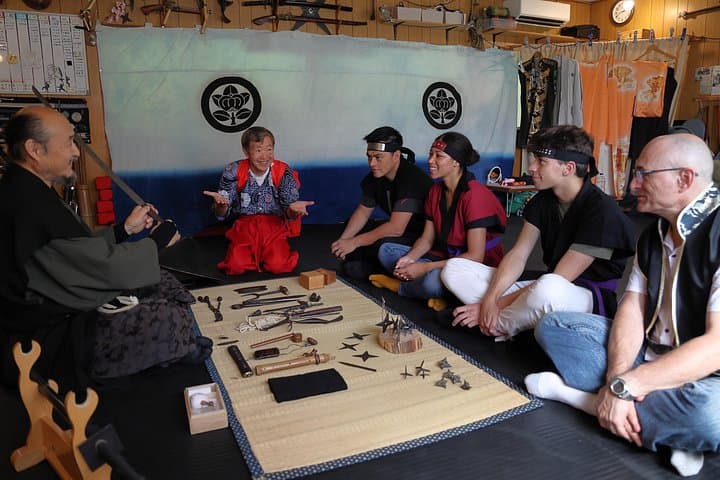
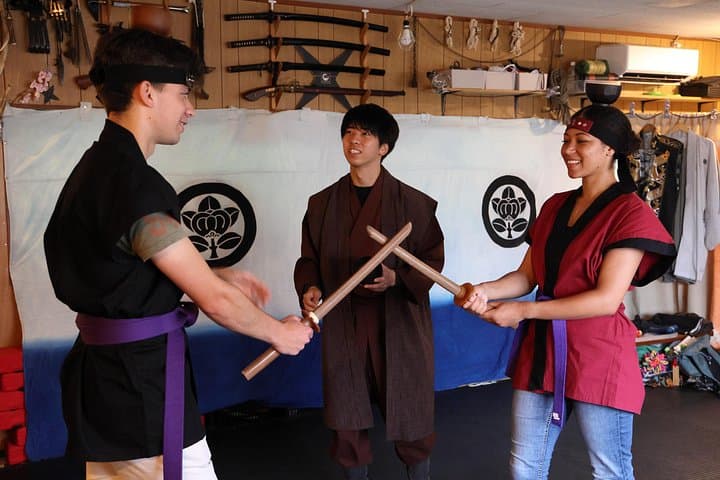
Expect hands-on drills—silent movement practice, basic shuriken form, mental focus exercises—and guided discussion about samurai ethics and shinobi philosophy that shaped regional culture. The space is intimate and structured: mats, wooden beams, and clear instruction designed for all fitness levels.
Practical guidance: arrive in lightweight, flexible clothing; remove outdoor shoes before entering the dojo; disclose any back, heart, or pregnancy concerns in advance. The session culminates in a Level 3 Yin‑Yang Shinobi Certificate—more a marker of completion than a formal rank, but meaningful as a souvenir of authentic training.
Plan your visit from central Yokohama, combine the experience with nearby Sankeien Garden or the CupNoodles Museum, and use public transit—the dojo is in a compact urban neighborhood where punctuality and respect for space matter. Hydrate, move deliberately, and be prepared to leave the dojo a little quieter and more focused than when you arrived.
No; the session is designed for beginners and adapts techniques so newcomers can learn safely.
Policies vary—bookings typically require age information; check with the operator for minimum age limits and supervision rules.
An English guide is included, but you may encounter some Japanese terminology; instructors usually explain concepts in approachable terms.
The Level 3 Yin‑Yang Shinobi Certificate marks completion of the session’s curriculum rather than a formal historical rank; it recognizes your participation and learning.
Japan Food Journey operates guided outdoor trips and adventures with an emphasis on safety, stewardship, and memorable experiences.
You step through a polished sliding door and the city noise thins: the dojo floor takes over the rhythm—wood underfoot, breath measured, the precise scrape of cloth. For two hours you train in a real ninja space, not a show set—learning footwork, throwing posture, and a disciplined mindset under an instructor whose accolades come from decades of competitive and traditional practice.
You step through a polished sliding door and the city noise thins: the dojo floor takes over the rhythm—wood underfoot, breath measured, the precise scrape of cloth. For two hours you train in a real ninja space, not a show set—learning footwork, throwing posture, and a disciplined mindset under an instructor whose accolades come from decades of competitive and traditional practice.
This program traces techniques rooted in feudal-era Iga and Kōga traditions, filtered through modern dojo pedagogy. Yokohama itself sits on reclaimed coastal plains where Edo-period trade routes met the open water; the city’s port history shaped its role as a gateway for cultural exchange, and modern martial arts schools here reflect that blend of tradition and adaptation.
Expect hands-on drills—silent movement practice, basic shuriken form, mental focus exercises—and guided discussion about samurai ethics and shinobi philosophy that shaped regional culture. The space is intimate and structured: mats, wooden beams, and clear instruction designed for all fitness levels.
Practical guidance: arrive in lightweight, flexible clothing; remove outdoor shoes before entering the dojo; disclose any back, heart, or pregnancy concerns in advance. The session culminates in a Level 3 Yin‑Yang Shinobi Certificate—more a marker of completion than a formal rank, but meaningful as a souvenir of authentic training.
Plan your visit from central Yokohama, combine the experience with nearby Sankeien Garden or the CupNoodles Museum, and use public transit—the dojo is in a compact urban neighborhood where punctuality and respect for space matter. Hydrate, move deliberately, and be prepared to leave the dojo a little quieter and more focused than when you arrived.