THE ADVENTURE COLLECTIVE® · Independent discovery and booking for outdoor travel

A five-day loop through southeastern Senegal that pairs safari drives in Niokolo-Koba with Bedik village hikes and a swim beneath the 80 m Dindéfelo waterfall. Expect long drives, early starts, and close encounters with riverine wildlife and highland culture.
A five-day loop through southeastern Senegal that pairs safari drives in Niokolo-Koba with Bedik village hikes and a swim beneath the 80 m Dindéfelo waterfall. Expect long drives, early starts, and close encounters with riverine wildlife and highland culture.
Morning light carves the scrub as you leave the asphalt behind, the vehicle bumping through baobab-sprinkled savannah toward the green pulse of Niokolo-Koba.
Verified experiences and guided adventures in the surrounding area.
Operated by Senegal Tourist Guide · Kédougou, Kédougou Region
Morning light carves the scrub as you leave the asphalt behind, the vehicle bumping through baobab-sprinkled savannah toward the green pulse of Niokolo-Koba.
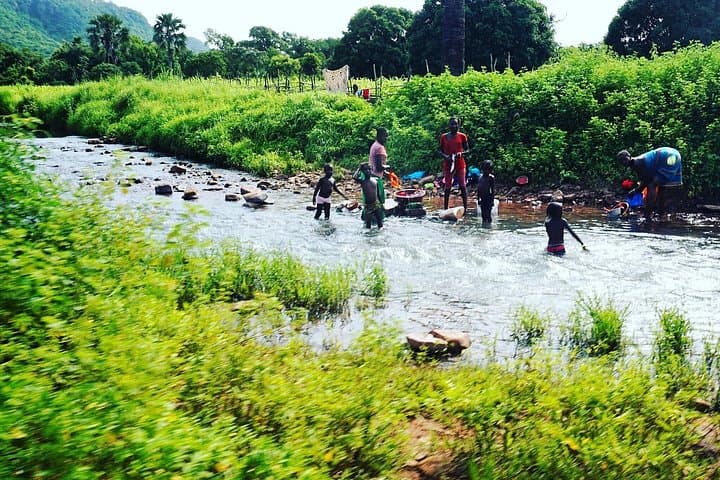
In the first hours the Gambia River will catch your eye—broad, patient, pushing life into riverine galleries where hippos surface like slow islands and hornbills dispatch the air with urgent calls. By day two you’re following an animal guide into dense vegetation for game viewing; by day three you’re ascending the steep, terraced lanes of Iwol to meet the Bedik people and then threading a shaded path to Dindéfelo waterfall, an 80 m curtain that invites a cool swim.
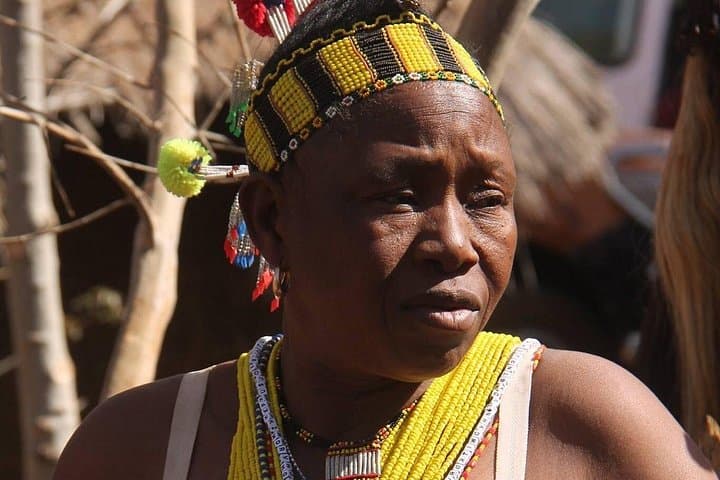
Niokolo-Koba National Park was created mid-20th century and earned UNESCO recognition for its rich West African ecosystems; geology here alternates riverine alluvium and weathered Precambrian outcrops that funnel seasonal water into dramatic falls. The Bedik community retains distinct cultural practices and hillside settlements; markets and artisanal gold workings at Tomboronkoto reflect the region’s resource-driven history.
Practical guidance: expect long drives between sites—plan for early departures and a relaxed pace. Bring strong walking shoes for rocky tracks and a modest daypack for swims and village visits. Malaria precautions, up-to-date vaccines, and local-currency cash are practical necessities; always ask before photographing people and follow your guide’s instructions in the park.
This itinerary balances wildlife viewing from open vehicles, cultural walking, and short hikes to freshwater pools—an immersive, multi-day loop that demands moderate fitness and rewards steady attention to landscape, wildlife, and local life.
Older children who can tolerate long drives and early mornings will do fine; young children may struggle with long transfers and rough roads.
Lions and leopards are present but sightings are rare; expect reliable sightings of antelope, warthogs, primates, and diverse birds.
Park entrance fees and guided safari vehicles are standard—these are typically included by organized tours but confirm with your operator.
The waterfall’s pool is commonly used for swimming; check local conditions and follow guide advice about currents and slippery rocks.
Senegal Tourist Guide operates guided outdoor trips and adventures with an emphasis on safety, stewardship, and memorable experiences.


Morning light carves the scrub as you leave the asphalt behind, the vehicle bumping through baobab-sprinkled savannah toward the green pulse of Niokolo-Koba.
Morning light carves the scrub as you leave the asphalt behind, the vehicle bumping through baobab-sprinkled savannah toward the green pulse of Niokolo-Koba.
In the first hours the Gambia River will catch your eye—broad, patient, pushing life into riverine galleries where hippos surface like slow islands and hornbills dispatch the air with urgent calls. By day two you’re following an animal guide into dense vegetation for game viewing; by day three you’re ascending the steep, terraced lanes of Iwol to meet the Bedik people and then threading a shaded path to Dindéfelo waterfall, an 80 m curtain that invites a cool swim.
Niokolo-Koba National Park was created mid-20th century and earned UNESCO recognition for its rich West African ecosystems; geology here alternates riverine alluvium and weathered Precambrian outcrops that funnel seasonal water into dramatic falls. The Bedik community retains distinct cultural practices and hillside settlements; markets and artisanal gold workings at Tomboronkoto reflect the region’s resource-driven history.
Practical guidance: expect long drives between sites—plan for early departures and a relaxed pace. Bring strong walking shoes for rocky tracks and a modest daypack for swims and village visits. Malaria precautions, up-to-date vaccines, and local-currency cash are practical necessities; always ask before photographing people and follow your guide’s instructions in the park.
This itinerary balances wildlife viewing from open vehicles, cultural walking, and short hikes to freshwater pools—an immersive, multi-day loop that demands moderate fitness and rewards steady attention to landscape, wildlife, and local life.