THE ADVENTURE COLLECTIVE® · Independent discovery and booking for outdoor travel

Taste Kyoto’s food culture on a guided walk through Nishiki Market, then learn to roll sushi and sample sake inside a restored kyomachiya. This private, hands-on class highlights seasonal ingredients, technique, and cultural context.
Taste Kyoto’s food culture on a guided walk through Nishiki Market, then learn to roll sushi and sample sake inside a restored kyomachiya. This private, hands-on class highlights seasonal ingredients, technique, and cultural context.
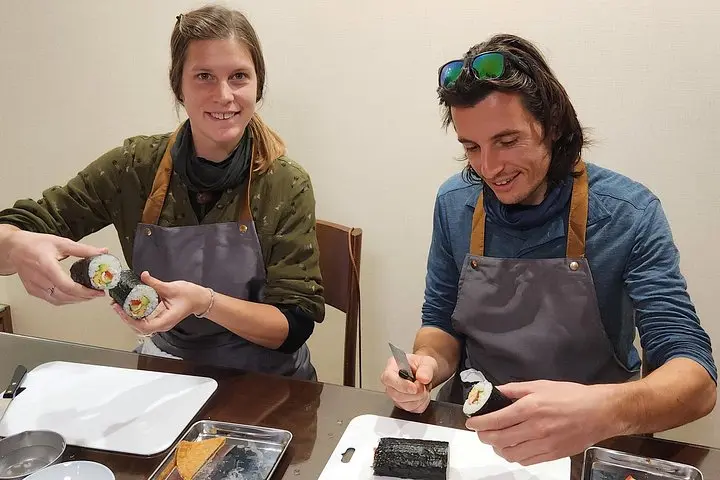
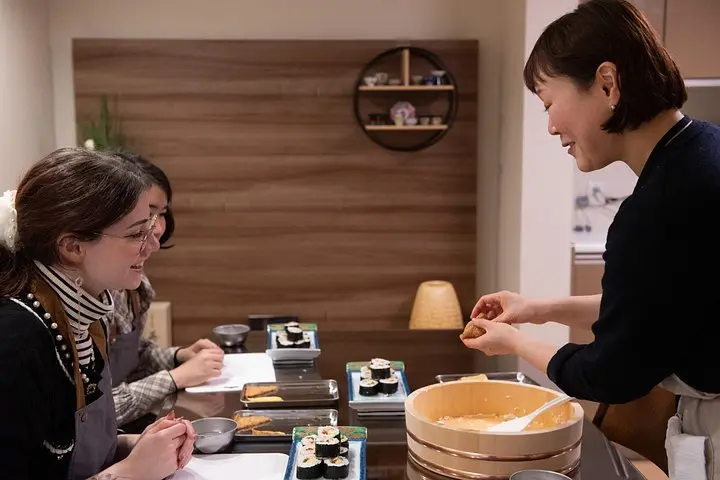
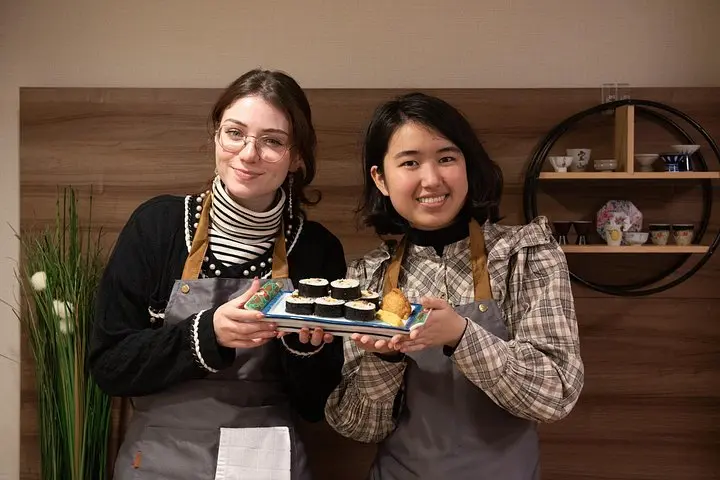
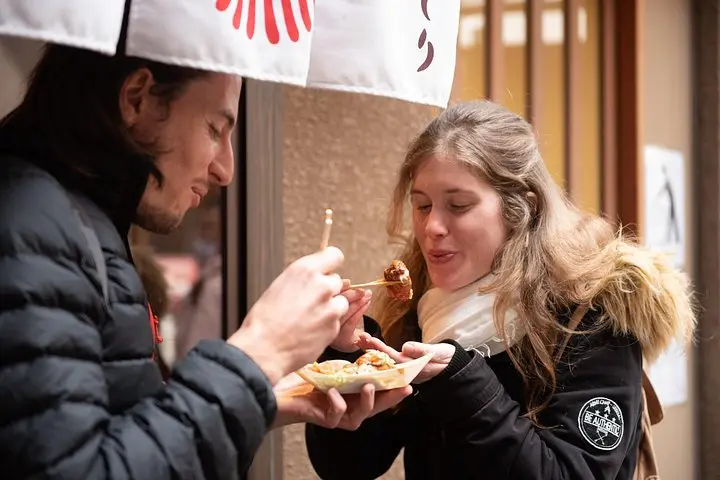
Walk under the low awnings of Nishiki Market and the city’s smells—soy, grilled fish, and sweet mochi—press close like a welcome. The five-block market moves with a rhythm: vendors call prices, chop fish, and slide ceramic plates across counters while shoppers sample salty pickles and seasonal seafood. From there participants step into a restored kyomachiya, where paper screens and wooden beams frame a private sushi workshop and a compact sake tasting.
Verified experiences and guided adventures in the surrounding area.
Operated by ホプテラス · Kyoto, Kyoto Prefecture
Walk under the low awnings of Nishiki Market and the city’s smells—soy, grilled fish, and sweet mochi—press close like a welcome. The five-block market moves with a rhythm: vendors call prices, chop fish, and slide ceramic plates across counters while shoppers sample salty pickles and seasonal seafood. From there participants step into a restored kyomachiya, where paper screens and wooden beams frame a private sushi workshop and a compact sake tasting.
Nishiki Market has operated for roughly 400 years, originally supplying Kyoto’s merchants and temples. The market’s geology is urban: narrow streets built over the lines of old canals that once carried fresh catches, now lined with shops selling knives, pickles, and dashi ingredients that define Kyoto cuisine. The townhouse experience pairs that history with hands-on technique — rolling makizushi, simmering miso with dashi, and learning the etiquette of sake tasting and matcha preparation.
Expect intimate instruction, local ingredients, and an emphasis on seasonality; the market’s offerings shift with the local harvest and cold-water catches. Practical notes: arrive hungry and on time, wear comfortable shoes for the market stroll, and bring a small bag for purchases. The class caters to dietary requirements with advance notice and provides recipe booklets so the lessons travel home with you.
This experience balances sensory discovery in a busy market with calm, focused practice in a traditional townhouse — ideal for travelers who want cultural context plus a tangible culinary skill to keep.
Yes — the instructor leads through fundamental techniques for rolling sushi, making miso soup, and basic sake tasting, with hands-on guidance.
Yes — dietary restrictions can be accommodated if you notify the operator when booking.
Expect roughly 20–30 minutes of walking through Nishiki Market at a relaxed pace, plus standing during the townhouse session.
Yes — a mini sake tasting is part of the itinerary and included in the experience price.
ホプテラス operates guided outdoor trips and adventures with an emphasis on safety, stewardship, and memorable experiences.
Walk under the low awnings of Nishiki Market and the city’s smells—soy, grilled fish, and sweet mochi—press close like a welcome. The five-block market moves with a rhythm: vendors call prices, chop fish, and slide ceramic plates across counters while shoppers sample salty pickles and seasonal seafood. From there participants step into a restored kyomachiya, where paper screens and wooden beams frame a private sushi workshop and a compact sake tasting.
Walk under the low awnings of Nishiki Market and the city’s smells—soy, grilled fish, and sweet mochi—press close like a welcome. The five-block market moves with a rhythm: vendors call prices, chop fish, and slide ceramic plates across counters while shoppers sample salty pickles and seasonal seafood. From there participants step into a restored kyomachiya, where paper screens and wooden beams frame a private sushi workshop and a compact sake tasting.
Nishiki Market has operated for roughly 400 years, originally supplying Kyoto’s merchants and temples. The market’s geology is urban: narrow streets built over the lines of old canals that once carried fresh catches, now lined with shops selling knives, pickles, and dashi ingredients that define Kyoto cuisine. The townhouse experience pairs that history with hands-on technique — rolling makizushi, simmering miso with dashi, and learning the etiquette of sake tasting and matcha preparation.
Expect intimate instruction, local ingredients, and an emphasis on seasonality; the market’s offerings shift with the local harvest and cold-water catches. Practical notes: arrive hungry and on time, wear comfortable shoes for the market stroll, and bring a small bag for purchases. The class caters to dietary requirements with advance notice and provides recipe booklets so the lessons travel home with you.
This experience balances sensory discovery in a busy market with calm, focused practice in a traditional townhouse — ideal for travelers who want cultural context plus a tangible culinary skill to keep.