
Nizwa and Jabrin Day Trip: Forts, Oases, and Jabrin Castle from Muscat
A full-day private drive from Muscat to Nizwa and Jabrin that mixes fortified architecture, working oases, and intimate interiors. Ideal for travelers who want cultural depth with easy walking and clear logistics.
An Adventure In Muscat.
A full-day private drive from Muscat to Nizwa and Jabrin that mixes fortified architecture, working oases, and intimate interiors. Ideal for travelers who want cultural depth with easy walking and clear logistics.
Read the full experience
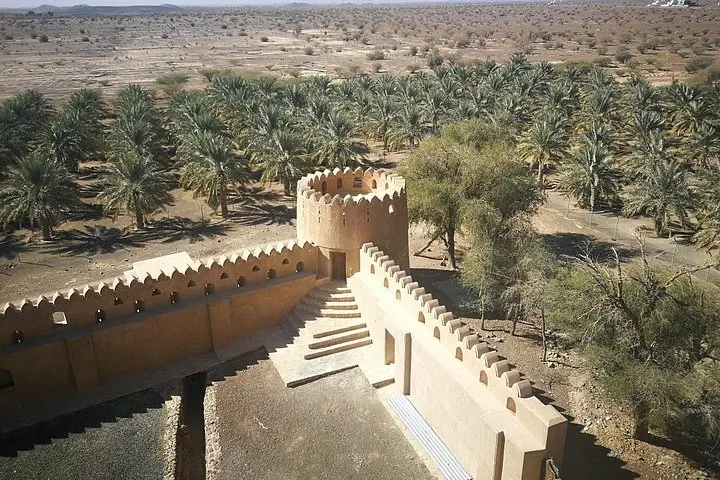
You leave Muscat before sunrise and the highway pulls you inland toward a landscape that alternates between ochre wadis and splashes of green. Date palms crowd the edges of Birkat al Mauz, their trunks like columns that steady the valley while the nearby falaj channels whisper the route of irrigation that has sustained settlements for centuries.
You leave Muscat before sunrise and the highway pulls you inland toward a landscape that alternates between ochre wadis and splashes of green. Date palms crowd the edges of Birkat al Mauz, their trunks like columns that steady the valley while the nearby falaj channels whisper the route of irrigation that has sustained settlements for centuries.
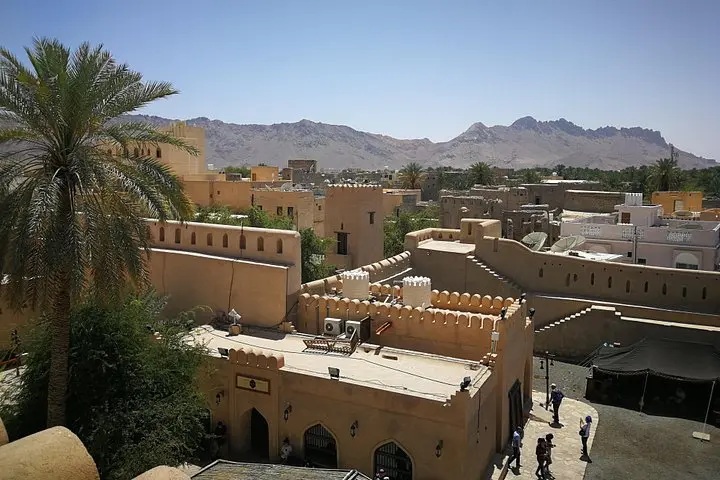
Nizwa — once the capital of Oman’s interior and long associated with the spread of Islam within the sultanate — presents a 17th-century round tower that still watches over a market where silver and pottery trade hands the old way. A short drive places you at Jabrin Castle, an imam’s residence finished in the 17th century with painted ceilings and intricate woodwork that reveal a domestic diplomacy between defensive design and refined craftsmanship.
Geology here is honest and visible: folding limestone and gravelly wadis carved by seasonal flash floods, with forts sited to command passes and water sources. Bahla Fort, a UNESCO site nearby, hints at the fortified network that once defined interior power. Local culture is tactile — date plantations, falaj irrigation, and traditional souk bargaining — and guides will point out how water management shaped settlement.
Practically, expect a full nine-hour day with mostly short walks, museum-style interiors and photo stops in villages. Midday heat can intensify; hydrate and wear a sun hat. The tour is accessible to most fitness levels but carries a cultural etiquette: dress modestly in public spaces and take shoes off where requested inside historic rooms. Bring a lightweight layer for higher-elevation breezes at morning and dusk and a camera for tight architectural details you won’t want to miss.
Frequently asked questions
Yes—admissions listed on the itinerary and a picnic lunch with bottled water are included in the tour price.
The private tour runs about nine hours and typically departs from Muscat; confirm your pickup point at booking.
The tour is described as physically easy and can accommodate infants (lap seating) and children, but some historic sites have stairs and uneven floors; it’s not recommended for travelers with serious spinal or cardiovascular conditions.
Bahla Fort is in the same region and often cited on regional itineraries; inclusion varies—ask the operator if an entrance or photo stop is part of your specific booking.
About This Experience
Hashtag Oman Tourism operates guided outdoor trips and adventures with an emphasis on safety, stewardship, and memorable experiences.
Adventure tips
Recommended gear
- Refillable water bottle: Keeps you hydrated across long drives and sun-exposed stops; bottled water is provided but having your own is practical.
- Sturdy walking shoes: Closed shoes handle uneven floors, courtyards, and short oasis walks better than sandals.
- Sun hat and sunglasses: Protects from intense sun at outdoor forts and in open wadis.
- Light layer or windbreaker: Useful for cooler mornings or breezy evenings, especially on higher ground.
Photos of the experience
Related adventures & guides
Read the full experience
You leave Muscat before sunrise and the highway pulls you inland toward a landscape that alternates between ochre wadis and splashes of green. Date palms crowd the edges of Birkat al Mauz, their trunks like columns that steady the valley while the nearby falaj channels whisper the route of irrigation that has sustained settlements for centuries.
You leave Muscat before sunrise and the highway pulls you inland toward a landscape that alternates between ochre wadis and splashes of green. Date palms crowd the edges of Birkat al Mauz, their trunks like columns that steady the valley while the nearby falaj channels whisper the route of irrigation that has sustained settlements for centuries.
Nizwa — once the capital of Oman’s interior and long associated with the spread of Islam within the sultanate — presents a 17th-century round tower that still watches over a market where silver and pottery trade hands the old way. A short drive places you at Jabrin Castle, an imam’s residence finished in the 17th century with painted ceilings and intricate woodwork that reveal a domestic diplomacy between defensive design and refined craftsmanship.
Geology here is honest and visible: folding limestone and gravelly wadis carved by seasonal flash floods, with forts sited to command passes and water sources. Bahla Fort, a UNESCO site nearby, hints at the fortified network that once defined interior power. Local culture is tactile — date plantations, falaj irrigation, and traditional souk bargaining — and guides will point out how water management shaped settlement.
Practically, expect a full nine-hour day with mostly short walks, museum-style interiors and photo stops in villages. Midday heat can intensify; hydrate and wear a sun hat. The tour is accessible to most fitness levels but carries a cultural etiquette: dress modestly in public spaces and take shoes off where requested inside historic rooms. Bring a lightweight layer for higher-elevation breezes at morning and dusk and a camera for tight architectural details you won’t want to miss.
Make a day of it nearby.
Verified experiences and guided adventures in the surrounding area.