THE ADVENTURE COLLECTIVE® · Independent discovery and booking for outdoor travel

Visit Nizwa’s 17th-century fort, judge the urgency of a Friday cattle market, and tour Jabreen’s painted halls and UNESCO-listed Bahla Fort in a full-day cultural loop. Early departures and sensible footwear make the day run smoothly.
Visit Nizwa’s 17th-century fort, judge the urgency of a Friday cattle market, and tour Jabreen’s painted halls and UNESCO-listed Bahla Fort in a full-day cultural loop. Early departures and sensible footwear make the day run smoothly.
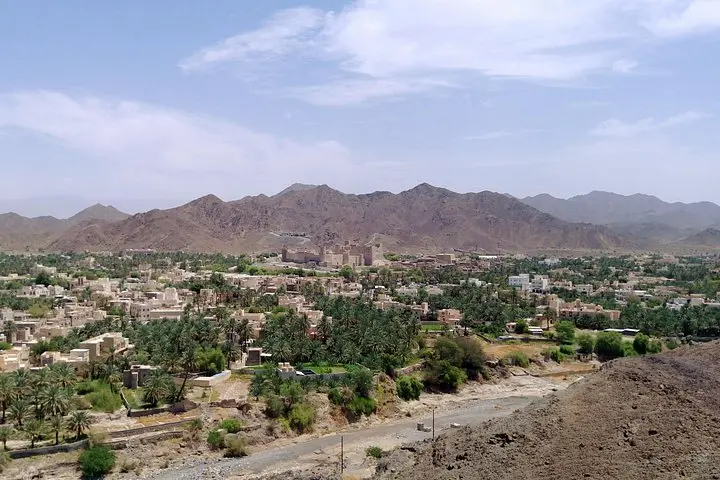
A low, ochre sun breaks across the gravel plain as the road from Muscat narrows toward Nizwa; by mid-morning the town’s 17th-century circular fort rises like a watchful hand above the souq. On Fridays the cattle market pulses with traders shouting prices, resilient livestock shouldering through dust and commerce—a raw, living counterpoint to the cool stone chambers of Jabreen Castle and the crenellated mass of Bahla Fort.
Verified experiences and guided adventures in the surrounding area.
Operated by Majan Views Tourism · Nizwa, Ad Dakhiliyah
A low, ochre sun breaks across the gravel plain as the road from Muscat narrows toward Nizwa; by mid-morning the town’s 17th-century circular fort rises like a watchful hand above the souq. On Fridays the cattle market pulses with traders shouting prices, resilient livestock shouldering through dust and commerce—a raw, living counterpoint to the cool stone chambers of Jabreen Castle and the crenellated mass of Bahla Fort.
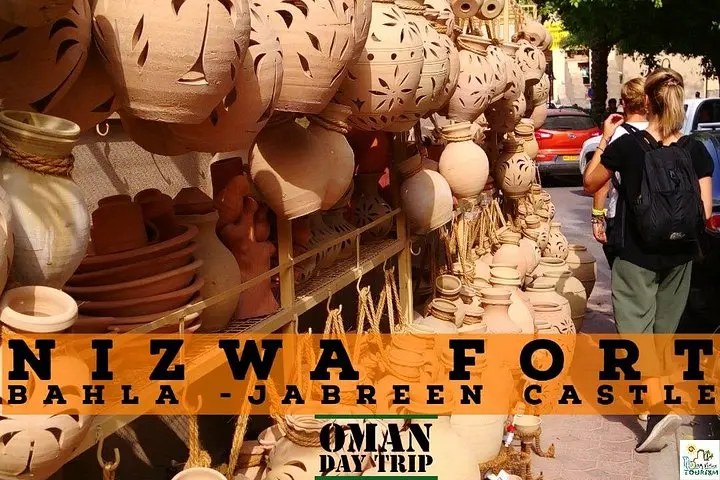
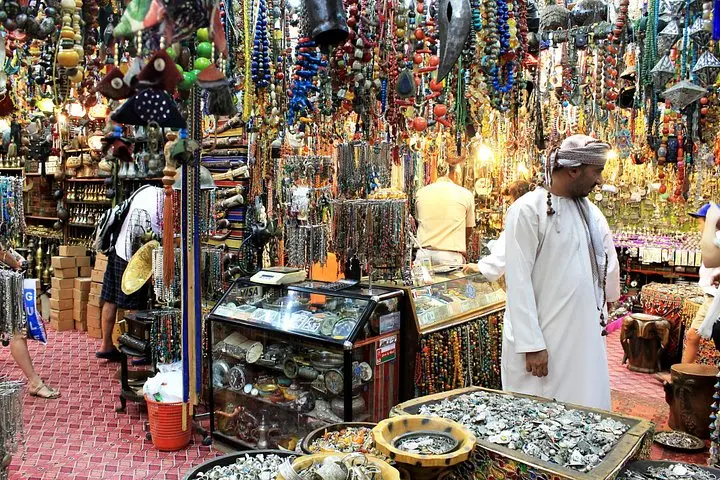
These sites sketch Oman’s inland story: Nizwa guarded the Sumail Gap during internal power struggles, Jabreen showcases late-17th-century Yaruba-era plasterwork and painted ceilings, and Bahla—an ancient, UNESCO-recognized fortress—anchors a network of old clay villages and potteries. Geologically, the limestone ridges and wadi-cut valleys shape travel routes; culturally, silver khanjars and souq crafts reveal enduring artisan traditions.
Expect active walking across uneven floors, narrow staircases at Jabreen, and open ramparts at Bahla with wind that presses history into the skin. Vendors set up in the morning and the live market is at its most vivid before noon—timing matters.
Practical guidance: leave Muscat at dawn if you want the cattle market, wear sturdy shoes for cobbled courtyards, bring sun protection and local cash for small purchases. Respect photography requests around livestock and private stalls, and allow extra time between sites—the distances are short but parking and crowds add minutes. This full-day loop delivers history, market energy, and fortress architecture in concentrated, travel-ready doses.
Most forts charge a modest entry fee paid on-site; confirm with your operator whether admissions are included in the booking.
Yes—the live cattle market in Nizwa traditionally runs on Fridays and is busiest in the morning; schedule the tour accordingly.
Expect about 1.5–2 hours each way from Muscat to Nizwa depending on traffic and stops; the full-day tour runs 8–10 hours overall.
The tour is family-friendly but involves walking on uneven surfaces and stairs; travelers with mobility issues should check accessibility and avoid crowded market bursts.
Majan Views Tourism operates guided outdoor trips and adventures with an emphasis on safety, stewardship, and memorable experiences.
A low, ochre sun breaks across the gravel plain as the road from Muscat narrows toward Nizwa; by mid-morning the town’s 17th-century circular fort rises like a watchful hand above the souq. On Fridays the cattle market pulses with traders shouting prices, resilient livestock shouldering through dust and commerce—a raw, living counterpoint to the cool stone chambers of Jabreen Castle and the crenellated mass of Bahla Fort.
A low, ochre sun breaks across the gravel plain as the road from Muscat narrows toward Nizwa; by mid-morning the town’s 17th-century circular fort rises like a watchful hand above the souq. On Fridays the cattle market pulses with traders shouting prices, resilient livestock shouldering through dust and commerce—a raw, living counterpoint to the cool stone chambers of Jabreen Castle and the crenellated mass of Bahla Fort.
These sites sketch Oman’s inland story: Nizwa guarded the Sumail Gap during internal power struggles, Jabreen showcases late-17th-century Yaruba-era plasterwork and painted ceilings, and Bahla—an ancient, UNESCO-recognized fortress—anchors a network of old clay villages and potteries. Geologically, the limestone ridges and wadi-cut valleys shape travel routes; culturally, silver khanjars and souq crafts reveal enduring artisan traditions.
Expect active walking across uneven floors, narrow staircases at Jabreen, and open ramparts at Bahla with wind that presses history into the skin. Vendors set up in the morning and the live market is at its most vivid before noon—timing matters.
Practical guidance: leave Muscat at dawn if you want the cattle market, wear sturdy shoes for cobbled courtyards, bring sun protection and local cash for small purchases. Respect photography requests around livestock and private stalls, and allow extra time between sites—the distances are short but parking and crowds add minutes. This full-day loop delivers history, market energy, and fortress architecture in concentrated, travel-ready doses.