THE ADVENTURE COLLECTIVE® · Independent discovery and booking for outdoor travel

Drive from Nizwa into the Hajar Mountains to stand above Wadi Ghul — Oman’s Grand Canyon. This full‑day tour mixes cultural stops at Nizwa Fort and souq with dramatic rim viewpoints at Jebel Shams.
Drive from Nizwa into the Hajar Mountains to stand above Wadi Ghul — Oman’s Grand Canyon. This full‑day tour mixes cultural stops at Nizwa Fort and souq with dramatic rim viewpoints at Jebel Shams.
You arrive before the sun climbs the steep rim of Wadi Ghul and the mountain air bites with a clarity the coast never shows. The road from Nizwa climbs out of palm-fringed wadis into a stony moonscape; scrubby acacias lean into the wind and the canyon’s sheer walls drop away like pages torn from the earth. Jebel Shams isn’t just a peak — it’s a vantage that forces you to look down into Arabia’s “Grand Canyon,” where light slides across 1,000-meter cliffs.
Verified experiences and guided adventures in the surrounding area.
Operated by GidOman · Nizwa, Ad Dakhiliyah
You arrive before the sun climbs the steep rim of Wadi Ghul and the mountain air bites with a clarity the coast never shows. The road from Nizwa climbs out of palm-fringed wadis into a stony moonscape; scrubby acacias lean into the wind and the canyon’s sheer walls drop away like pages torn from the earth. Jebel Shams isn’t just a peak — it’s a vantage that forces you to look down into Arabia’s “Grand Canyon,” where light slides across 1,000-meter cliffs.
The route threads through Nizwa, a market town with roots as a 17th‑century political and commercial center. Nizwa Fort, built to control the wadi below, stands on a spring-fed bed of history; nearby souqs keep craft traditions—silver khanjars and pottery—alive. Geologically, the Hajar Mountains are uplifted limestone and metamorphic layers carved by episodic rivers and millennia of erosion; you’ll see strata exposed as clean bands on the canyon walls.
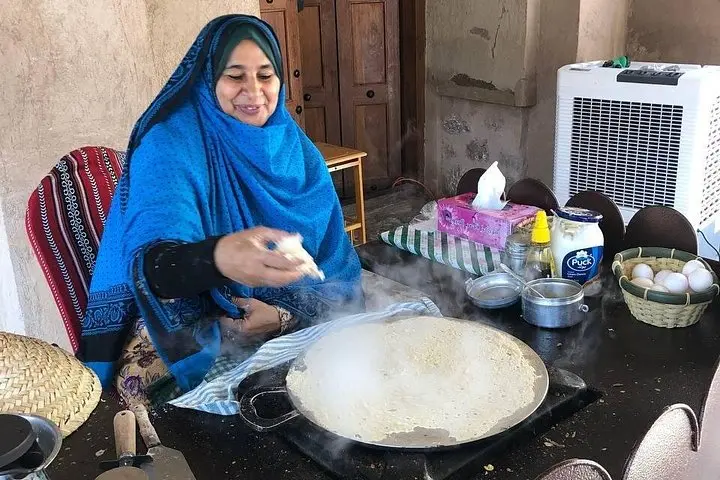
Culturally the area is conservative and proud: dress respectfully in towns, and accept invitations to taste local dates and coffee. Expect a mix of paved road and rough 4WD tracks; drivers are skilled at reading sudden washouts and high desert wind. Practical planning: start early to avoid midday heat, bring sun protection, layered clothing for cool rim mornings, and plenty of water. The day includes an air‑conditioned transfer, a lunch stop, brief walks and viewpoints rather than technical climbing, making this a full, accessible wilderness day for most fit travelers.
Most shared tours include transport and lunch but typically do not include historic site entrance fees; check the booking details before you go.
Direct driving from Muscat to Nizwa is about 1.5–2 hours; a full-day tour that includes Jebel Shams and viewpoints runs roughly 10 hours total including stops.
Yes—this tour is suitable for a wide range of ages; walks are short and non-technical, but be prepared for long vehicle time and some uneven ground.
October–March offers cooler temperatures and clearer skies; summer can be very hot at lower elevations, though the rim is milder in the early morning.
GidOman operates guided outdoor trips and adventures with an emphasis on safety, stewardship, and memorable experiences.
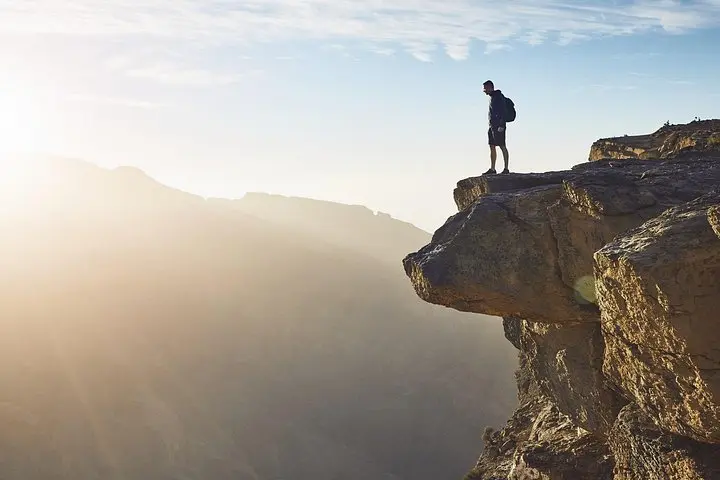
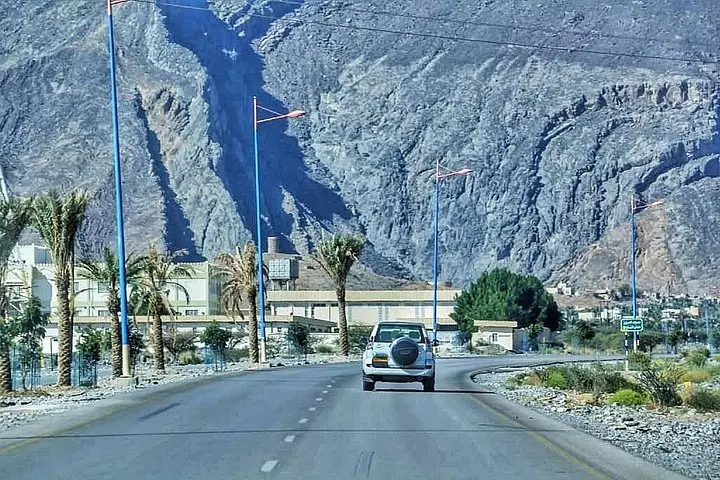
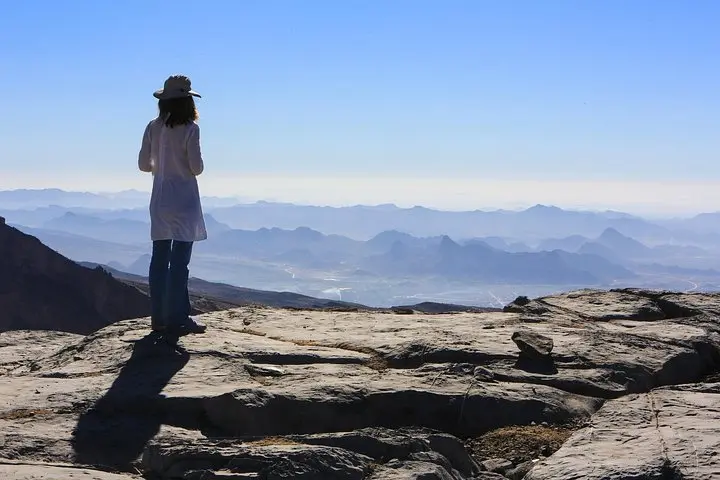
You arrive before the sun climbs the steep rim of Wadi Ghul and the mountain air bites with a clarity the coast never shows. The road from Nizwa climbs out of palm-fringed wadis into a stony moonscape; scrubby acacias lean into the wind and the canyon’s sheer walls drop away like pages torn from the earth. Jebel Shams isn’t just a peak — it’s a vantage that forces you to look down into Arabia’s “Grand Canyon,” where light slides across 1,000-meter cliffs.
You arrive before the sun climbs the steep rim of Wadi Ghul and the mountain air bites with a clarity the coast never shows. The road from Nizwa climbs out of palm-fringed wadis into a stony moonscape; scrubby acacias lean into the wind and the canyon’s sheer walls drop away like pages torn from the earth. Jebel Shams isn’t just a peak — it’s a vantage that forces you to look down into Arabia’s “Grand Canyon,” where light slides across 1,000-meter cliffs.
The route threads through Nizwa, a market town with roots as a 17th‑century political and commercial center. Nizwa Fort, built to control the wadi below, stands on a spring-fed bed of history; nearby souqs keep craft traditions—silver khanjars and pottery—alive. Geologically, the Hajar Mountains are uplifted limestone and metamorphic layers carved by episodic rivers and millennia of erosion; you’ll see strata exposed as clean bands on the canyon walls.
Culturally the area is conservative and proud: dress respectfully in towns, and accept invitations to taste local dates and coffee. Expect a mix of paved road and rough 4WD tracks; drivers are skilled at reading sudden washouts and high desert wind. Practical planning: start early to avoid midday heat, bring sun protection, layered clothing for cool rim mornings, and plenty of water. The day includes an air‑conditioned transfer, a lunch stop, brief walks and viewpoints rather than technical climbing, making this a full, accessible wilderness day for most fit travelers.