THE ADVENTURE COLLECTIVE® · Independent discovery and booking for outdoor travel

Ride the Noboribetsu ropeway to a summit of steam and forest, observe Hokkaido’s brown bears safely, and walk the sulfur-scented boardwalks of Jigokudani. This three-hour guided tour pairs volcanic geology with Ainu cultural insight—ideal for a compact, sensory half-day.
Ride the Noboribetsu ropeway to a summit of steam and forest, observe Hokkaido’s brown bears safely, and walk the sulfur-scented boardwalks of Jigokudani. This three-hour guided tour pairs volcanic geology with Ainu cultural insight—ideal for a compact, sensory half-day.
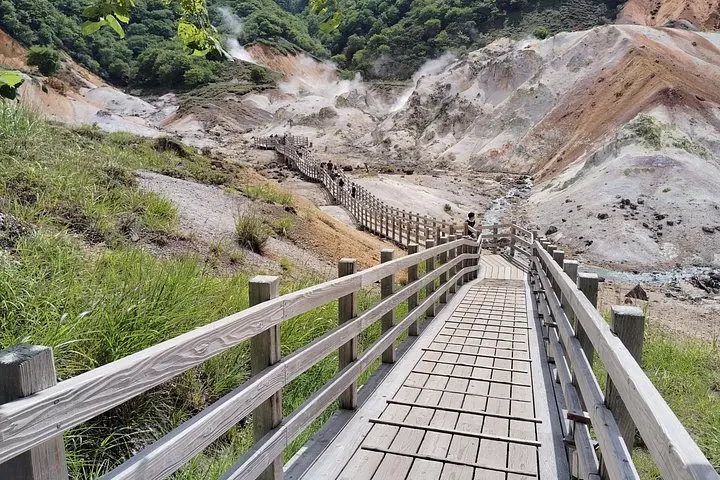
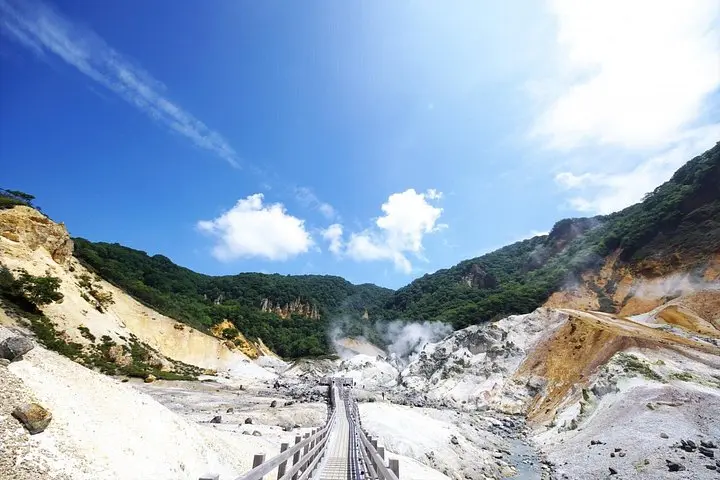
Stepping off the ropeway at Mount Shihorei, steam hisses below like a living thing and the air takes on a sharp, mineral tang. The summit opens to a bowl of dark forest and the distant, glassy rim of Lake Kuttara; below, boardwalks thread through the sulfurous folds of Jigokudani, where the earth seems to breathe.
Verified experiences and guided adventures in the surrounding area.
Operated by DeepExperience · Noboribetsu, Hokkaido
Stepping off the ropeway at Mount Shihorei, steam hisses below like a living thing and the air takes on a sharp, mineral tang. The summit opens to a bowl of dark forest and the distant, glassy rim of Lake Kuttara; below, boardwalks thread through the sulfurous folds of Jigokudani, where the earth seems to breathe.
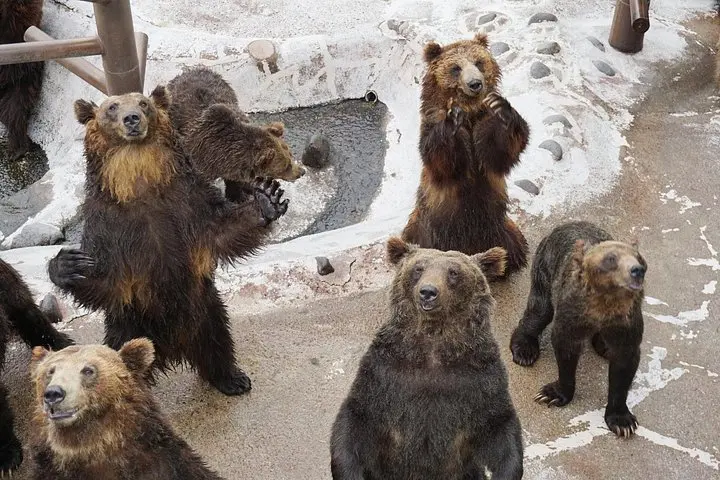
This short, guided circuit ties volcanic geology to human story: Jigokudani’s fumaroles and boiling ponds are direct expressions of Hokkaido’s restless underground, the same forces that feed Noboribetsu’s onsen. For centuries Ainu people have read animal behavior and landscape features as spiritual language—brown bears once honored as kimun kamuy, the mountain deity. The Bear Park and its adjacent Bear Museum frame that cultural context while offering close, safe observation of Hokkaido’s brown bears and interpretive displays on ecology and conservation.
Expect tidy boardwalks and short uphill steps rather than long hikes. The ropeway ride gives panoramic views ideal for photography; the park includes interpretive zones like Yukara no Sato that showcase Ainu crafts and stories. Practical notes: wear closed-toe shoes with grip for wet, sulfur-stained paths; dress in layers—the summit can be markedly cooler and windier than the valley; bring water and a windproof shell. Respect posted barriers at thermal vents; steam and hot water are dangerously hot. If you're traveling from Sapporo, allow 1.5–2.5 hours transit time by train and bus.
This is a compact, sensory-rich half-day that pairs geology with living culture—accessible, informative, and best enjoyed with a guide who can translate steam and story into clear, memorable meaning.
On this guided tour the itinerary notes admission to the ropeway and Bear Park is included; check your booking confirmation for specifics.
The tour provides a guided visit to Noboribetsu Onsen’s area and history, but onsen bathing is typically not included—day-bathers can visit public baths before or after the tour and should follow onsen etiquette.
Yes—bears are kept in secure enclosures and viewing is from safe platforms; follow staff directions and do not attempt to interact with the animals.
Take the JR limited express to Noboribetsu (about 1–1.5 hours) then a local bus or taxi to the onsen area—total travel commonly 1.5–2.5 hours depending on connections.
DeepExperience operates guided outdoor trips and adventures with an emphasis on safety, stewardship, and memorable experiences.
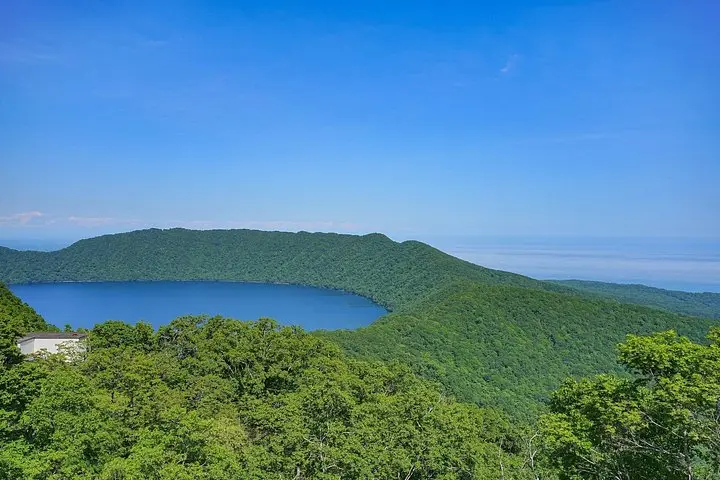
Stepping off the ropeway at Mount Shihorei, steam hisses below like a living thing and the air takes on a sharp, mineral tang. The summit opens to a bowl of dark forest and the distant, glassy rim of Lake Kuttara; below, boardwalks thread through the sulfurous folds of Jigokudani, where the earth seems to breathe.
Stepping off the ropeway at Mount Shihorei, steam hisses below like a living thing and the air takes on a sharp, mineral tang. The summit opens to a bowl of dark forest and the distant, glassy rim of Lake Kuttara; below, boardwalks thread through the sulfurous folds of Jigokudani, where the earth seems to breathe.
This short, guided circuit ties volcanic geology to human story: Jigokudani’s fumaroles and boiling ponds are direct expressions of Hokkaido’s restless underground, the same forces that feed Noboribetsu’s onsen. For centuries Ainu people have read animal behavior and landscape features as spiritual language—brown bears once honored as kimun kamuy, the mountain deity. The Bear Park and its adjacent Bear Museum frame that cultural context while offering close, safe observation of Hokkaido’s brown bears and interpretive displays on ecology and conservation.
Expect tidy boardwalks and short uphill steps rather than long hikes. The ropeway ride gives panoramic views ideal for photography; the park includes interpretive zones like Yukara no Sato that showcase Ainu crafts and stories. Practical notes: wear closed-toe shoes with grip for wet, sulfur-stained paths; dress in layers—the summit can be markedly cooler and windier than the valley; bring water and a windproof shell. Respect posted barriers at thermal vents; steam and hot water are dangerously hot. If you're traveling from Sapporo, allow 1.5–2.5 hours transit time by train and bus.
This is a compact, sensory-rich half-day that pairs geology with living culture—accessible, informative, and best enjoyed with a guide who can translate steam and story into clear, memorable meaning.