THE ADVENTURE COLLECTIVE® · Independent discovery and booking for outdoor travel

Walk the forest after dark with a certified naturalist in Manuel Antonio. This two-hour night tour focuses on nocturnal wildlife with expert optics and small groups for close, respectful encounters.
Walk the forest after dark with a certified naturalist in Manuel Antonio. This two-hour night tour focuses on nocturnal wildlife with expert optics and small groups for close, respectful encounters.
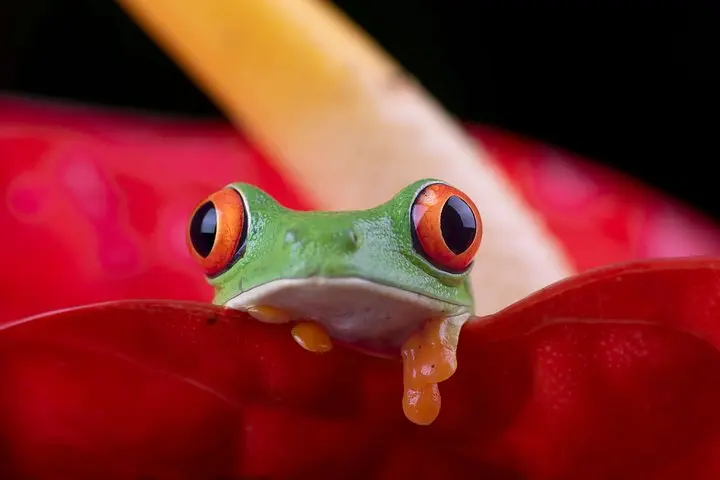
Dusk slides across the Pacific and the rainforest exhales — a chorus of insects rises, leaves whisper, and pairs of eyes begin to catch your guide’s beam. Meeting at Sukia Park, the two-hour night walk threads narrow trails that feel smaller when the forest pulls in around you; every rustle might be a sloth shifting position or a frog blinking ruby-red in the light.
Verified experiences and guided adventures in the surrounding area.
Operated by Fabio Araya · Quepos, Puntarenas
Dusk slides across the Pacific and the rainforest exhales — a chorus of insects rises, leaves whisper, and pairs of eyes begin to catch your guide’s beam. Meeting at Sukia Park, the two-hour night walk threads narrow trails that feel smaller when the forest pulls in around you; every rustle might be a sloth shifting position or a frog blinking ruby-red in the light.
Manuel Antonio sits on Costa Rica’s central Pacific coast on volcanic soils that feed dense, species-rich forest. Established as a national park in the 1970s to protect coastal rainforest and marine shorelines, the area blends Quepos’ fishing-camp history with ongoing conservation efforts. Local naturalist guides translate the forest’s language — bird calls, insect chirps, and the slow-moving drama of nocturnal mammals — and use spotting scopes and flashlights to reveal details most daytime visitors miss.
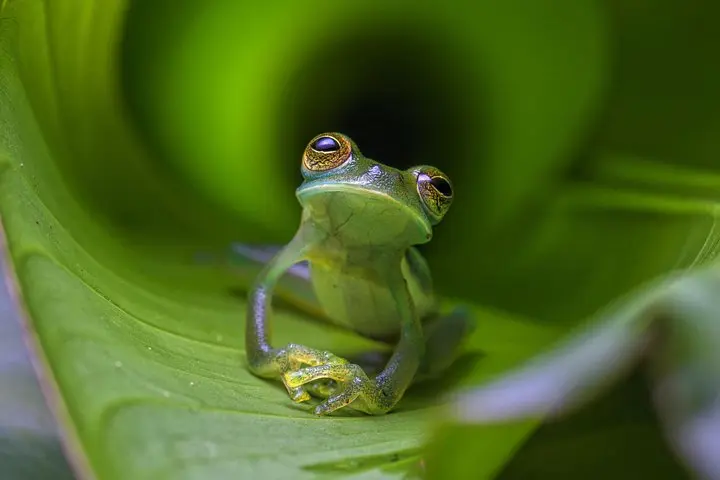
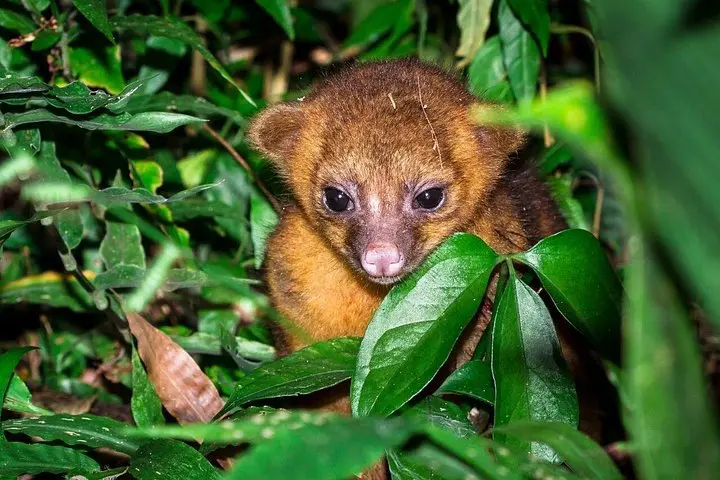
Expect biology-forward interpretation: tree frogs, owls, kinkajou, motmots, and the occasional sloth are common finds. Trails are often uneven and can be slick after rain; the guide keeps a measured pace to balance viewing time with safety. Entrance fee is included and groups are limited, offering a more intimate look at nighttime ecology.
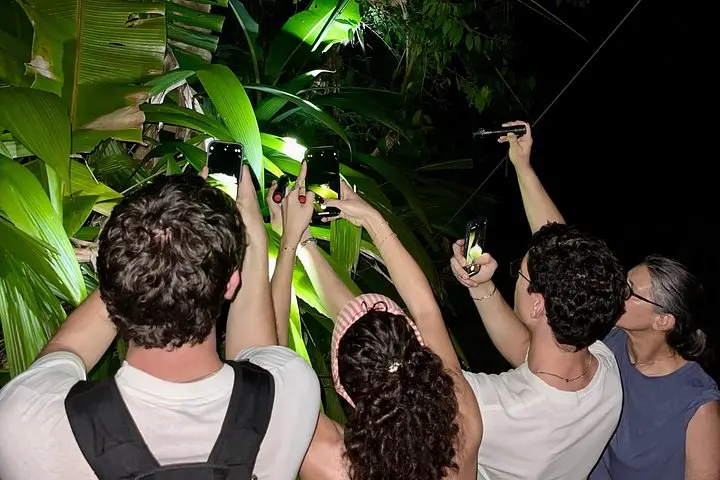
Practicality: wear closed-toe shoes with traction, bring insect repellent and a refillable water bottle, and carry a small headlamp for hands-free movement (guides provide additional lights and optics). Be prepared for humid conditions and follow the guide’s instructions on distance and photo etiquette to minimize disturbance to wildlife.
The tour is approximately two hours and meets at Sukia Park; check your booking confirmation for the exact meeting time and location.
Common sightings include tree frogs, owls, insects, nocturnal birds like motmots, kinkajous, and occasionally sloths or snakes—sightings depend on season and luck.
Children who can walk on uneven terrain and people with moderate mobility can usually participate, but note the trails are unpaved and somewhat narrow; contact the operator with special requirements.
Guides provide flashlights and a spotting scope; bringing your own headlamp and binoculars is recommended for personal use.
Fabio Araya operates guided outdoor trips and adventures with an emphasis on safety, stewardship, and memorable experiences.
Dusk slides across the Pacific and the rainforest exhales — a chorus of insects rises, leaves whisper, and pairs of eyes begin to catch your guide’s beam. Meeting at Sukia Park, the two-hour night walk threads narrow trails that feel smaller when the forest pulls in around you; every rustle might be a sloth shifting position or a frog blinking ruby-red in the light.
Dusk slides across the Pacific and the rainforest exhales — a chorus of insects rises, leaves whisper, and pairs of eyes begin to catch your guide’s beam. Meeting at Sukia Park, the two-hour night walk threads narrow trails that feel smaller when the forest pulls in around you; every rustle might be a sloth shifting position or a frog blinking ruby-red in the light.
Manuel Antonio sits on Costa Rica’s central Pacific coast on volcanic soils that feed dense, species-rich forest. Established as a national park in the 1970s to protect coastal rainforest and marine shorelines, the area blends Quepos’ fishing-camp history with ongoing conservation efforts. Local naturalist guides translate the forest’s language — bird calls, insect chirps, and the slow-moving drama of nocturnal mammals — and use spotting scopes and flashlights to reveal details most daytime visitors miss.
Expect biology-forward interpretation: tree frogs, owls, kinkajou, motmots, and the occasional sloth are common finds. Trails are often uneven and can be slick after rain; the guide keeps a measured pace to balance viewing time with safety. Entrance fee is included and groups are limited, offering a more intimate look at nighttime ecology.
Practicality: wear closed-toe shoes with traction, bring insect repellent and a refillable water bottle, and carry a small headlamp for hands-free movement (guides provide additional lights and optics). Be prepared for humid conditions and follow the guide’s instructions on distance and photo etiquette to minimize disturbance to wildlife.