THE ADVENTURE COLLECTIVE® · Independent discovery and booking for outdoor travel

Join an initiated High Priestess for a 105-minute walking tour that separates myth from practice and brings Louisiana Vodou into context. Move through historic sites—Congo Square, the Egun tree, and Marie Laveau’s home—while learning rituals, lineage, and the truth behind popular myths.
Join an initiated High Priestess for a 105-minute walking tour that separates myth from practice and brings Louisiana Vodou into context. Move through historic sites—Congo Square, the Egun tree, and Marie Laveau’s home—while learning rituals, lineage, and the truth behind popular myths.
You step beneath the brick archway at Armstrong Park and feel the city tilt—humid air thick with the scent of magnolia and old wood, streetcars clacking in the distance. A High Priestess in plain clothes greets the group, and the ordinary streets of the French Quarter resolve into a map of memory, migration, and ritual. On this tour, New Orleans stops being just a postcard and becomes a living, complicated story you move through on foot.
Verified experiences and guided adventures in the surrounding area.
Operated by Anansi's Daughters · New Orleans, Louisiana
You step beneath the brick archway at Armstrong Park and feel the city tilt—humid air thick with the scent of magnolia and old wood, streetcars clacking in the distance. A High Priestess in plain clothes greets the group, and the ordinary streets of the French Quarter resolve into a map of memory, migration, and ritual. On this tour, New Orleans stops being just a postcard and becomes a living, complicated story you move through on foot.
The route traces lines older than the city grid: the places enslaved West Africans gathered, the yards where folk practices persisted, and the house where Marie Laveau lived and earned her reputation. Vodou in Louisiana is not the stage-magic caricature Hollywood sells. It’s a syncretic faith forged by forced migration—West African traditions braided with the Gullah-Geechee cultural threads and Catholic iconography brought by colonists. The High Priestess explains lineage with specificity: rites, initiations, and the role of ancestors, while pointing to the Egun tree and explaining the small offerings that anchor spirits to places.
Geology and geography matter here. The low, flat delta keeps memories close to the surface; cemeteries, courtyards, and ritual trees are all within earshot of the Mississippi’s push. Architecture—shotgun houses, iron-laced balconies, Creole cottages—frames each story, a visible record of economic and cultural exchange.
The tour is as much anthropology as it is eyewitness history. Expect candor about appropriation and misrepresentation, and practical demonstrations that demystify common symbols—dolls, veves, and offerings—so you can tell myth from practice. The guide invites questions but also models respect: no touching of active shrines, discreet photography, and how to leave an offering without disturbing ongoing rites.
Practical notes: the walk runs about 105 minutes and moves at an easy pace over paved streets with brief stops that can gather the group close together. Armstrong Park is the meeting point; the tour covers several short blocks including the Marie Laveau site and Congo Square. This experience is wheelchair accessible and suitable for a wide range of ages and fitness levels, but expect New Orleans heat and humidity in summer, and occasional uneven sidewalks.
Bring lightweight rain protection and a refillable water bottle, and schedule the tour in the morning or early evening to avoid the full glare of midday. Tipping the guide is customary for the depth of knowledge and personal initiation they share. If you want an authentic window into the spiritual life that shaped New Orleans culture, a walk guided by an initiated High Priestess makes the city feel less like a backdrop and more like an active participant in the story.
The tour runs approximately 105 minutes and covers several short blocks in the French Quarter and Tremé.
Yes—infants and small children can join; content covers history and religion in an age-appropriate way, but discretion is advised for sensitive topics.
Photography of public sites is usually fine, but always ask the guide before photographing active shrines or individuals participating in rites.
Yes—the operator lists the experience as wheelchair accessible, though some sidewalks in the area can be uneven; notify at booking if you need special assistance.
Lightweight, breathable clothing and comfortable shoes are recommended; bring a rain layer in spring and summer and a light jacket in winter evenings.
Full refund is available if canceled at least 24 hours before the tour; check your booking confirmation for exact terms.
Anansi's Daughters operates guided outdoor trips and adventures with an emphasis on safety, stewardship, and memorable experiences.


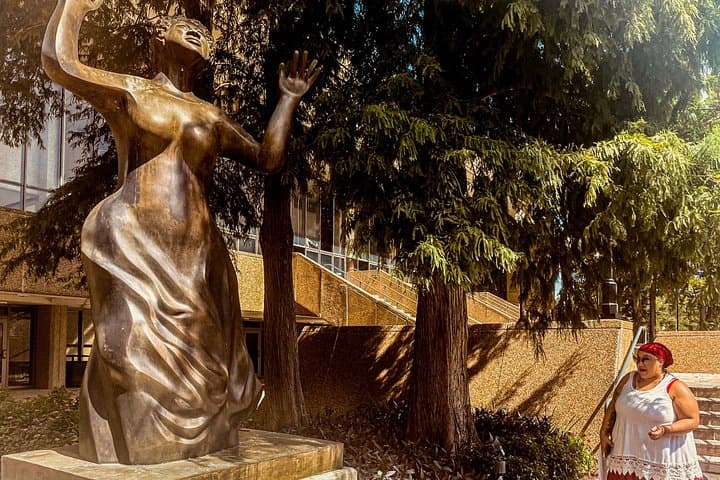
You step beneath the brick archway at Armstrong Park and feel the city tilt—humid air thick with the scent of magnolia and old wood, streetcars clacking in the distance. A High Priestess in plain clothes greets the group, and the ordinary streets of the French Quarter resolve into a map of memory, migration, and ritual. On this tour, New Orleans stops being just a postcard and becomes a living, complicated story you move through on foot.
You step beneath the brick archway at Armstrong Park and feel the city tilt—humid air thick with the scent of magnolia and old wood, streetcars clacking in the distance. A High Priestess in plain clothes greets the group, and the ordinary streets of the French Quarter resolve into a map of memory, migration, and ritual. On this tour, New Orleans stops being just a postcard and becomes a living, complicated story you move through on foot.
The route traces lines older than the city grid: the places enslaved West Africans gathered, the yards where folk practices persisted, and the house where Marie Laveau lived and earned her reputation. Vodou in Louisiana is not the stage-magic caricature Hollywood sells. It’s a syncretic faith forged by forced migration—West African traditions braided with the Gullah-Geechee cultural threads and Catholic iconography brought by colonists. The High Priestess explains lineage with specificity: rites, initiations, and the role of ancestors, while pointing to the Egun tree and explaining the small offerings that anchor spirits to places.
Geology and geography matter here. The low, flat delta keeps memories close to the surface; cemeteries, courtyards, and ritual trees are all within earshot of the Mississippi’s push. Architecture—shotgun houses, iron-laced balconies, Creole cottages—frames each story, a visible record of economic and cultural exchange.
The tour is as much anthropology as it is eyewitness history. Expect candor about appropriation and misrepresentation, and practical demonstrations that demystify common symbols—dolls, veves, and offerings—so you can tell myth from practice. The guide invites questions but also models respect: no touching of active shrines, discreet photography, and how to leave an offering without disturbing ongoing rites.
Practical notes: the walk runs about 105 minutes and moves at an easy pace over paved streets with brief stops that can gather the group close together. Armstrong Park is the meeting point; the tour covers several short blocks including the Marie Laveau site and Congo Square. This experience is wheelchair accessible and suitable for a wide range of ages and fitness levels, but expect New Orleans heat and humidity in summer, and occasional uneven sidewalks.
Bring lightweight rain protection and a refillable water bottle, and schedule the tour in the morning or early evening to avoid the full glare of midday. Tipping the guide is customary for the depth of knowledge and personal initiation they share. If you want an authentic window into the spiritual life that shaped New Orleans culture, a walk guided by an initiated High Priestess makes the city feel less like a backdrop and more like an active participant in the story.