THE ADVENTURE COLLECTIVE® · Independent discovery and booking for outdoor travel

Traverse Mongolia from Ulaanbaatar to the Gobi on an 18-day overland loop that links Lake Hovsgol, volcanic craters, nomadic ger camps and the fossil-rich Flaming Cliffs. Expect long drives, light hikes, camel and horse options, and rich encounters with steppe culture.
Traverse Mongolia from Ulaanbaatar to the Gobi on an 18-day overland loop that links Lake Hovsgol, volcanic craters, nomadic ger camps and the fossil-rich Flaming Cliffs. Expect long drives, light hikes, camel and horse options, and rich encounters with steppe culture.
You step off the plane into a thin, cold air that already smells faintly of wood smoke and dry grass. In Ulaanbaatar the modern city rubs shoulders with monasteries and ger camps; within days you trade pavement for hard-packed tracks that thread pine forests, volcanic craters and the endless ochre of the Gobi.
Verified experiences and guided adventures in the surrounding area.
Operated by Zendmen Travel Mongolia · Ulaanbaatar, Ulaanbaatar
You step off the plane into a thin, cold air that already smells faintly of wood smoke and dry grass. In Ulaanbaatar the modern city rubs shoulders with monasteries and ger camps; within days you trade pavement for hard-packed tracks that thread pine forests, volcanic craters and the endless ochre of the Gobi.
This itinerary stitches together Mongolia’s geological and cultural highlights: the glacier-fed blue of Lake Hovsgol, the basalt crater of Horgo and the lava-blocked Terhiin Tsagaan, the wind-sculpted Singing Sand Dunes and the fossil-rich Flaming Cliffs. Orkhon Valley’s archaeological mounds and Erdenezuu Monastery recall the steppe’s imperial past while nomadic families and ger camps keep living traditions visible and immediate.
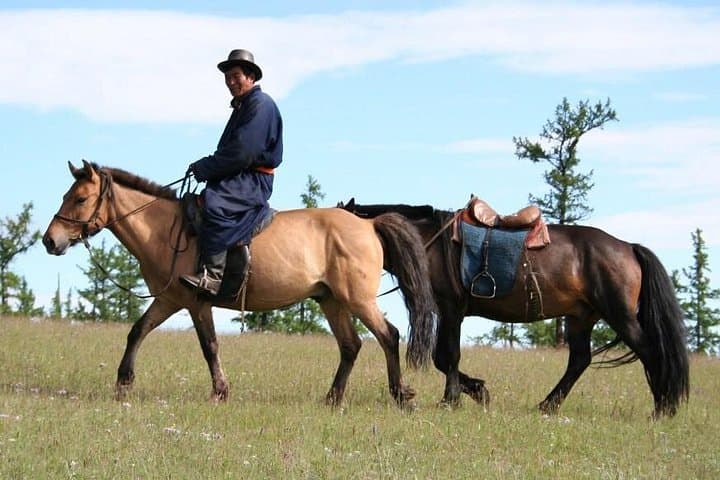
Expect varied terrain and steady travel days — long drives across steppe, short hikes to viewpoints, optional horse or camel rides and relaxed days for boat trips or hot-spring dips. Vehicles are often off-road-capable; accommodations alternate between simple ger camps and provincial hotels.
Practical edge: pack layered clothing for hot, dusty days and cold nights, bring a reliable water bottle and sun protection, and prepare for stretches without ATM access. Physical demands are moderate — you don’t need technical climbing skills, but stamina for multi-hour drives and light hikes is necessary. Respect local customs at monasteries and private herding families, and carry small denominations of tugrik for markets and tips.
By the end you’ll have traversed volcanic basins, fossil beds and ice-lined valleys — an overland loop that pulls natural history and living culture into one long, quiet landscape.
The tour is rated moderate: long driving days and light to moderate hikes are common; no technical skills required but basic stamina helps.
Camel and horse rides are optional activities in the Gobi and at certain sites; availability may vary by day and weather.
Accommodations alternate between centrally located hotels in Ulaanbaatar and carefully selected ger camps with simple facilities; some nights are basic rural stays.
No special permits are required for the standard itinerary; check routine travel vaccinations and consult your health provider for recommended shots before travel.
Zendmen Travel Mongolia operates guided outdoor trips and adventures with an emphasis on safety, stewardship, and memorable experiences.



You step off the plane into a thin, cold air that already smells faintly of wood smoke and dry grass. In Ulaanbaatar the modern city rubs shoulders with monasteries and ger camps; within days you trade pavement for hard-packed tracks that thread pine forests, volcanic craters and the endless ochre of the Gobi.
You step off the plane into a thin, cold air that already smells faintly of wood smoke and dry grass. In Ulaanbaatar the modern city rubs shoulders with monasteries and ger camps; within days you trade pavement for hard-packed tracks that thread pine forests, volcanic craters and the endless ochre of the Gobi.
This itinerary stitches together Mongolia’s geological and cultural highlights: the glacier-fed blue of Lake Hovsgol, the basalt crater of Horgo and the lava-blocked Terhiin Tsagaan, the wind-sculpted Singing Sand Dunes and the fossil-rich Flaming Cliffs. Orkhon Valley’s archaeological mounds and Erdenezuu Monastery recall the steppe’s imperial past while nomadic families and ger camps keep living traditions visible and immediate.
Expect varied terrain and steady travel days — long drives across steppe, short hikes to viewpoints, optional horse or camel rides and relaxed days for boat trips or hot-spring dips. Vehicles are often off-road-capable; accommodations alternate between simple ger camps and provincial hotels.
Practical edge: pack layered clothing for hot, dusty days and cold nights, bring a reliable water bottle and sun protection, and prepare for stretches without ATM access. Physical demands are moderate — you don’t need technical climbing skills, but stamina for multi-hour drives and light hikes is necessary. Respect local customs at monasteries and private herding families, and carry small denominations of tugrik for markets and tips.
By the end you’ll have traversed volcanic basins, fossil beds and ice-lined valleys — an overland loop that pulls natural history and living culture into one long, quiet landscape.